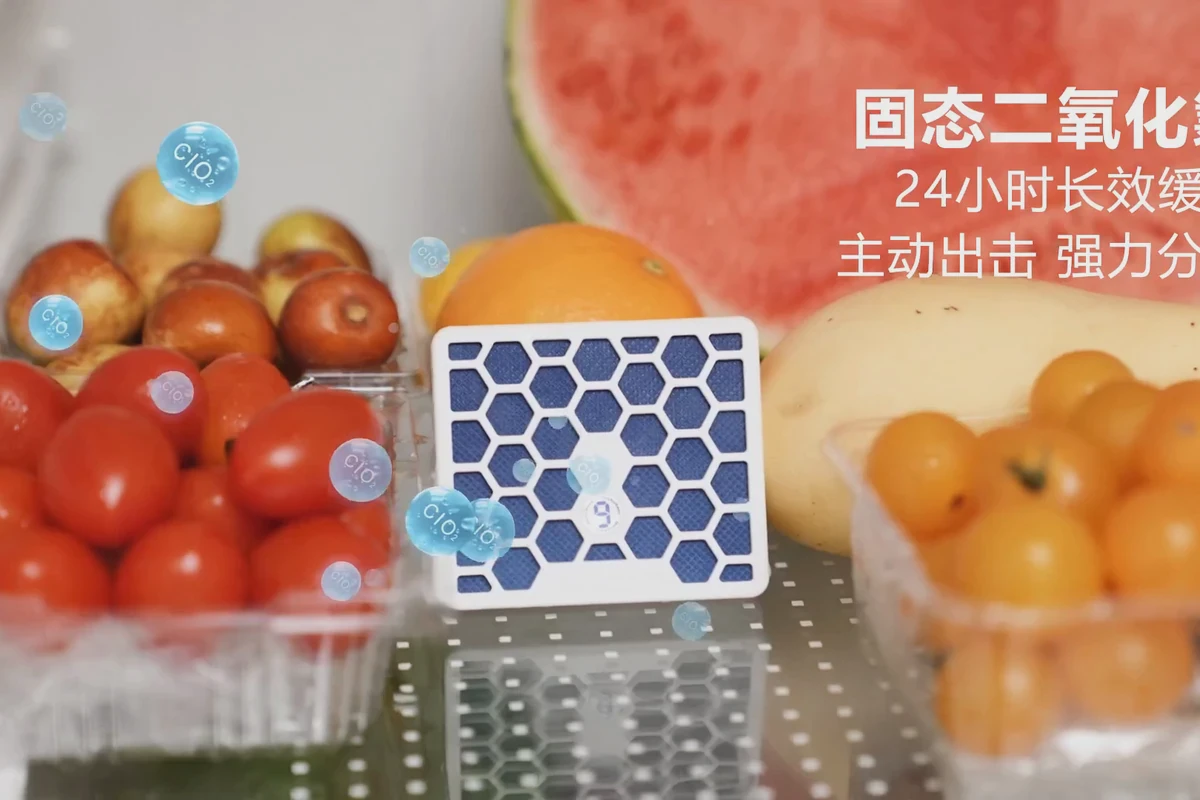
For Amazon refrigerator deodorizer videos, the first 10 seconds should show buyers where the product goes, how to start using it, and which storage problem it addresses. Begin with the product’s size at unboxing, its position in the refrigerator, the storage layout, and any before-and-after evidence that has been checked for use in the campaign. Leading with unsupported words such as ‘antibacterial’ or ‘long-lasting’ leaves those practical questions unanswered. Clear demonstrations give viewers a reason to continue to the product page and consider adding the item to their cart.
Start With a Real Refrigerator Storage Problem
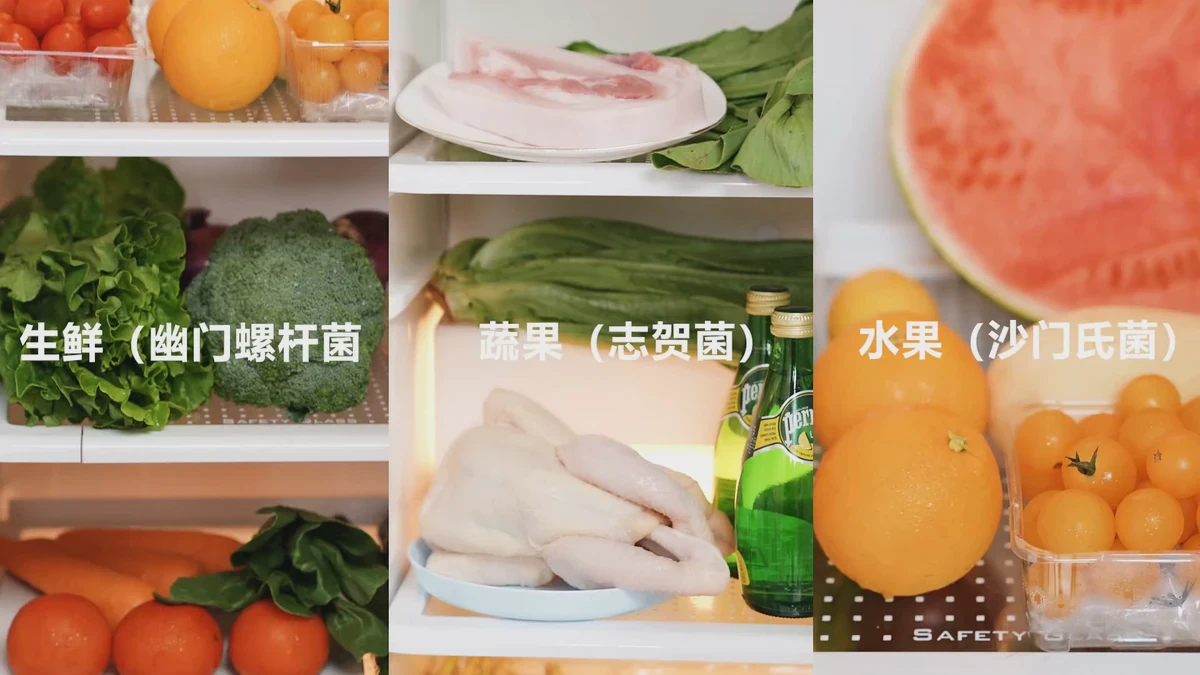
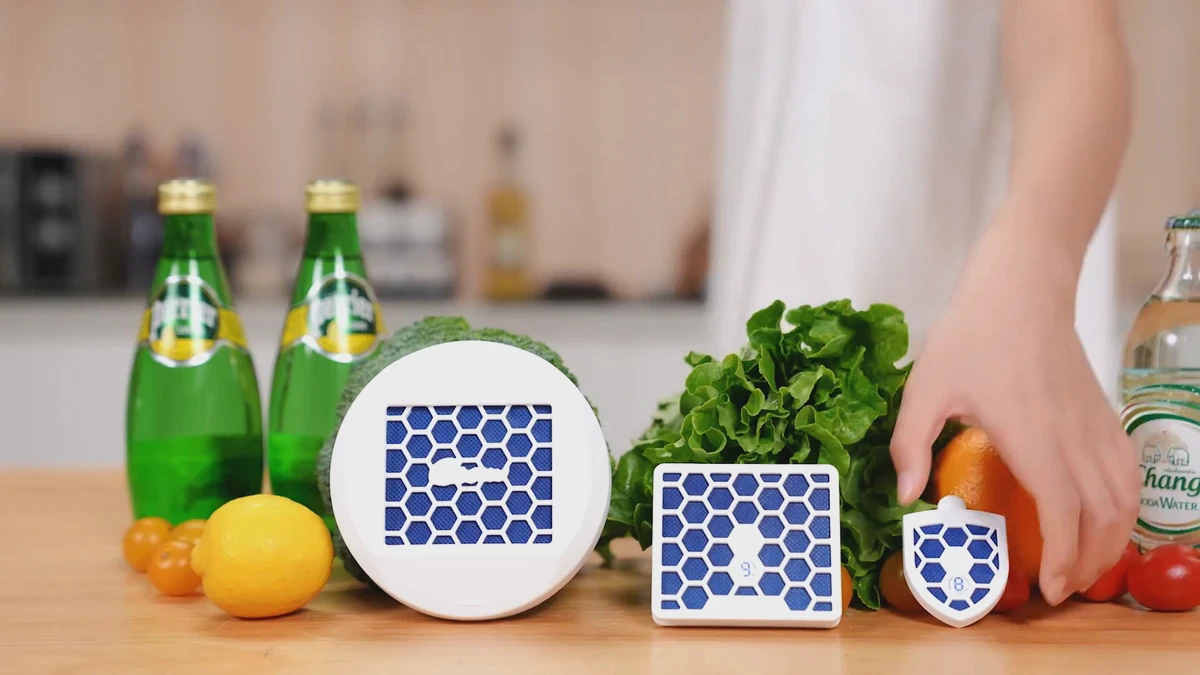
Kitchen storage products may be a modest purchase, but shoppers make quick judgments: will this take up space, obstruct food, need frequent replacement, or address the source of the odor? Amazon buyers often make their first selection while scrolling through a product page. A shelf crowded with food, hesitation at the open door, or a product held in a hand for scale can establish the hook without a large set. Keep the product, its placement, and the real user clearly related in the main visual so buyers can recognize its purpose.
Sequence the Product-Page Film as Problem, Action and Result
When filming small appliances and storage products, ONCE VISUAL translates selling points into actions that the camera can show. Use 2–3 seconds to establish the refrigerator setting, then film unboxing, removing the wrapping, placement, and the product’s relationship with drawers or compartments. Return to everyday use with an organized storage scene. Show both hands clearly when an action requires them. Close-ups explain the material, opening and closing mechanism, or replacement steps; medium shots explain capacity and position. The resulting main film can serve the Amazon product page, while individual actions become short advertising cuts.
Support Before-and-After Comparisons With Evidence
Deodorizing, freshness, and antibacterial claims need care. Video can show clutter before tidying, an organized refrigerator after placement, replacement reminders, and family meal preparation. Those scenes do not establish antibacterial or deodorizing effectiveness, and unsupported visual effects cannot supply that proof. When the brand has relevant test data, keep its conditions, applicable scope, and time period with the claim in the text module or subtitle safe area. Otherwise, focus on visible operating steps and product design. Clear, restrained information can help buyers decide whether to keep watching.
Plan the Storyboard for Each Placement
A 30–45-second main film can support several uses. Mark the unboxing, size, and operating shots needed for the horizontal product-page film; the first-second action hook for vertical cutdowns in suitable placements; and replacement intervals, storage details, and the CTA for retargeting. Capture wide, medium, and close views of the same action, leaving clear space for English subtitles so later cropping does not cut off the product. Check the requirements of the specific Amazon format when preparing delivery; Amazon Ads’ video-ad guide is a starting reference. When an independent store supports the same campaign, consult Shopify’s product media guidance to plan its media positions.
Turn One Kitchen Shoot Into Reusable Assets
The refrigerator space, food preparation, product close-ups, and changes in storage layout can serve search ads, detail pages, A+ pages, brand social media, and email follow-ups. Assign each shot a task before filming: explaining dimensions, addressing first-use concerns, or carrying the CTA during a promotion. The team then has assets that work together at different campaign stages, instead of relying on one finished film for repeated delivery.
Use the Landing Page and CTA to Guide the Next Step
The ending does not need a stack of promotional messages. For new buyers, a CTA can lead to dimensions and suitable placement. For people who have watched the main film, it can lead to bundles, refills, or instructions. Keep the product-page opening title, image sequence, and video message consistent so visitors do not have to work out the product’s purpose again after clicking the ad. To define service boundaries, delivery versions, and reshoot risks, see our cross-border e-commerce video production service breakdown or the content-asset planning approaches in ONCE VISUAL’s solutions.
Make the Kitchen Product Understandable and Memorable
A refrigerator deodorizer video works by giving each purchase question an appropriate shot: show the problem, demonstrate the action, explain the product, and make the next step clear. Kitchen storage brands using Amazon, Shopify, or overseas social media can put selling points, substantiation boundaries, shot rhythm, and the version matrix into the brief before filming. This gives production and later campaigns more room to work. If you are preparing a product video for both product pages and a campaign, discuss the product and target market with ONCE VISUAL.