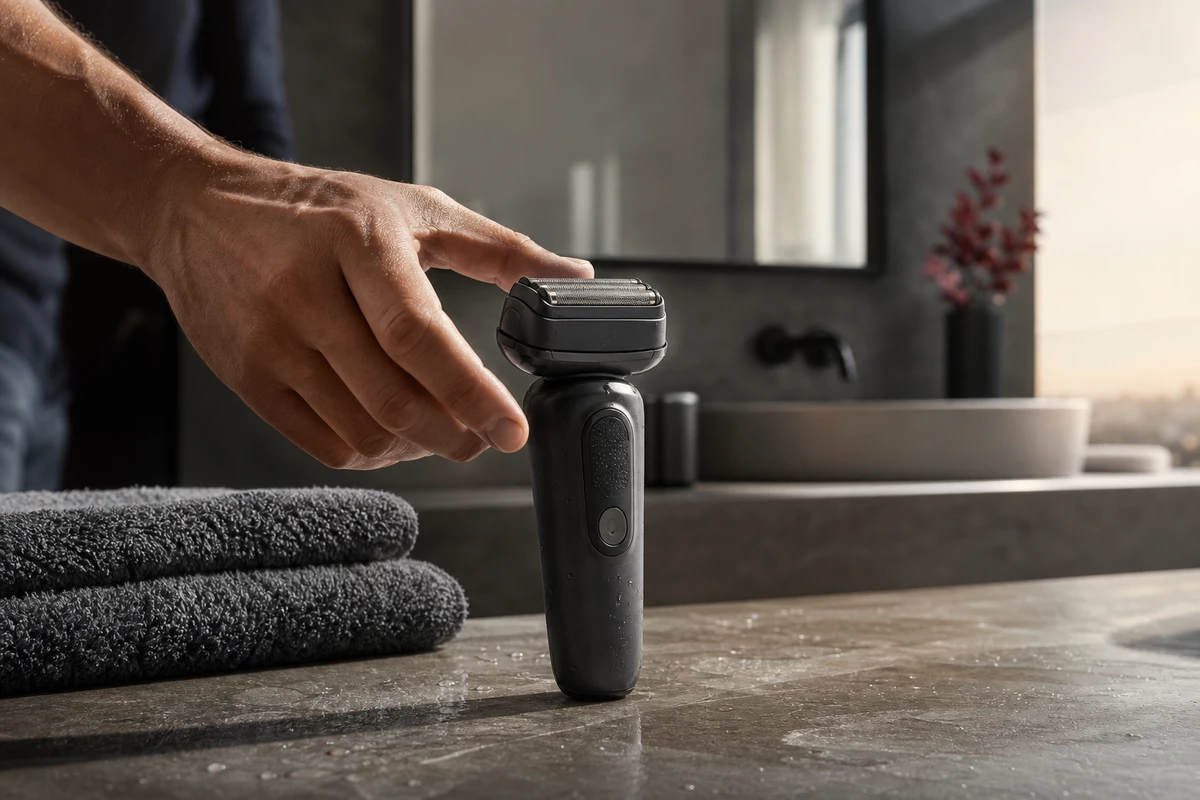
TikTok Shop video does not end when a product card is attached after filming. In the first few seconds, viewers must understand what the product is, why it matters to them, and what clicking the card will help them confirm. The media team can keep testing the same asset pool with GMV Max. Build interchangeable material from unboxing, proof, and action shots instead of repeatedly changing the background music (BGM) on one brand film.
Plan the Video Around the Product Card’s Next Step
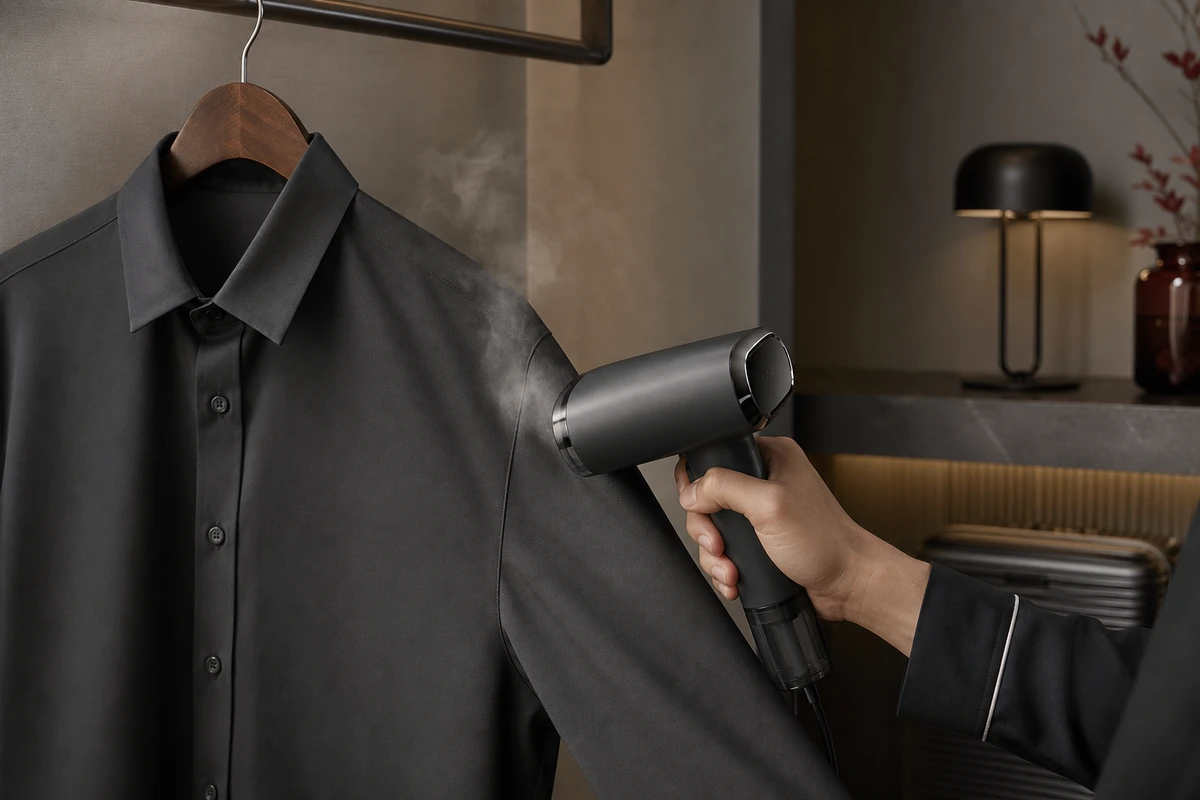
Clicking a product card takes viewers to product information and purchase options. Give each shot a role in that decision: unboxing introduces the product, an evidence shot answers a specific question, and an action places it in everyday use. For a portable garment steamer, open with a wrinkled shirt and a suitcase, show real steaming, then finish with the device packed away and the user ready to leave. Each shot should support the purchase journey; the platform UI alone is not a creative idea.
Put the Product in the Opening Hook
A fast TikTok pace does not require exaggerated acting. Within the first second, a useful visual hook can show the product, what it will be used on, and the problem: wrinkled clothing, little time, and the device at hand. An expressive performance that still has not shown the product by the sixth second leaves its card without context. Capture two alternatives: the problem and product together, and the result first. Let the media buyer compare the evidence from delivery instead of choosing only by personal preference in a meeting.
Capture at Least Three Ways to Demonstrate the Product
The first structure is problem — action — result for cold starts: wrinkle, steaming, smooth fabric. The second is detail — scene — result for users focused on material, size, or storage: water tank, handheld use, and placement in a travel bag. The third is user perspective — product close-up — action for retargeting: people who already know the product need to confirm that it is easy to use. The three structures share art direction, actors, and scenes, but each can stand alone as a 9:16 cutdown. That is a version matrix, rather than three arbitrary cuts from one 30-second master.
Use GMV Max Results to Learn About the Creative
TikTok’s current Shop Ads guidance identifies GMV Max as the default and only supported campaign type when TikTok Shop is the sales destination. Video Shopping Ads describe the shoppable video format, while older setup instructions remain on some help pages. Verify availability for the market and account when planning delivery. Production should supply distinct hooks, use cases, evidence shots, and CTA endings. The platform optimizes delivery, while clear asset labels help the team decide what to develop in the next shoot.
Write Ad Requirements Into the Shot List
Before filming, note what viewers need to see before opening the product card, whether hands obscure the product, where the safe zone is, whether the action works without sound, and which hero frames can stand alone. Light the black body, steam, and dark fabric so they remain distinct on a phone screen; every frame need not become a key visual (KV). ONCE VISUAL groups the shoot into product evidence, lifestyle, spoken reactions to camera, and environmental cutaways. The producer can then manage coverage against a clear list, giving the editor useful B-roll as well as atmosphere.
Choose Product and Video Variations That Support Testing
The linked Video Shopping Ads creation guide retains older instructions for multiple videos per ad group and existing posts or new uploads, beneath its current GMV Max notice. Treat those instructions as legacy context and use the current GMV Max workflow for campaign setup. The production principle still holds: make each version meaningfully different. One can explain travel storage, another immediate wrinkle removal, and another easy operation. Changing subtitle color or a cover alone does not create three useful tests. Vary at least one of the big idea, product action, or user insight so results can inform the next decision.
Use the Metrics to Plan the Next Assets
Separate video viewing, product-page visits, checkout starts, and purchases when the relevant reports provide those metrics. Check the reporting surface and attribution definitions before comparing them: Shop Ads and Product GMV Max reports do not offer identical measures, and GMV Max revenue can include both paid and organic orders. If an unboxing hook earns views but few product-page visits, investigate whether it explains the value before the click. If visits are high but checkout starts are low, check the page, price, delivery information, and product evidence together. These patterns guide investigation; they do not establish the cause on their own.
Keep Native-looking Creative Clear and Accurate
Authenticity is not handheld shaking, unclear narration, or a distorted product structure. It comes from verifiable actions, natural pacing, and promises consistent with the product page. Do not trade short-term clicks for fabricated discounts, exaggerated results, or unreadable overlays, and do not let the product card feel like an intrusive end card. Put the product into the story from the first shot so viewers know what they will confirm before clicking. For cross-platform breakdowns, see ONCE VISUAL’s overseas short-form advertising asset breakdown.