A two-minute factory film can list throughput, precision and patents yet still leave a LinkedIn prospect asking the sales team for a specification sheet. The specifications matter, but buyers need to see how they relate to risk, capacity and delivery. A LinkedIn B2B equipment video should quickly show procurement, engineering and management teams the operating conditions in which the machine can reduce uncertainty for them. Making the equipment look larger or brighter will not answer that question on its own.
Choose the Buyer You Want to Address
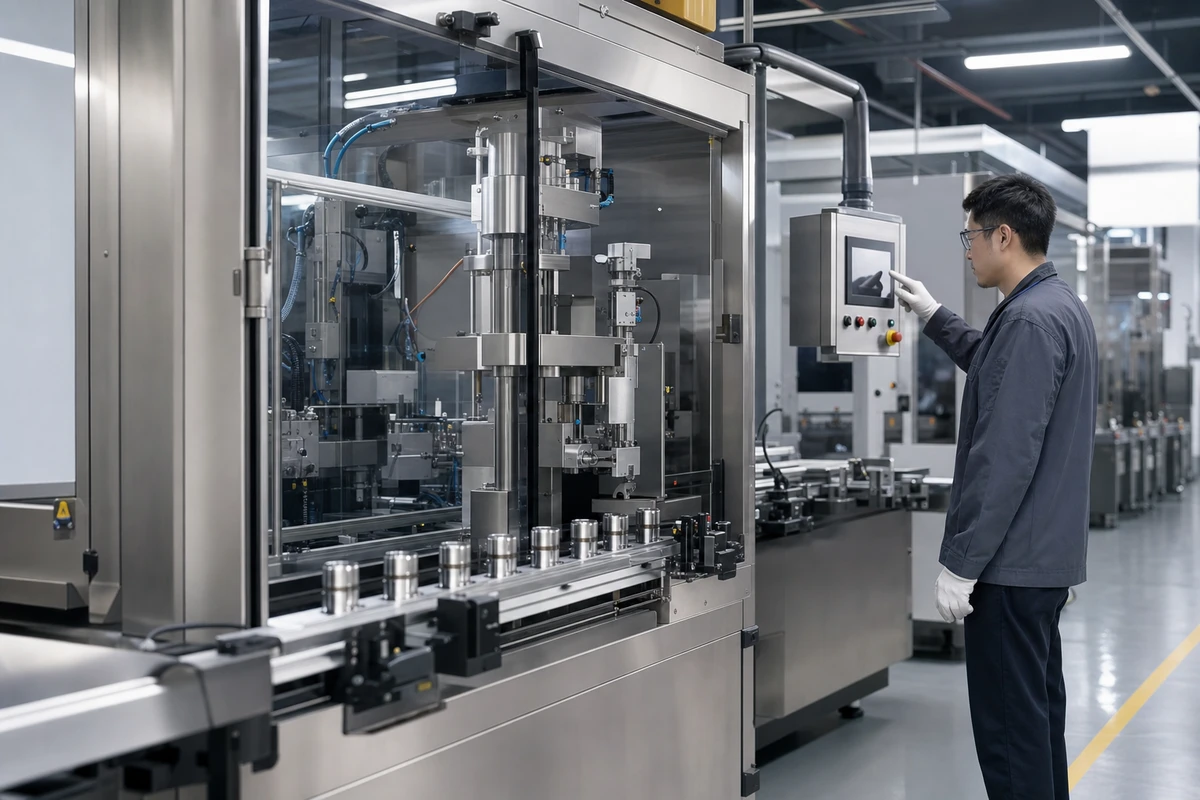
For the same automated machine, procurement may focus on total cost of ownership and delivery; engineers on precision, compatibility and maintenance; and management on capacity, risk and line stability. A brief that groups all three as “overseas customers” tends to become a company introduction. Choose one primary audience for each video and give it a clear story angle: making changeover time visible, showing what a maintenance task involves or explaining reliable delivery through a complex process. Buyers need that connection to their production problem before the list of specifications.
Turn Specifications into Observable Process Footage
Show “high precision” through a sequence of components being positioned. For “easy maintenance,” film the engineer completing an actual approved task without removing a large cover, if the equipment’s design and procedure allow it. For “stable capacity,” show continuous operation at the real production cadence. Translate specifications into outcomes buyers can understand. The shot sequence can move from a production-line overview to a key mechanism, the interface and operator interaction, the output, and a service or delivery commitment. Keep those commitments supported; unsupported 3D text effects will not persuade a technical B2B buyer.
Establish the Business Context in the First Ten Seconds
Avoid opening with ten seconds of an aerial view of the industrial park. A LinkedIn feed hook might begin, “When changeover on one process takes an entire shift,” then show the actual changeover before introducing the machine in a hero frame. Viewers can then understand why it matters. LinkedIn’s official video-ad specifications cover direct file upload, captions, aspect ratios and looping for short videos. Give the current specifications to the editor before locking the format, so export problems do not force avoidable rework at launch.
Build Three Types of Lead-Generation Video Asset
The master can build credibility through the factory, team, machine and application, while respecting the buyer’s attention. A problem-solving cutdown should explain one pain point with one piece of evidence. Industry versions can adapt terminology, operating conditions and the CTA for food, household and personal-care products, electronics or packaging. The same footage pool can then serve different account lists and campaigns. LinkedIn’s Video Ads information describes uses across the funnel; available video objectives include brand awareness, website visits, engagement, video views, lead generation and website conversions. Give each version a specific task rather than asking one film to do everything.
Offer Useful Technical Material Before the Lead Form
An industrial buyer may ignore a generic “contact us” message but share contact details in return for an equipment selection checklist, a production-line cycle-time calculation template, a case-study clip or a maintenance checklist. Let the video’s CTA offer that specific value. With the lead generation objective, LinkedIn video ads can use a native Lead Gen Form; the official lead-generation ad-set guidance explains how to attach it. Keep the fields to what sales actually needs, and record the originating story angle in the CRM so the team can decide what to film next.
Capture a Reusable Footage Pool at the Factory
Capture a full view of the machine, operation without a person in frame, an engineer operating it, key mechanisms, the output and safety details. For each action, plan at least one landscape and one portrait view, plus wide and close coverage. Reserve clean stills for KV and the website, and a subtitle-free video version that sales can pause during a demonstration. AIGC can extend exhibition-screen content, regional backgrounds or storyboard previews, but must not stand in for real operating conditions. Industrial buyers may inspect joints, conveyor direction and control panels closely; an implausible structure can undermine trust.
Use Sales Feedback to Plan the Next Version
Completion rate shows how often viewers reached the end; it does not establish progress in a sale. Connect each version with completed forms, material downloads, demo bookings and sales feedback. Which hook attracts the right industry, which machine close-up reduces repeated explanations, and which CTA encourages buyers to share their project timing? Use Google Ads’ creative guidance and Meta’s advertising-objective guidance as references when bringing the review back to creative variables and business goals. For ways to collaborate on cross-border brand videos and reusable assets, see ONCE’s solutions. The footage should become a shared evidence library for sales, marketing and delivery teams that remains useful beyond one promotional film.