Corporate film production
Turn business capability into evidence customers can trust.
Customers need a clear reason to believe in a company. ONCE films R&D, factories, teams and delivery in context, turning complex capabilities into content sales teams can explain and customers can understand.
Published work includes manufacturing and technology content for Xingcheng Graphite, Jiyang Zhiyun and Baseus.
Three jobs the content should do
More traffic or sales cannot be promised by a film alone. What the production can do is make it easier for the right people to stop, understand the product, assess what they see and decide whether to take the next step.
Help customers understand
Translate technology, processes and organisational capability into business language for an external audience.
Help sales explain
Turn common questions into factual content that can be played, paused and shared.
Support several uses
Create website, exhibition, sales, tender and recruitment versions from one reliable footage library.
Show what makes the business capable.
A process, a decision or work at a customer site can say more than a string of leadership claims. A strong corporate film is grounded in facts.
Explore the work behind the names.
These are projects already featured in ONCE’s public portfolio. Explore the creative approach, the production and the finished work, from brand films and product demonstrations to campaign content and platform versions.
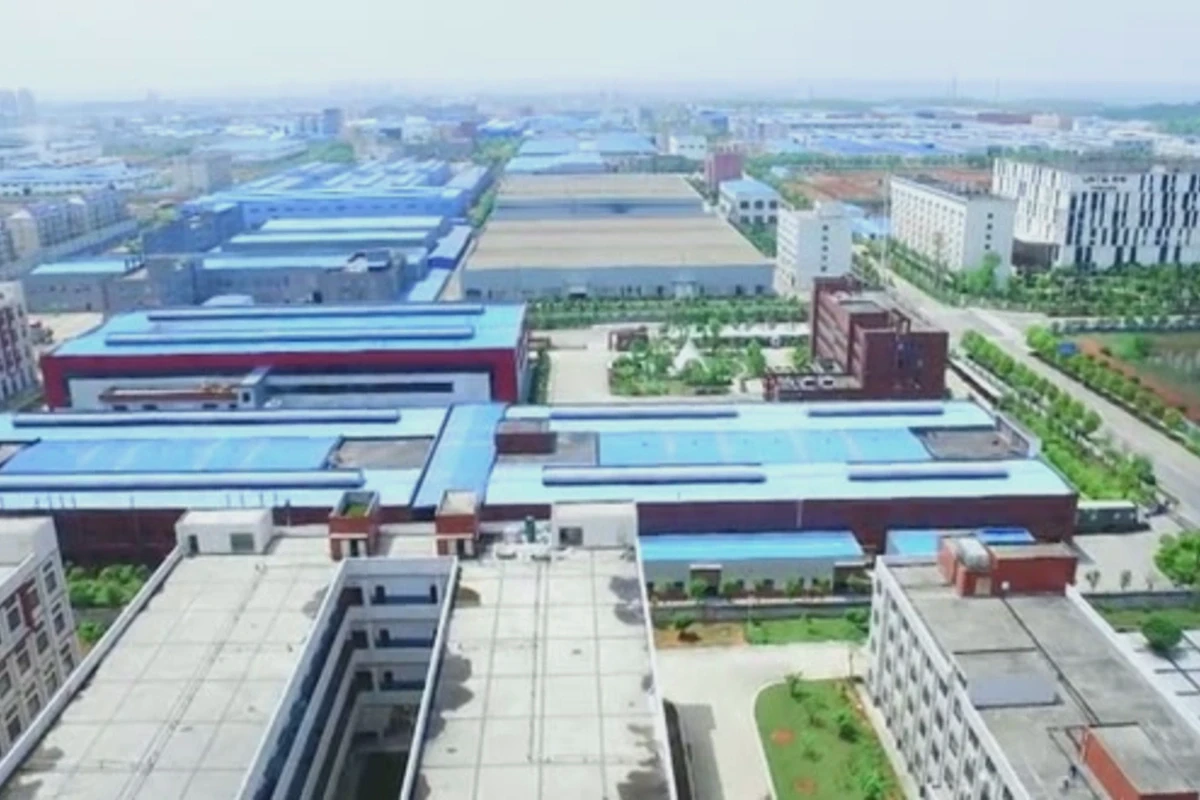
Xingcheng Graphite: R&D and Smart Manufacturing Corporate Film
Show graphite research, manufacturing processes and on-site standards as evidence of company capability.
Jiyang Zhiyun: New-Energy Equipment and Automated Manufacturing Corporate Film
Explain new-energy equipment capabilities through machinery, people and collaboration.
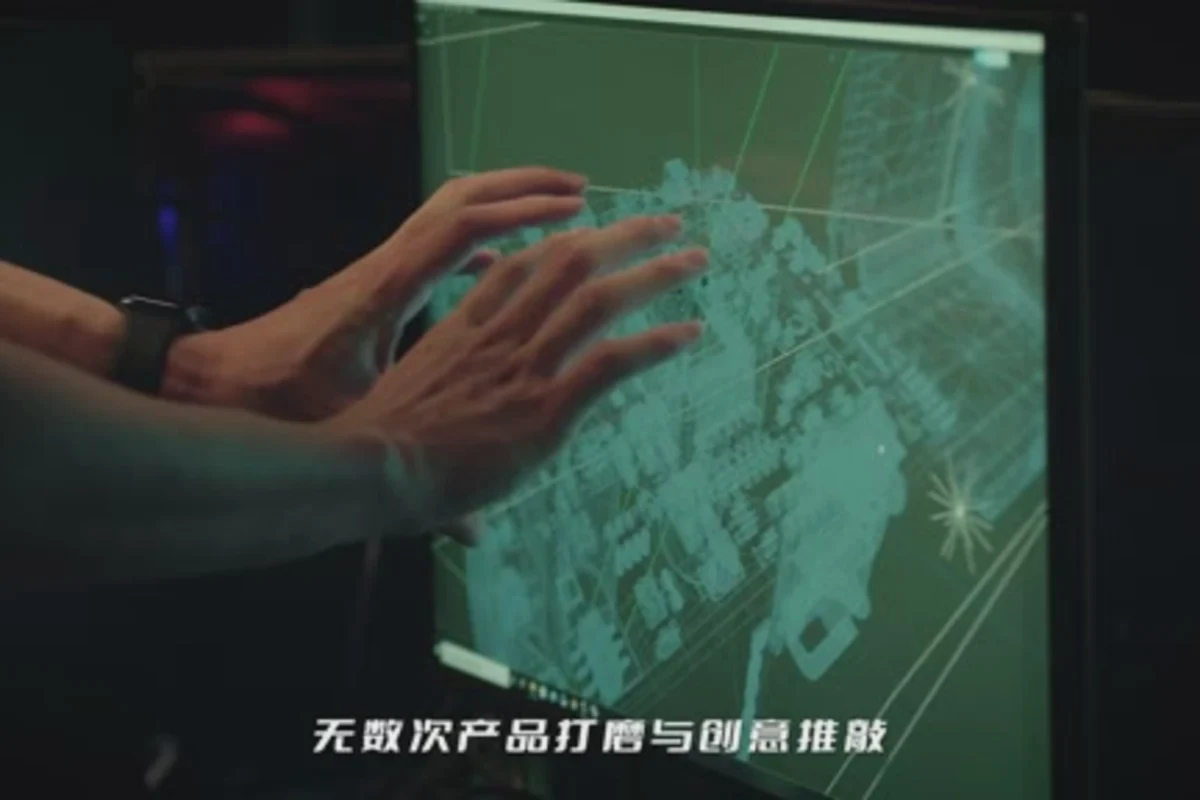
Baseus: A Brand Film with Supply-Chain Partners
Build the company’s story around real partner relationships.
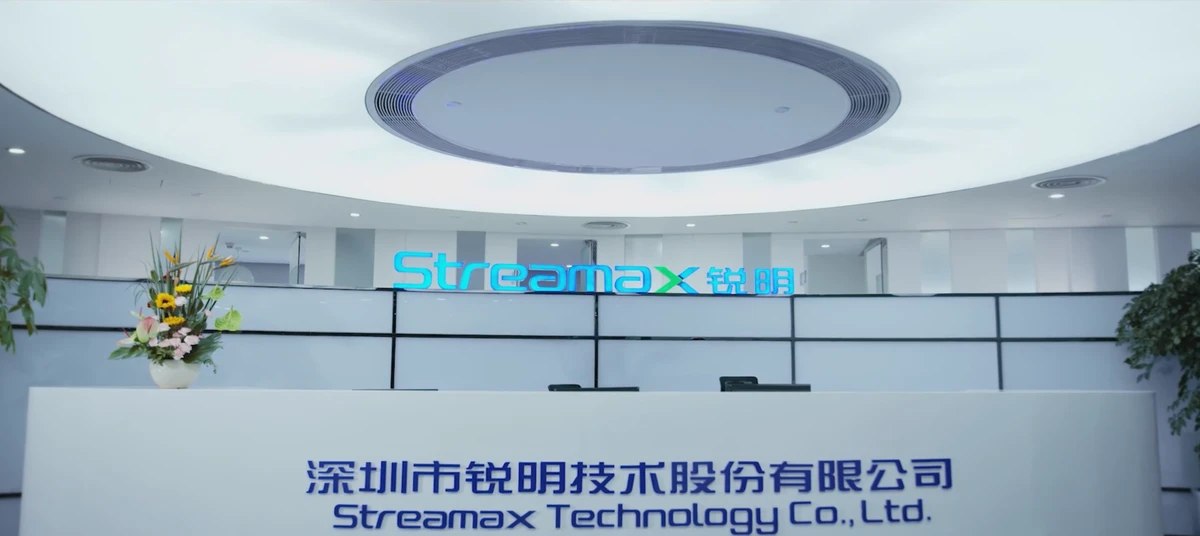
Streamax: Quality in Commercial-Vehicle Monitoring
Connect products, road use and business settings to show how monitoring supports actual operations.
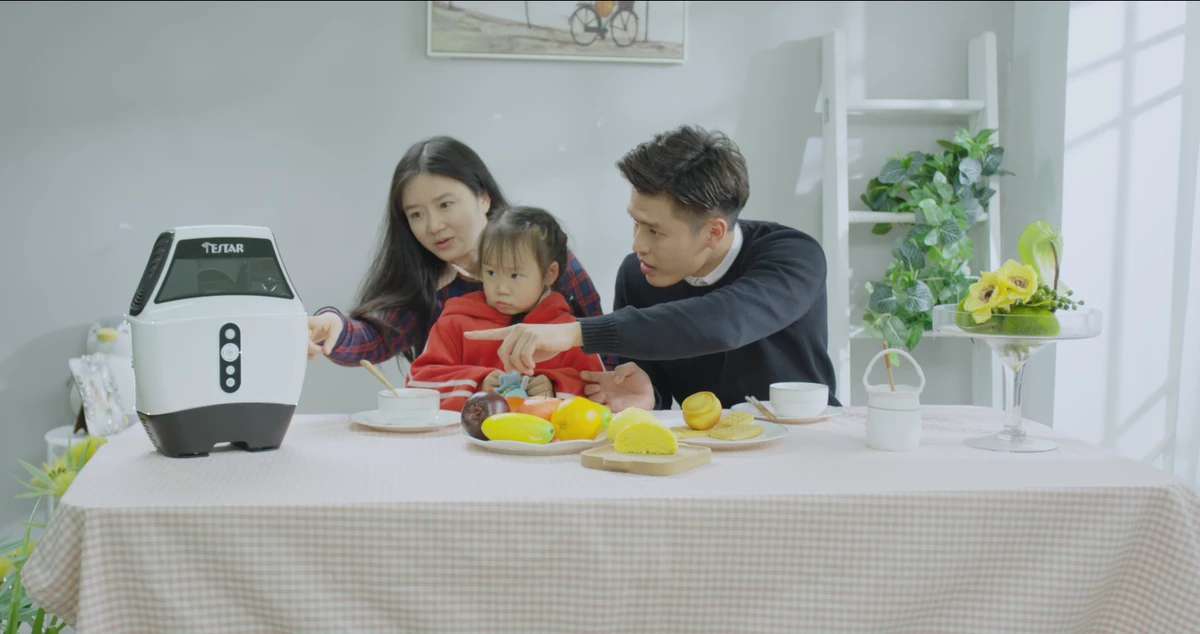
TESTAR eTouch: Laser Touch Projection System Film
Show laser touch, meeting demonstrations and product actions as business capabilities customers can assess.
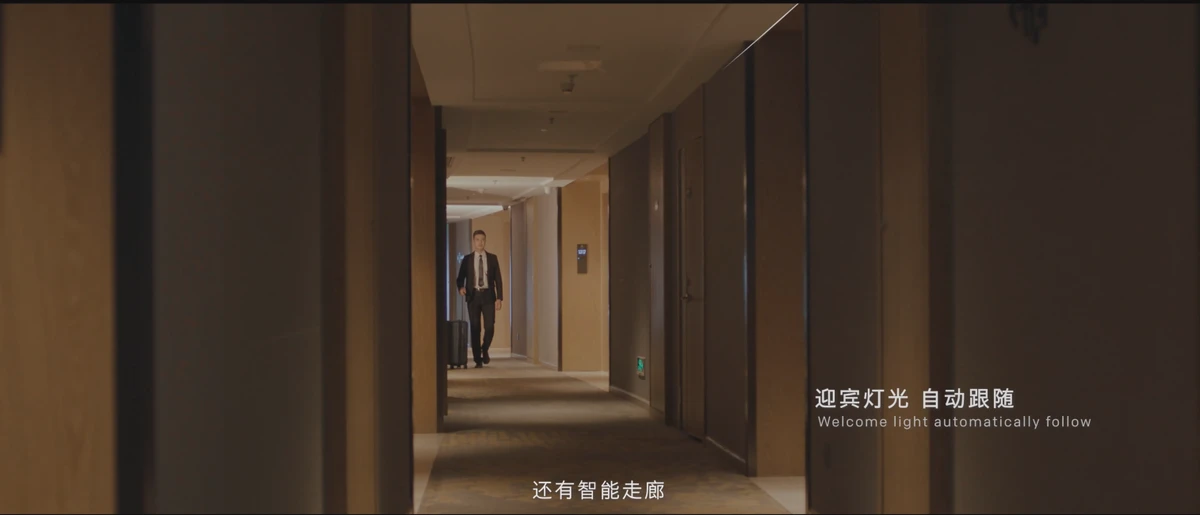
Smart Hotel Film: Connected Hospitality and Commercial Spaces
Show system capabilities through hotel spaces and service workflows to explain connected operation.
Know where your project stands.
Each stage should have a clear decision, an agreed output and someone responsible for it. When the scope changes, we discuss the effect before deciding what to do next.
- 01
Start with the business
Clarify the product, audience, launch moment and action the content should support. The format can follow; the objective should not remain vague.
- 02
Decide what is worth filming
Bring the benefits, supporting demonstrations, creative idea and channels together before choosing the shots.
- 03
Make the production visible
Confirm the script, storyboards, schedule, budget, shoot and post-production in stages. Know what the budget covers and what needs approval next.
- 04
Plan for reuse
Alongside the hero film, plan cutdowns, horizontal and vertical versions, subtitles and key images so one production can serve more real applications.
What can one production deliver?
We do not start by forcing the project into a standard package. First define who needs the content; then put the hero film, shorter versions, formats and future use into the same delivery plan.
A good fit for
- Manufacturing, technology and B2B companies
- Teams whose complex business takes time to explain
- Companies upgrading their website and sales materials
Deliverables can include
- Corporate hero film
- Leadership and team interviews
- R&D, factory and delivery-site footage
- Short versions for sales, exhibitions and recruitment
- Chinese and English captions and international versions
The final selection is agreed for the project; these items are not automatically included in every engagement.
Let’s make something worth watching.
Share the product, the audience and what you want the work to achieve. We will help turn those expectations into a practical creative and production plan.
What information should the company prepare?
Verifiable business facts, people and sites available to film, the main audience, intended uses and the final approver. ONCE can use interviews to turn this information into a filmable narrative.
Does a leader need to recite the full company profile?
No. A meaningful interview often comes from a real decision, difficulty or first-hand detail. Those experiences can explain the company more naturally.
How do you plan factory or multi-location shoots?
We build the schedule around production lines, departments, people, locations and shot requirements, then determine the days and crew needed. The finished film’s length alone does not determine the work on site.
What should we prepare for the first conversation?
Product or brand information, the intended audience, channels and launch timing, existing content and an indicative budget. Incomplete information is fine; we can begin with the most important question.
Why is duration alone not enough for a quote?
Two 30-second films may require very different talent, locations, shoot days, art direction, effects, licences and version counts. A useful quote corresponds to a defined scope, not just a number of seconds.
One central idea. More ways to use the content.
Brand, product, corporate and social content do not always need separate shoots. Start with the most important commercial task, then identify the people, sets, products and footage that can be planned together.
Let customers see the capability for themselves.
Bring company information and the questions customers ask most. ONCE will identify the facts most worth putting on screen.
Plan your corporate filmBrand and project names on this page refer to work already featured in ONCE’s public portfolio. The content is intended to support understanding, trust and the opportunity to act. Traffic and sales also depend on the product, pricing, channels, media activity and market conditions.
