TVC and commercial production
Earn attention for the brand. Give people a reason to choose.
A major commercial needs a clear business purpose. ONCE distils the communication task into a message viewers can remember, then brings it to life through the idea, direction, cinematography and sound.
Published work includes brand projects for Huawei Mall, REDMAGIC × Tencent Games and Y.TREES.
Three jobs the content should do
More traffic or sales cannot be promised by a film alone. What the production can do is make it easier for the right people to stop, understand the product, assess what they see and decide whether to take the next step.
Make the brand memorable
Focus the budget on a clear proposition, a defining action and an image that belongs to the brand.
Make the product credible
Let the product shape the characters and story from the start.
Extend the campaign
Develop the main film, cutdowns, landscape and portrait versions, and key visuals from the same campaign idea.
Make advertising that matters to the client and stays with the audience.
Craft and scale need a purpose. A valuable commercial has a distinctive brand presence and makes the product a meaningful choice at the right moment.
Explore the work behind the names.
These are projects already featured in ONCE’s public portfolio. Explore the creative approach, the production and the finished work, from brand films and product demonstrations to campaign content and platform versions.

Huawei Mall Mother’s Day TVC: Finding the Right Choice
Use the idea of choosing to connect Mother’s Day relationships, product selection and campaign recall.

REDMAGIC × Tencent Games: A Competitive Gaming TVC
Bring competitive emotion, gamer identity and the product world together.

Y.TREES “Little Red Dog”: A Story-Led TVC About Workplace Pressure
Use a story about workplace pressure to connect the brand with an authentic emotion.

M-Zone × realme: AI and Gen Z Style
Build a campaign world around Gen Z identity, technology and contemporary visual culture.

YSL: A New Expression of the City at Night
Use the city at night, the character and brand presence to create a refined, recognisable identity.
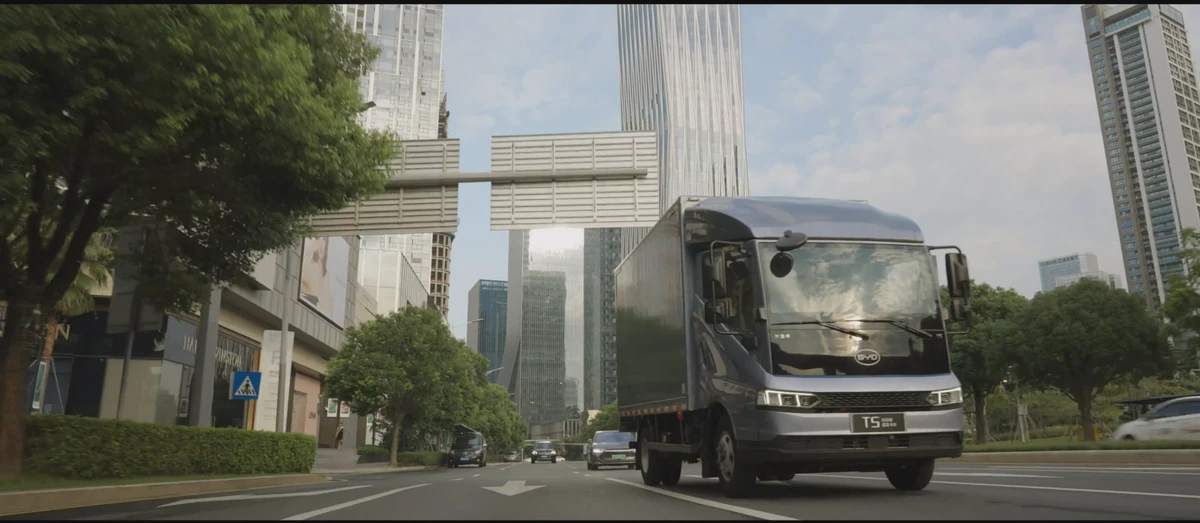
BYD T5: Technology with a Human Story
Connect technology with waiting, setting out and arriving, grounding the product’s value in human expectations.
From published work to your production brief
Turn the commercial idea into actions the camera can show
A useful commercial proposal explains why a character acts, when the product enters and how the ending returns to the brand. These two published films offer different references: an everyday action that carries a seasonal message, and a recurring visual thread that connects a character's changing state.
Huawei Mall: build the seasonal idea around a choice
Published-film referenceThe mother's choices about food and clothing establish her character before the family chooses for her through an online order and a phone gift. The kitchen, living room and dining table carry the relationships, while the interface and gift exchange move the story forward.
For your next productionStart a seasonal commercial with one everyday action related to the product. Map the character's eyeline, interface views and gift exchange into the shot plan, then review performance, usable screen materials and filming within the same home together.
View the full case: Huawei Mall: build the seasonal idea around a choiceY.TREES Little Red Dog: carry the emotional turn through a visual thread
Published-film referenceWaking, commuting and eating alone establish a repeated routine. The little red dog then appears through care, companionship and shared walks. Changes between city, forest and seaside settings, followed by the red toy and brand sign-off, connect the character's earlier and later states.
For your next productionIdentify the character viewers should follow and the action where their state changes. If the idea needs several environments, explain each location's narrative role and review transitions, costume and prop continuity, and weather alternatives when comparing production scope.
View the full case: Y.TREES Little Red Dog: carry the emotional turn through a visual threadCompare proposals for your next film
Ask each production proposal to explain the key shots: how the product enters, what performance and staging the action requires, and why each setting is needed. Match those shots to filming and finishing scope. Equal running times can still involve very different work in domestic scenes, complex transitions and technical animation.
An idea starts the journey. Judgment brings it to screen.
Each stage should have a clear decision, an agreed output and someone responsible for it. When the scope changes, we discuss the effect before deciding what to do next.
- 01
Start with the business
Clarify the product, audience, launch moment and action the content should support. The format can follow; the objective should not remain vague.
- 02
Decide what is worth filming
Bring the benefits, supporting demonstrations, creative idea and channels together before choosing the shots.
- 03
Make the production visible
Confirm the script, storyboards, schedule, budget, shoot and post-production in stages. Know what the budget covers and what needs approval next.
- 04
Plan for reuse
Alongside the hero film, plan cutdowns, horizontal and vertical versions, subtitles and key images so one production can serve more real applications.
One campaign idea across films, cutdowns and versions.
We do not start by forcing the project into a standard package. First define who needs the content; then put the hero film, shorter versions, formats and future use into the same delivery plan.
A good fit for
- Product launches and important brand moments
- Teams planning national or regional campaigns
- Brands looking for a commercial with a memorable idea and strong craft
Deliverables can include
- TVC or campaign hero film
- Creative concept and script
- Director’s treatment and storyboard
- 15-second, 30-second and vertical cutdowns
- Music, captions and media-specific versions
The final selection is agreed for the project; these items are not automatically included in every engagement.
Before the cameras roll, agree the ambition and the scope.
Share the product, the audience and what you want the work to achieve. We will help turn those expectations into a practical creative and production plan.
Should we choose a TVC, brand film or product video?
A TVC focuses on a campaign’s communication task, a brand film develops a longer-term position, and a product video explains features and reasons to buy. A single project can give each format its own role.
Can ONCE start at the creative stage?
Yes. We begin with the business goal, audience and product facts, then develop the concept, script, directing approach and production plan before filming.
How long does a commercial take to produce?
Timing depends on the idea, talent, locations, shoot days, effects and approval process. We provide a practical schedule after the brief is agreed.
What should we prepare for the first conversation?
Product or brand information, the intended audience, channels and launch timing, existing content and an indicative budget. Incomplete information is fine; we can begin with the most important question.
Why is duration alone not enough for a quote?
Two 30-second films may require very different talent, locations, shoot days, art direction, effects, licences and version counts. A useful quote corresponds to a defined scope, not just a number of seconds.
One central idea. More ways to use the content.
Brand, product, corporate and social content do not always need separate shoots. Start with the most important commercial task, then identify the people, sets, products and footage that can be planned together.
Give your next commercial something worth remembering.
Bring ONCE the brand task, product and release date. We will start by finding the moment the audience should remember.
Plan your campaign with ONCEBrand and project names on this page refer to work already featured in ONCE’s public portfolio. The content is intended to support understanding, trust and the opportunity to act. Traffic and sales also depend on the product, pricing, channels, media activity and market conditions.
