Brand film production
Find the moment that could only belong to your brand.
A beautiful brand film still needs a distinct identity. ONCE starts with something the brand will not compromise on, then builds a consistent world of people, products, settings and sound that makes the brand itself memorable.
Published brand work includes KTC, Olight and Skyworth.
Three jobs the content should do
More traffic or sales cannot be promised by a film alone. What the production can do is make it easier for the right people to stop, understand the product, assess what they see and decide whether to take the next step.
A distinct point of view
Find the message the brand wants people to remember, then build the visual world around it.
A recognisable visual identity
Let colour, materials, performance, sound and product actions work together to express the brand.
Assets for the longer term
Plan people, products, spaces, stills and platform versions alongside the main film so the work can continue supporting communication.
Give the whole film a reason to belong to your brand.
Look for a position, product action and human relationship that are distinctive enough to remain recognisable without the logo.
Explore the work behind the names.
These are projects already featured in ONCE’s public portfolio. Explore the creative approach, the production and the finished work, from brand films and product demonstrations to campaign content and platform versions.

Portable Screen: A Long-Distance Love Story for May 20
Make a declaration of love visible through the relationship, connecting the occasion with the brand.
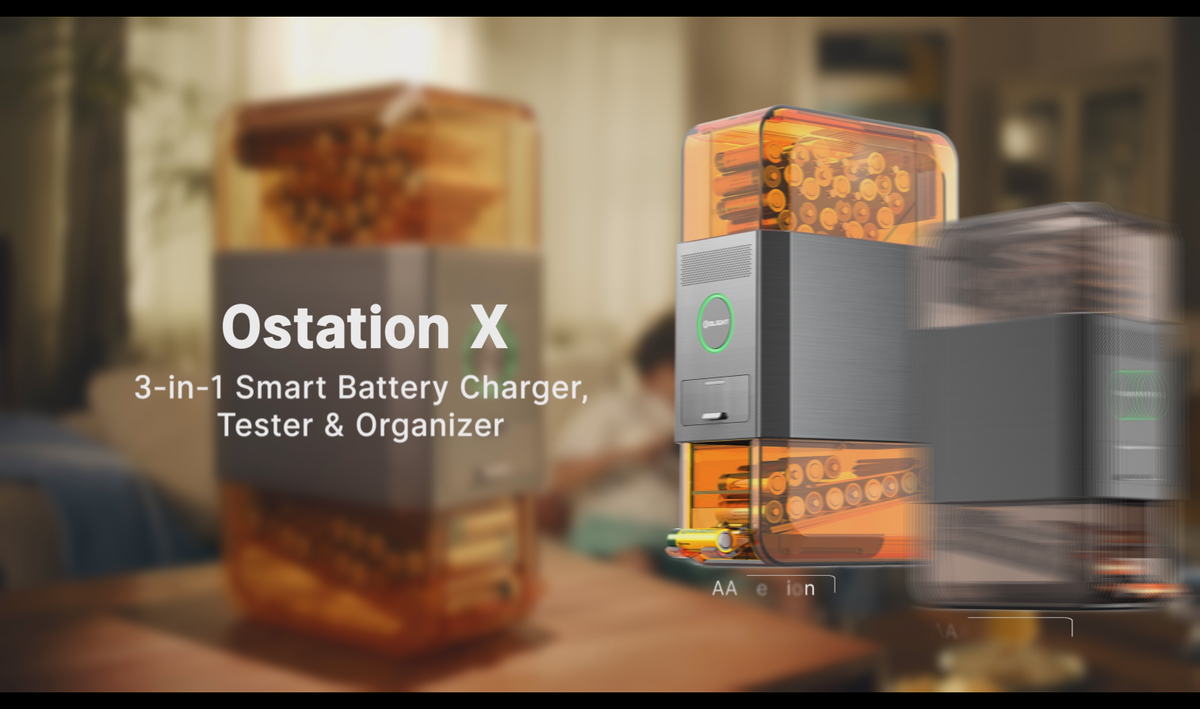
Olight Ostation X: A Human Story for Rugged Technology
Build a complete narrative between rugged technology and the warmth of home.

XR Product Film: Virtual Reality and Immersive Technology Visuals
Use shifting light and physical and virtual spaces to express a new product experience.

Huawei Skytone: Mobile Wi-Fi for Travel and Connection
Bring mobile connectivity into travel and everyday relationships.

Taobao Super Gathering Day: A Story-Led Brand TVC
Build a complete story around the platform’s campaign moment, giving the promotion a memorable emotional context.

EYESPRO: Twenty Years of Light and Human Connection
Build a sense of brand history through twenty years of light and relationships, grounded in long-term commitment.
From published work to your production brief
Give the emotion and the product clear roles in a brand film
A brand story explains why the character cares and gives the product a specific role in the action. These published films offer two approaches: a screen participating in a relationship, and product use advancing a family story. They can help define the roles of performance, product imagery and technical explanation in your next proposal.
Portable screen: frame the person and screen as one relationship
Published-film referenceA girl in a nighttime living room connects with a boy on the screen through watching, responding and dialogue. Shared compositions, expression close-ups and shot-reverse-shot coverage make the distance visible before the ending returns to the seasonal message and product name.
For your next productionWhen the product carries a conversation, plan actor eyelines, screen content and room lighting together. Test reflections and exposure before filming, then agree which screen images will be captured live and which will be composited so the product and performance work in the same frame.
View the full case: Portable screen: frame the person and screen as one relationshipOlight Ostation X: let product actions advance the family story
Published-film referenceA child waits while the father deals with loose batteries. After the product appears, battery loading, status viewing and sorting continue the story. Warm domestic scenes explain the family's need, while a dark technical space and structural animation explain the device workflow presented in the film.
For your next productionPut the character's interruption, product use and relationship change on the same story line. Confirm the actions the sample can demonstrate before deciding what needs animation. Have the brand verify parameter text separately; a story outcome should not become a general performance promise.
View the full case: Olight Ostation X: let product actions advance the family storyCompare proposals for your next film
Review each part of the brand-film proposal for character change, product action and brand sign-off. Match the performance and technical sequences to their filming, compositing and animation needs. Short versions should preserve those key relationships so viewers understand why the product belongs in the story.
Know where your project stands.
Each stage should have a clear decision, an agreed output and someone responsible for it. When the scope changes, we discuss the effect before deciding what to do next.
- 01
Start with the business
Clarify the product, audience, launch moment and action the content should support. The format can follow; the objective should not remain vague.
- 02
Decide what is worth filming
Bring the benefits, supporting demonstrations, creative idea and channels together before choosing the shots.
- 03
Make the production visible
Confirm the script, storyboards, schedule, budget, shoot and post-production in stages. Know what the budget covers and what needs approval next.
- 04
Plan for reuse
Alongside the hero film, plan cutdowns, horizontal and vertical versions, subtitles and key images so one production can serve more real applications.
What can one production deliver?
We do not start by forcing the project into a standard package. First define who needs the content; then put the hero film, shorter versions, formats and future use into the same delivery plan.
A good fit for
- Teams refreshing or repositioning a brand
- Brands seeking a clear identity for a product launch
- Companies with plenty of content but no shared central message
Deliverables can include
- Brand hero or image film
- Campaign creative shorts
- Brand visual and sound direction
- Website, launch-event and social versions
- Key stills and clean footage without captions
The final selection is agreed for the project; these items are not automatically included in every engagement.
Let’s make something worth watching.
Share the product, the audience and what you want the work to achieve. We will help turn those expectations into a practical creative and production plan.
How does a brand film differ from a corporate film?
A brand film focuses on the brand’s position, audience response and long-term recognition. A corporate film focuses on business facts and confidence in working together. They can share footage while serving different purposes.
Can we start before the brand materials are complete?
Yes. Bring the product, existing content, target audience and a reference you find attractive but unlike your own brand. ONCE can use those differences to begin defining the message.
How can one production stay useful for longer?
Plan the main film, cutdowns, landscape and portrait compositions, key stills, clean footage and usage permissions together from the start, so later content can draw on the same brand world.
What should we prepare for the first conversation?
Product or brand information, the intended audience, channels and launch timing, existing content and an indicative budget. Incomplete information is fine; we can begin with the most important question.
Why is duration alone not enough for a quote?
Two 30-second films may require very different talent, locations, shoot days, art direction, effects, licences and version counts. A useful quote corresponds to a defined scope, not just a number of seconds.
One central idea. More ways to use the content.
Brand, product, corporate and social content do not always need separate shoots. Start with the most important commercial task, then identify the people, sets, products and footage that can be planned together.
Make the next appearance unmistakably yours.
Send ONCE the brand’s current stage, product and communication plans. We will start with what makes that defining moment yours.
Plan your brand filmBrand and project names on this page refer to work already featured in ONCE’s public portfolio. The content is intended to support understanding, trust and the opportunity to act. Traffic and sales also depend on the product, pricing, channels, media activity and market conditions.
