AIGC commercial production
Give imagination more room. Keep the facts intact.
AI can create unfamiliar worlds, while products, people and rights still need careful control. ONCE combines the credible detail of live action with AIGC for ideas that would be expensive, dangerous or difficult to build.
Published work includes brand advertising, concept worlds and generated lifestyle imagery.
Three jobs the content should do
More traffic or sales cannot be promised by a film alone. What the production can do is make it easier for the right people to stop, understand the product, assess what they see and decide whether to take the next step.
More room to imagine
Bring concept spaces, large environments and complex transitions into visual testing earlier.
Keep products accurate
Use live action or approved assets for shots that establish appearance, materials, functions or a person’s identity.
Plan for revisions
Document keyframes, failed tests and the approach for each shot before committing to a full film.
Commercial imagery needs creative control.
Decide whether each shot should be filmed, generated or composited. New tools still need aesthetic judgment, product accuracy and accountable delivery.
Explore the work behind the names.
These are projects already featured in ONCE’s public portfolio. Explore the creative approach, the production and the finished work, from brand films and product demonstrations to campaign content and platform versions.
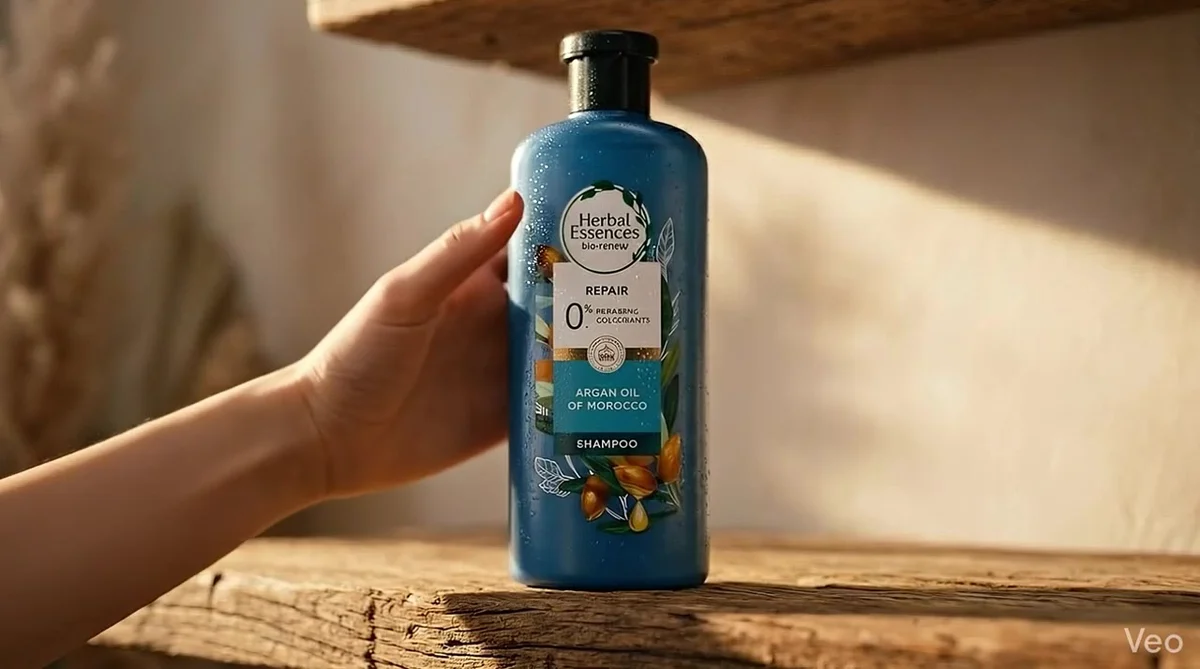
Herbal Essences: Botanical Haircare Commercial
Bring botanical imagery, the product and human emotion into one visual direction.

Snowbound City Monster: Concept Film
Explore a cinematic snow-covered city and monster on a scale difficult to achieve with conventional filming.
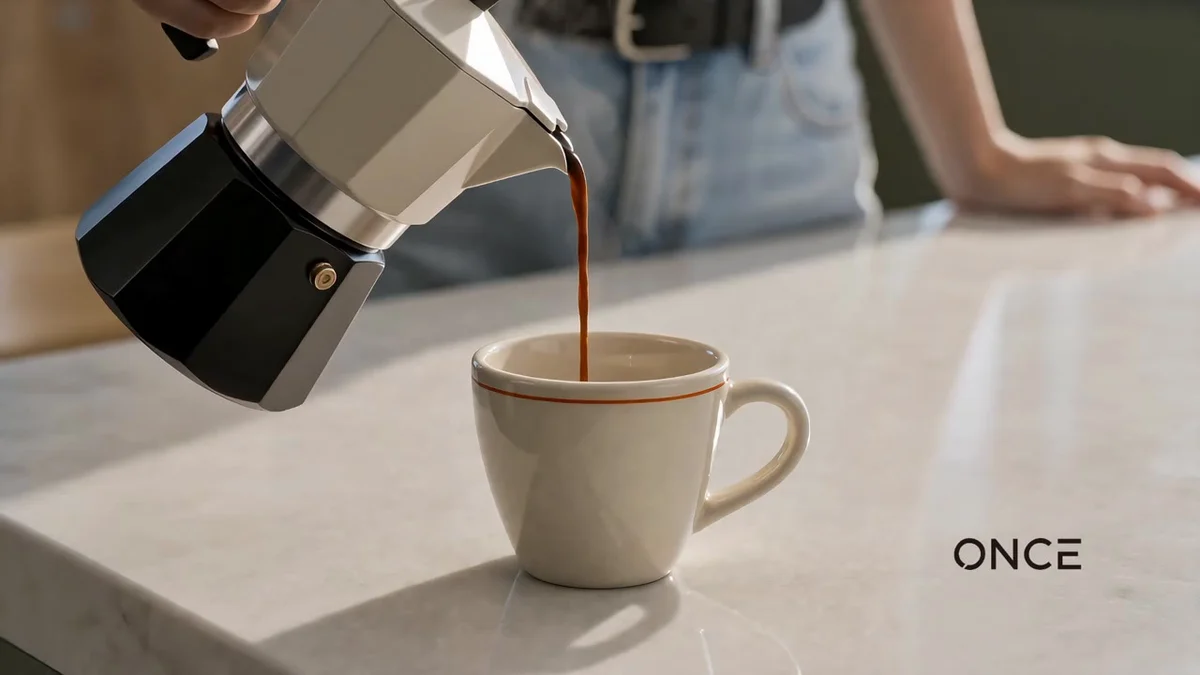
ONCE: Coffee, Headphones and City Life
Test a generated narrative through a continuous urban atmosphere of coffee and headphones.
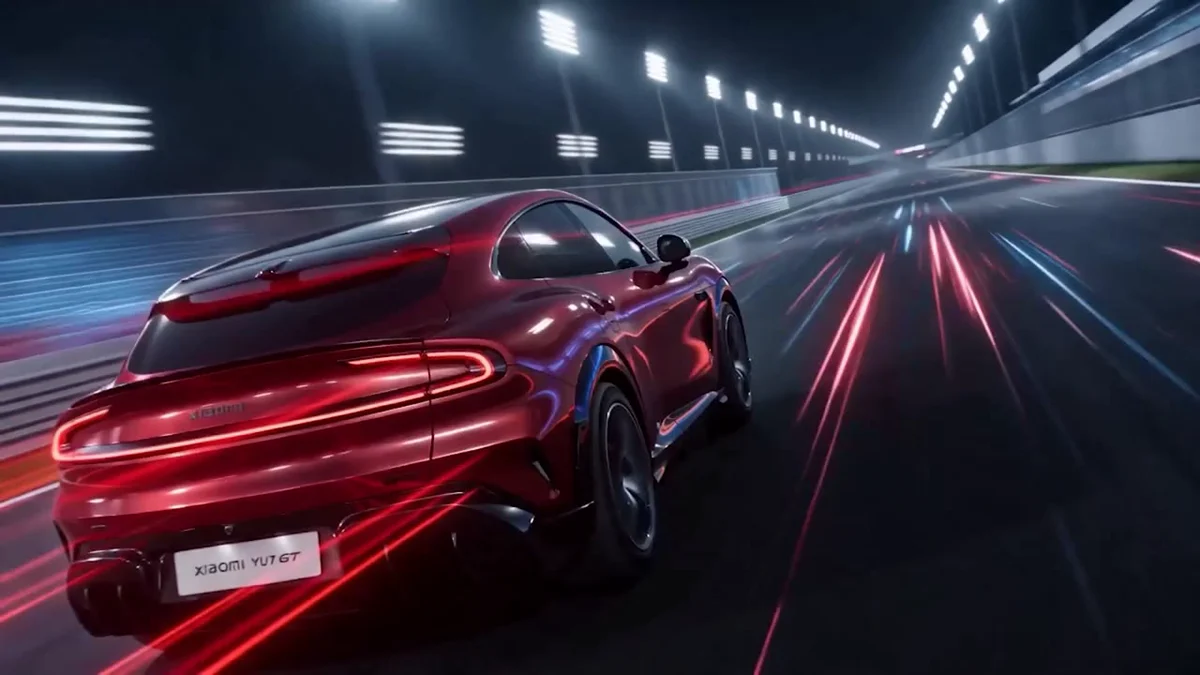
Red SUV: Racetrack and City Commercial
Test a generated world across racetrack and city settings, using speed within a consistent visual direction.
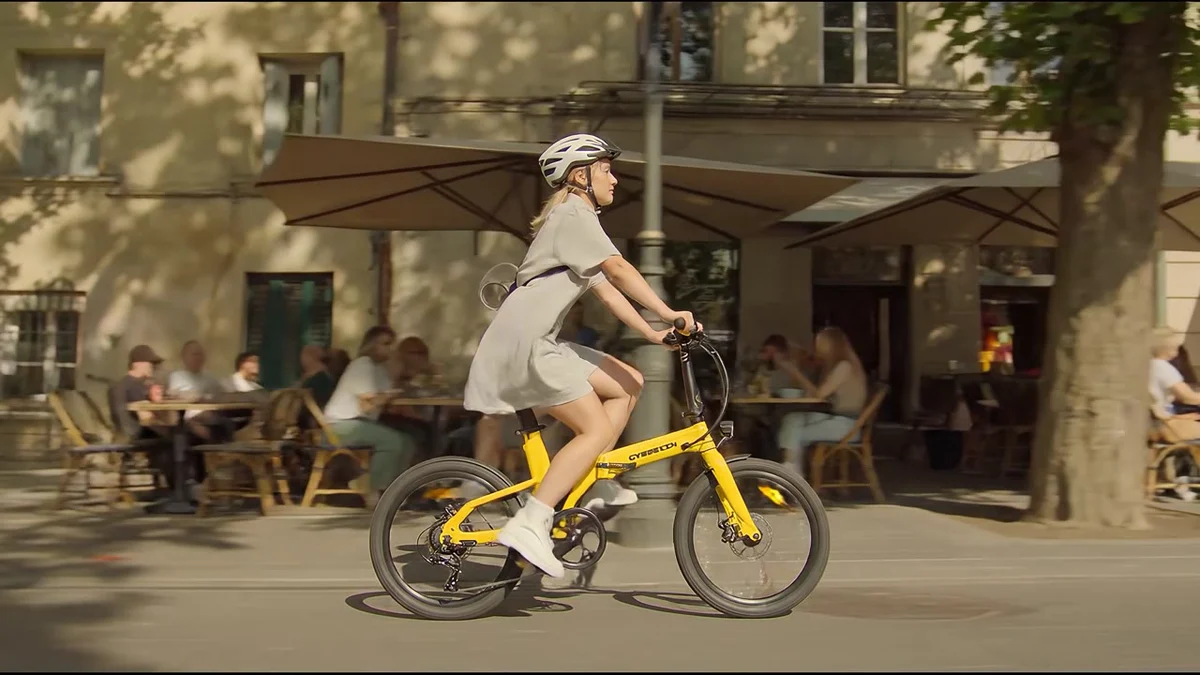
Urban Cycling Lifestyle Commercial
Use city cycling to test continuity in characters, clothing and surroundings.
Snowy Off-Road Adventure Commercial
Explore snowy off-road action and storytelling at a scale that would be costly to film conventionally.
From published work to your production brief
Keep the product recognizable inside an AI-generated world
Review product identity and the creative world separately. The product needs a stable appearance; the setting needs coherent scale, light and movement. These published films offer visual references for those decisions. A concept world serves a different purpose from evidence of product performance.
Herbal Essences: product, person and light
Published-film referenceThe film places grooming, a mirror and window light in a warm interior, then uses close views of the blue bottle, leaf graphics and packaging text to establish product identity. Hair, hands, reflections and the bottle are elements that need continuity across the sequence.
For your next productionApprove physical-product and packaging references first. Check bottle shape, lettering, hands and reflections in key shots, with separate reviews for product accuracy and atmosphere. A strong still image cannot establish continuity across an entire sequence.
View the full case: Herbal Essences: product, person and lightSnow City concept: establish the world's rules
Published-film referenceThe concept combines high-rise buildings, a television tower, snow and low clouds with penguins in the city. It offers a reference for the relationship between a fictional environment, creature scale and visual atmosphere.
For your next productionTest an environment wide shot, a subject close-up and a moving shot together. Compare scale, light direction and movement. Retain the concept label in a proposal, then verify actual product functions and usable source material when developing an advertisement.
View the full case: Snow City concept: establish the world's rulesCompare proposals for your next film
Ask which shots must preserve the product exactly and which can allow generated variation. Compare key-frame reviews, sequence checks and manual correction stages, and confirm the permitted use of people, brands and source assets.
Anchor the brand facts. Then explore the image.
Each stage should have a clear decision, an agreed output and someone responsible for it. When the scope changes, we discuss the effect before deciding what to do next.
- 01
Start with the business
Clarify the product, audience, launch moment and action the content should support. The format can follow; the objective should not remain vague.
- 02
Decide what is worth filming
Bring the benefits, supporting demonstrations, creative idea and channels together before choosing the shots.
- 03
Make the production visible
Confirm the script, storyboards, schedule, budget, shoot and post-production in stages. Know what the budget covers and what needs approval next.
- 04
Plan for reuse
Alongside the hero film, plan cutdowns, horizontal and vertical versions, subtitles and key images so one production can serve more real applications.
Choose the right method for every shot.
We do not start by forcing the project into a standard package. First define who needs the content; then put the hero film, shorter versions, formats and future use into the same delivery plan.
A good fit for
- Brands exploring new creative possibilities with AIGC
- Projects combining live action and generated imagery
- Teams that need product consistency and a defined commercial delivery
Deliverables can include
- AIGC concept films and short commercials
- Visual development and keyframes
- Live-action reference shots for product accuracy
- Generated shots and compositing
- Versions, asset sources and delivery notes
The final selection is agreed for the project; these items are not automatically included in every engagement.
Review product accuracy before approving the final image
Check the approved product shape, finish, logo, wording, controls and demonstrated action against the actual product references. Record which shots are live action, generated imagery or composites, and which are concepts.
Agree the source assets, permissions, keyframes and revision scope before production. When a generated shot cannot hold a required product detail, assess a filmed element or an approved product asset instead. A visually convincing result is not evidence that a product function is real.
How AI product videos retain real product details · Plan live-action product filming
Every “yes” needs a clear answer behind it.
Share the product, the audience and what you want the work to achieve. We will help turn those expectations into a practical creative and production plan.
Which shots are suitable for AIGC?
Concept spaces, atmospheric extensions, large environments and transitions are useful starting points for tests. Product close-ups, identifiable people, precise operations and official claims usually need live action or verifiable assets.
Is AIGC always cheaper and faster?
No. Consistency, product accuracy, complex motion and repeated revisions can all add cost. Testing the essential shots first gives a firmer basis for choosing the full production approach.
Can you guarantee that every generated asset is cleared for commercial use?
No blanket guarantee is possible. Model terms, people, fonts, music and third-party assets need to be checked individually. Material with an unclear source or usage permission should not enter the commercial release.
What should we prepare for the first conversation?
Product or brand information, the intended audience, channels and launch timing, existing content and an indicative budget. Incomplete information is fine; we can begin with the most important question.
Why is duration alone not enough for a quote?
Two 30-second films may require very different talent, locations, shoot days, art direction, effects, licences and version counts. A useful quote corresponds to a defined scope, not just a number of seconds.
One central idea. More ways to use the content.
Brand, product, corporate and social content do not always need separate shoots. Start with the most important commercial task, then identify the people, sets, products and footage that can be planned together.
Use AI where it makes a new creative possibility practical.
Send the product, script or unsuccessful tests. ONCE will assess which shots are worth exploring with AI.
Explore an AIGC directionBrand and project names on this page refer to work already featured in ONCE’s public portfolio. The content is intended to support understanding, trust and the opportunity to act. Traffic and sales also depend on the product, pricing, channels, media activity and market conditions.