Crowdfunding video production
Make the vision compelling. Make the prototype credible.
Backers need a possibility they can believe in. ONCE brings the founder’s story, prototype actions, feature evidence and campaign page into one consistent account.
Published work includes innovative product content for Velium, WISE TIGER and ZIVA.
Three jobs the content should do
More traffic or sales cannot be promised by a film alone. What the production can do is make it easier for the right people to stop, understand the product, assess what they see and decide whether to take the next step.
A vision people can picture
Show the life the product aims to improve through a specific person, action and moment of use.
An honest prototype story
Clearly distinguish current capabilities from work still in development across live action, illustrations and copy.
Content that works together
The main film creates interest; page content, feature clips and updates continue answering questions.
Give backers reasons to believe.
Emotion draws people into the story. Evidence gives them a reason to continue. We make the future engaging while showing today’s prototype closely and clearly.
Explore the work behind the names.
These are projects already featured in ONCE’s public portfolio. Explore the creative approach, the production and the finished work, from brand films and product demonstrations to campaign content and platform versions.
Velium MagRota: A New Approach to Imaging Filters
Connect the filter design, rotating action and imaging value into a memorable product introduction.
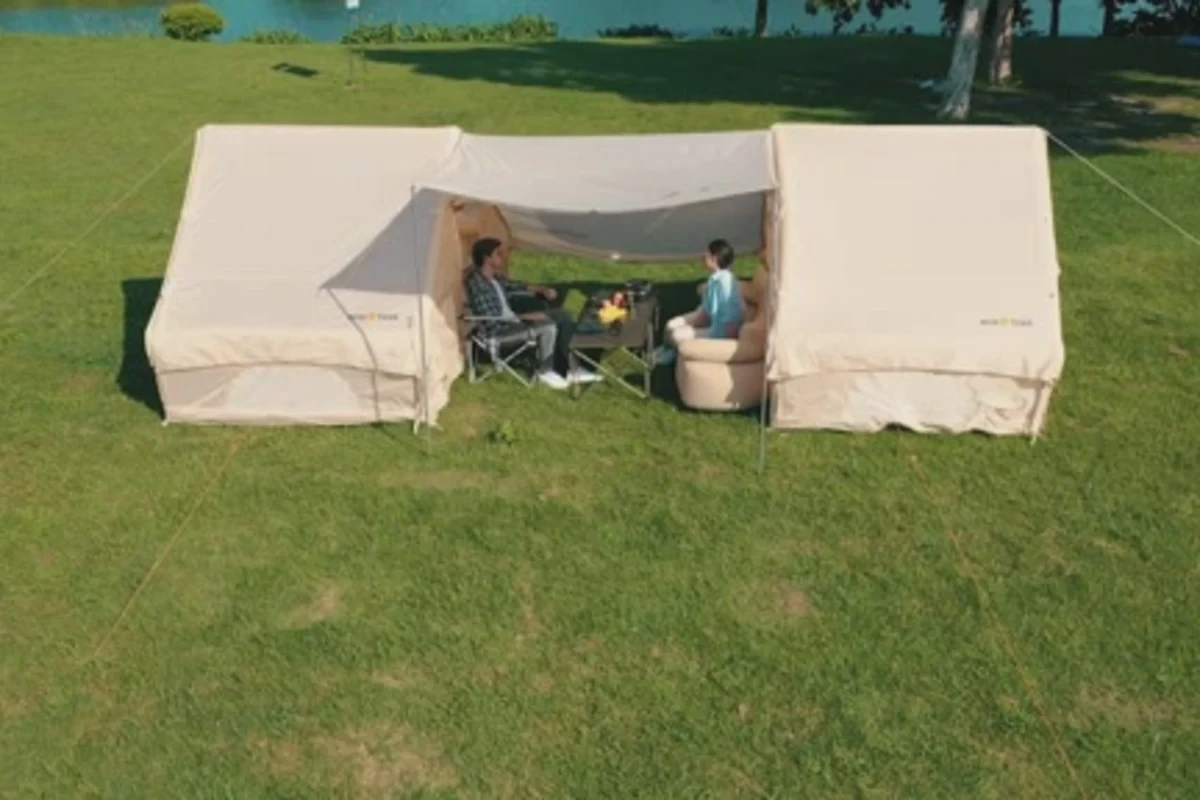
WISE TIGER: Modular Inflatable Tent Product Video
Show how the modular product works through setup, combinations and outdoor space.
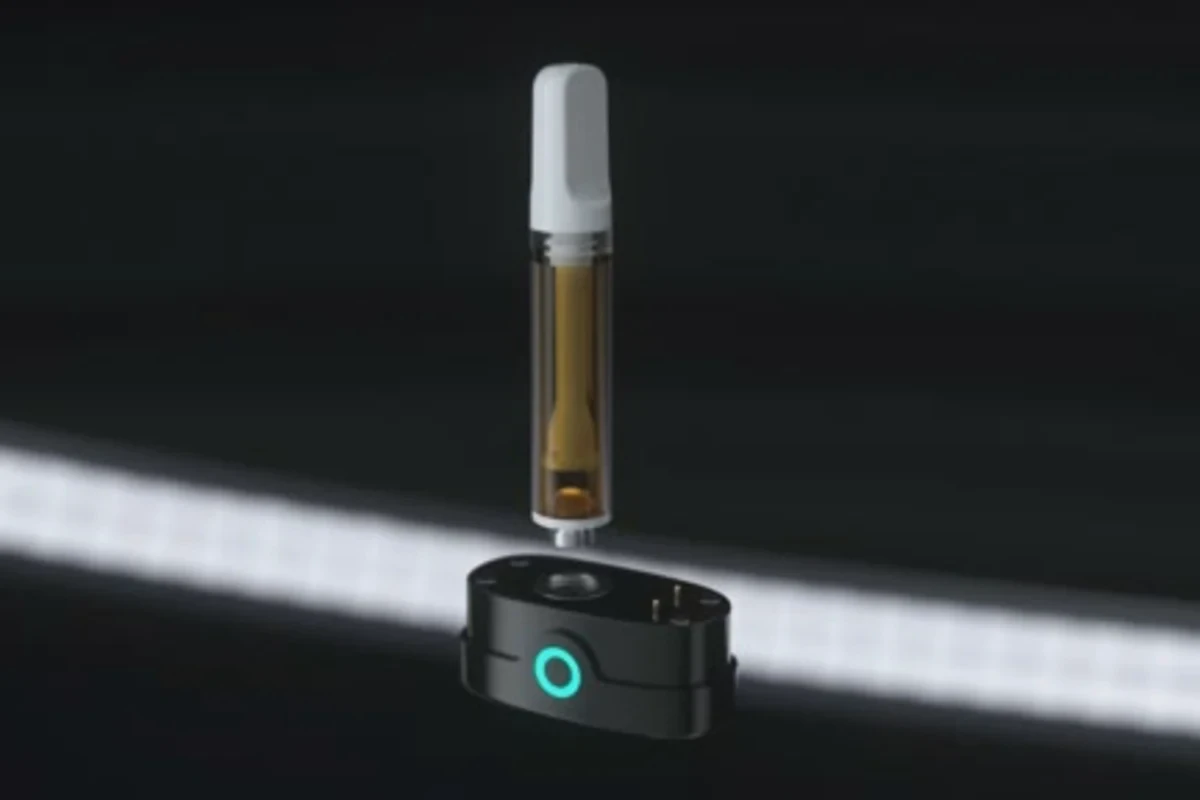
ZIVA: Modular Design and 3D Product Animation
Make internal structures and module relationships into an understandable technical story.
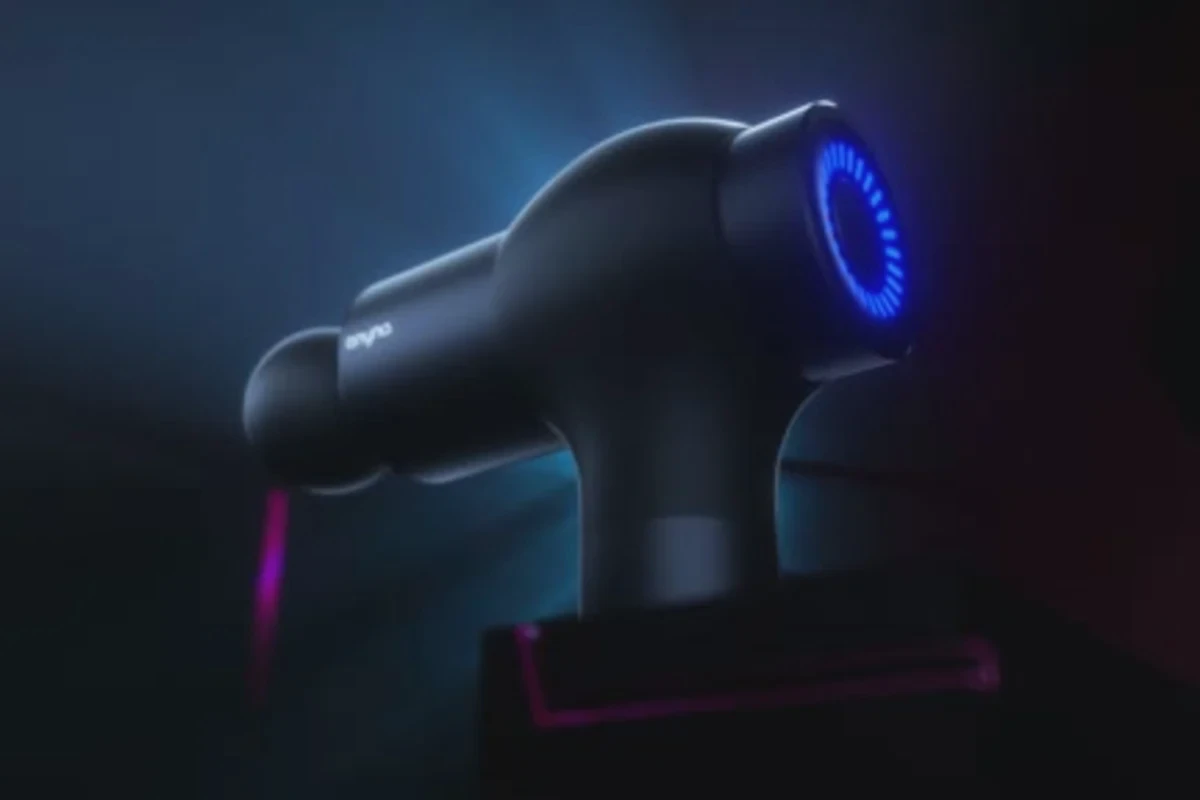
tinyrho MT5600: Massage Gun Product Animation
Use structure, materials and movement to explain the engineering idea behind the hardware.
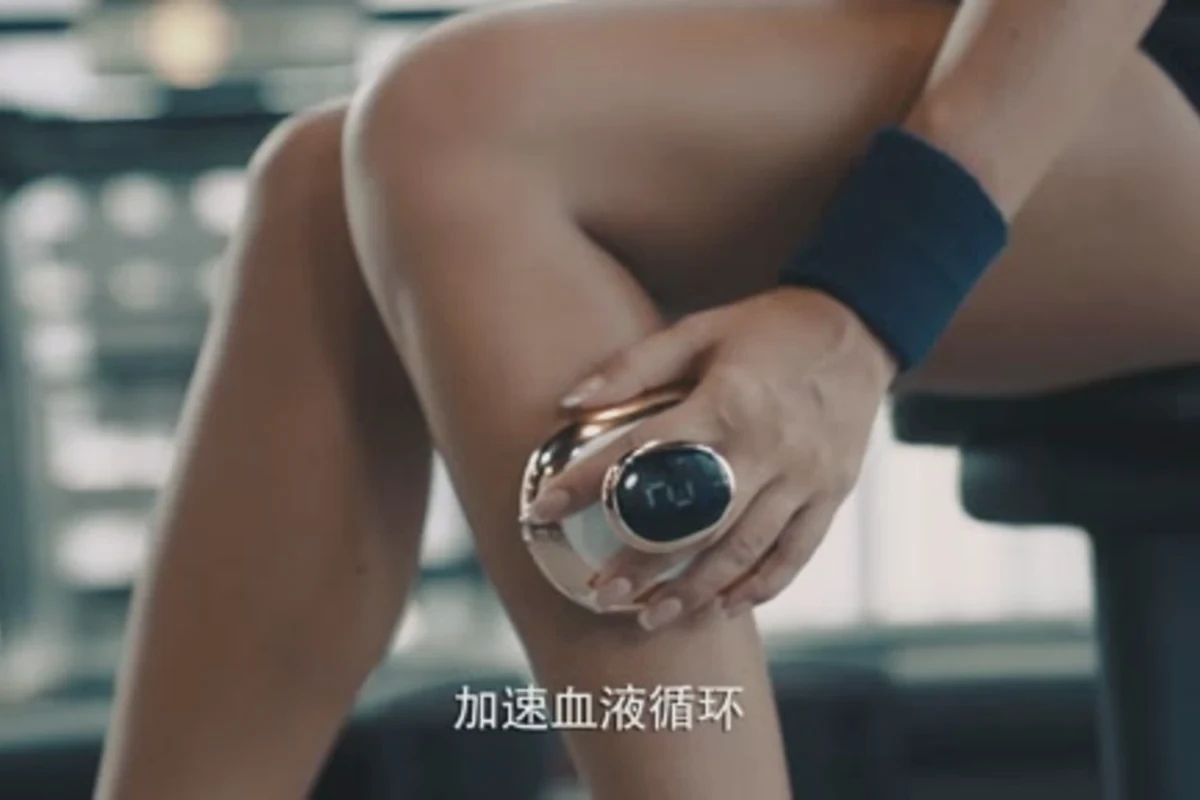
Yarrasonic: Sports Recovery and Personal Care Device Video
Place product actions in recovery and daily care settings to explain their intended use.
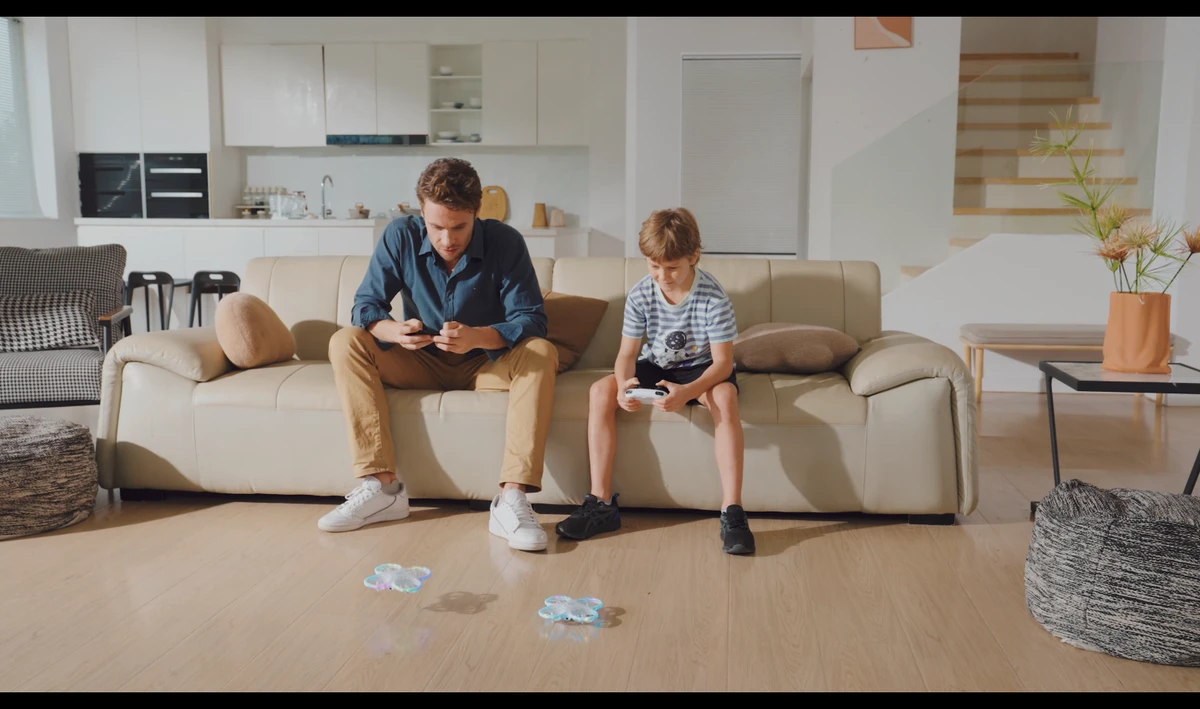
Ameta: Children’s Drone Brand Film
Bring children, the drone and an outdoor setting into a film that connects the vision with product features.
From published work to your production brief
Give the prototype a continuous demonstration
A camera accessory and an outdoor shelter need different scales of explanation. These product films provide references for planning assembly and spatial demonstrations for a new project.
Velium MagRota: keep the fitting action readable
In the published filmThe filter approaches the lens, attaches and is removed. Close views of edges and markings connect to cameras, support equipment and outdoor shooting settings.
For your productionStart with a continuous assembly sequence that shows direction and connection points, then add material details and the working environment.
View the full case: Velium MagRota: keep the fitting action readableWISE TIGER: from packed equipment to a space
In the published filmOpening the case, taking out the pump, connecting the hose and inflating the tent form a chain of actions. Canopy connections, wider space and people follow.
For your productionTrial-assemble a large prototype before filming. Confirm the connection order, location and crew, then decide which steps need continuous coverage.
View the full case: WISE TIGER: from packed equipment to a spaceConfirm the actions before filming
Bring a demonstrable sample and identify its current version, repeatable actions and unfinished elements. Label sample demonstrations, structural animation and future-function explanations separately in the script. If preparing a Kickstarter project, check its current prototype-presentation rules as a separate planning step.
Know where your project stands.
Each stage should have a clear decision, an agreed output and someone responsible for it. When the scope changes, we discuss the effect before deciding what to do next.
- 01
Start with the business
Clarify the product, audience, launch moment and action the content should support. The format can follow; the objective should not remain vague.
- 02
Decide what is worth filming
Bring the benefits, supporting demonstrations, creative idea and channels together before choosing the shots.
- 03
Make the production visible
Confirm the script, storyboards, schedule, budget, shoot and post-production in stages. Know what the budget covers and what needs approval next.
- 04
Plan for reuse
Alongside the hero film, plan cutdowns, horizontal and vertical versions, subtitles and key images so one production can serve more real applications.
What can one production deliver?
We do not start by forcing the project into a standard package. First define who needs the content; then put the hero film, shorter versions, formats and future use into the same delivery plan.
A good fit for
- Teams preparing a Kickstarter or Indiegogo launch
- Product launches that need to turn engineering details into reasons to support
- Projects with evolving prototypes and carefully managed public claims
Deliverables can include
- Crowdfunding campaign film
- Founder story and interviews
- Prototype feature demonstrations
- Page clips and footage for animated images
- Content templates for post-launch updates
The final selection is agreed for the project; these items are not automatically included in every engagement.
Build the campaign around the prototype you can show
Bring the campaign draft, current prototype and intended launch date to the first discussion. The film should make the product understandable while keeping working functions, visual concepts and development plans distinct.
Product readiness
List the functions that work repeatedly, the parts that are appearance-only and any changes still expected. Confirm the unit available for filming and when its form, finish and operating sequence will be frozen.
People and supporting footage
Choose the founder interview, product demonstration, lifestyle scene or manufacturing footage that answers a real backer question. Agree access, participants and the factual information each sequence can support.
Campaign handover
Define the main film, feature clips and launch versions alongside the campaign page. Specify the approver, review dates, captions and usage terms. Kickstarter and Indiegogo are intended publishing destinations; their mention does not imply a platform partnership or a funding result.
Prepare the prototype for shipping · Set remote approval windows · Plan launch versions
Let’s make something worth watching.
Share the product, the audience and what you want the work to achieve. We will help turn those expectations into a practical creative and production plan.
Can filming start before the prototype is final?
We can first assess the current version and what can be shown publicly. The script distinguishes demonstrated capabilities, concept illustrations and future plans, so development goals are not presented as delivered features.
How does a crowdfunding film differ from a product video?
It explains why the project deserves support as well as the team, prototype, plan and risks. The film and page information need to work together beyond demonstrating features.
Does the founder have to appear on camera?
No. But when the team’s choices, technical trade-offs or motivation help build trust, a real person can be more persuasive than brand narration.
What should we prepare for the first conversation?
Product or brand information, the intended audience, channels and launch timing, existing content and an indicative budget. Incomplete information is fine; we can begin with the most important question.
Why is duration alone not enough for a quote?
Two 30-second films may require very different talent, locations, shoot days, art direction, effects, licences and version counts. A useful quote corresponds to a defined scope, not just a number of seconds.
One central idea. More ways to use the content.
Brand, product, corporate and social content do not always need separate shoots. Start with the most important commercial task, then identify the people, sets, products and footage that can be planned together.
Show why a good idea deserves support.
Bring the prototype, timeline and campaign-page draft. ONCE will help identify the point that most needs to earn a backer’s trust.
Plan your crowdfunding filmBrand and project names on this page refer to work already featured in ONCE’s public portfolio. The content is intended to support understanding, trust and the opportunity to act. Traffic and sales also depend on the product, pricing, channels, media activity and market conditions.