An Amazon portable power station video should help buyers see where the unit can supply power, whether it is easy to operate, and what visual evidence supports its runtime claims. Organize these three questions in the script so the product page, search ads, and off-site cutdowns communicate the same message, rather than simply reciting capacity, ports, and power output.
Turn Amazon Buyer Hesitations Into Shot Tasks
Camping power-station pages often list dense specifications: 80000mAh, USB-C, AC output, fast charging, weight, and compatible devices. Users usually ask simpler questions: can the phone and lamp charge at the same time, is the unit easy to take out at night, and will it last for a weekend trip? Rewrite these questions as evidence to capture before filming instead of trying to repair them with subtitles in editing.
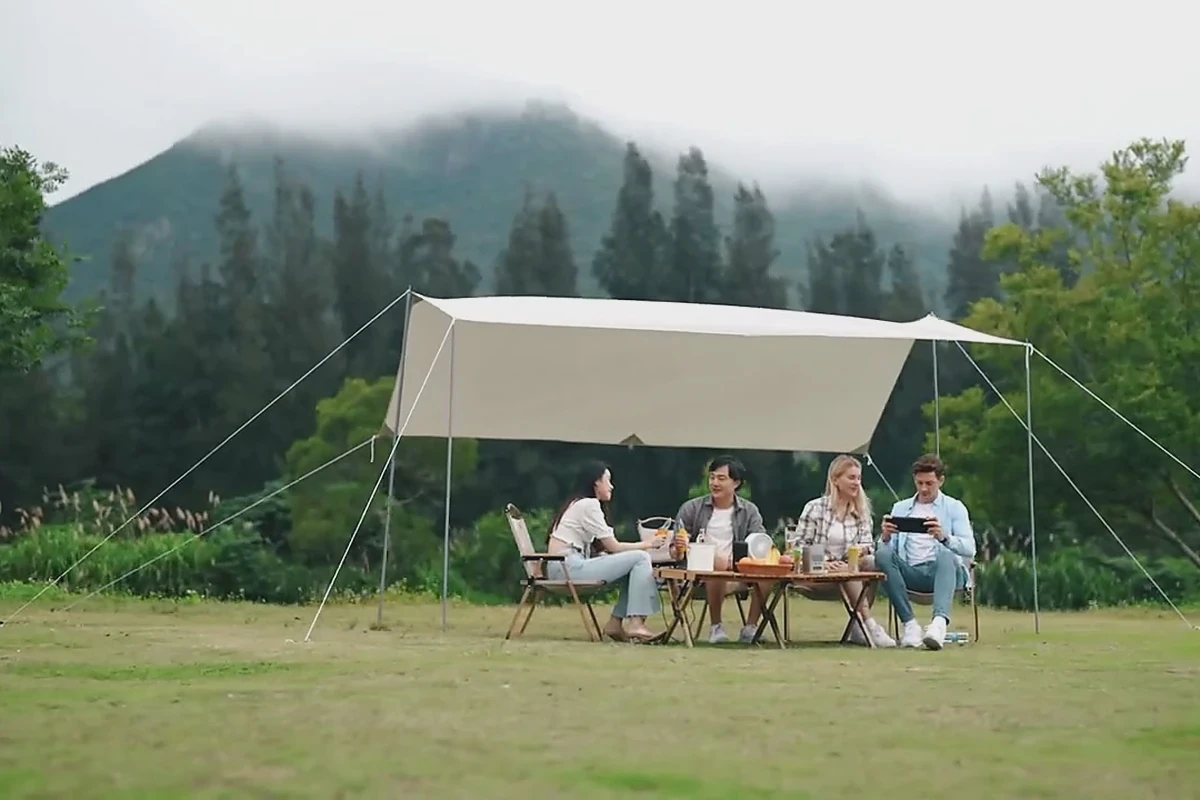
A practical brief can be arranged as "scene - action - result": First, establish the power usage context with a tent, table, or car trunk; then show hand movements for plugging, connecting, and storing; finally, capture the result of the devices working continuously and people continuing their activities. Once each shot has its own task, capacity parameters will transform from technical specifications into reasons that users can understand when making a purchase.
Use the First Second to Establish the Product and Benefit
A video in Amazon search results has little time to build a story. In the first second, show the portable power station, the device it is powering, and the setting together. Make the unit easy to recognize, its connections easy to follow, and the camping context a clear reason to need it. Once the product is understood, use consistent colors, packaging, and an end card to reinforce the brand rather than filling the opening with logos.
The official Sponsored Brands video specifications emphasize showing the product or an interesting scene in the first few seconds and keeping important information out of the lower-right corner. That directly affects subtitle placement, key selling points, and the CTA safe area.
Make Runtime and Fast Charging Verifiable on Screen
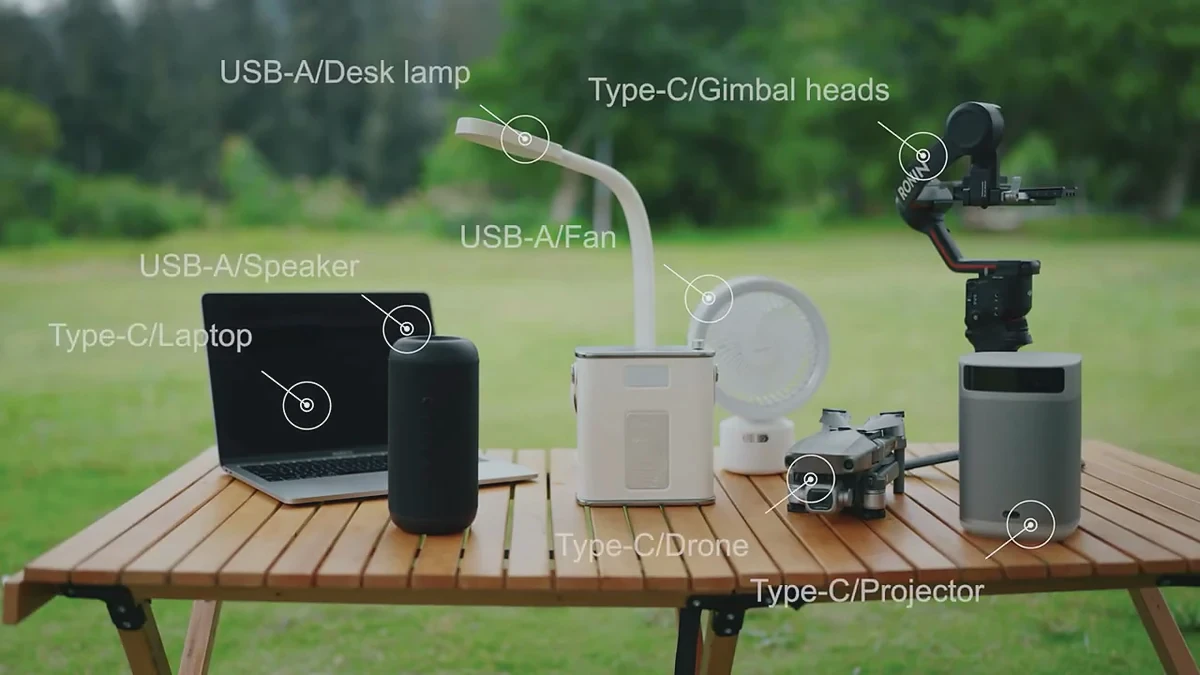
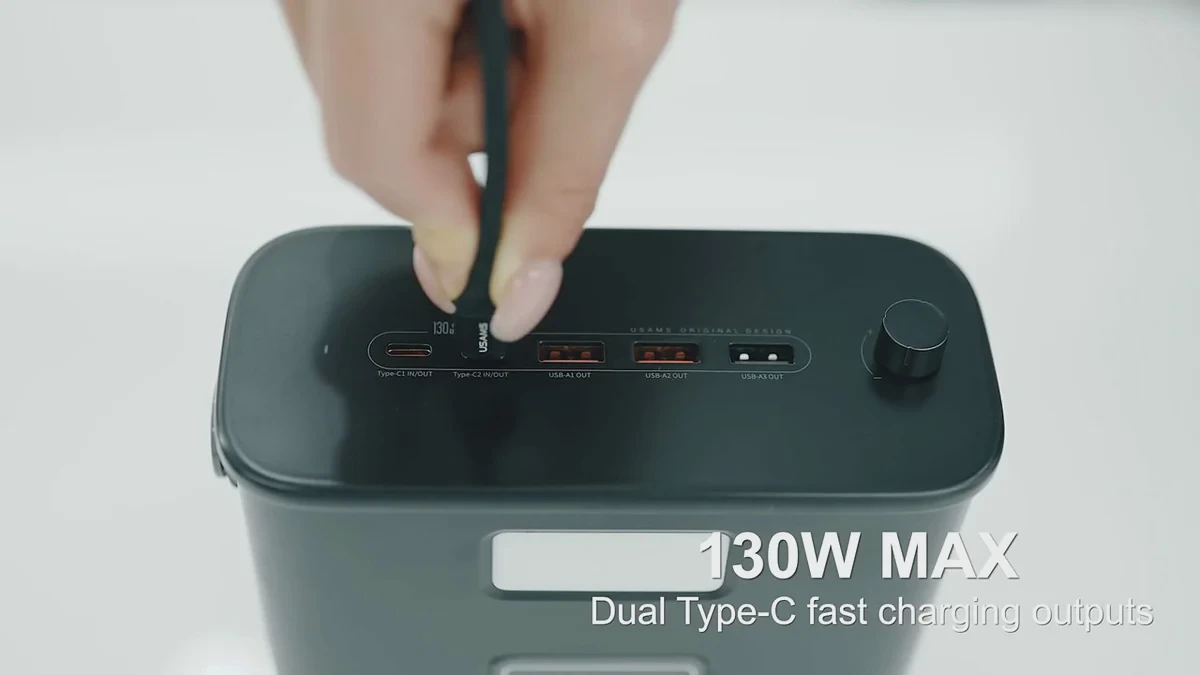
Claims of “large capacity” and “fast charging” can become unsupported floating text. A sequence of actions is more useful: take out the power station, connect it, start the device, and show use continuing. Capture clear close-ups of ports, buttons, cables, and indicator lights, as well as medium shots showing the distance between person and product. Details provide credibility while the setting helps viewers imagine using it. Without both, the video risks becoming only specifications or only atmosphere.
Give Product-Page Films and Ad Cutdowns Different Pacing
The product-page main film can add two or three explanatory steps: why a connection is made, which devices are suitable, and what changes once the unit is packed away. An ad cutdown should focus on one compelling question and one result. Mark general evidence shots, product-page explanations, and first-second ad openings separately in the storyboard. The same shoot can then supply 15-second, 20-second, and longer product-detail versions without repeated pickups for each new platform.
If a brand operates an independent site and product listings, use the same selling-point sequence across Amazon and other channels. Shopify’s official product-media guidelines can serve as a format reference before delivery. Keep the visual flow consistent: reduce cognitive load, provide purchase proof, then lead to the next action with the CTA.
Use Storyboard Pacing to Preserve the Camping Experience
The visual appeal of a power station doesn't necessarily mean more shots are better. On set, we give each segment a "breathing space": the opening uses wider environmental shots to establish the purpose, the middle section uses stable close-ups to explain connections and functions, and finally, it returns to people enjoying their camping experience. Music, ambient sounds, and text all serve this rhythm; there's no need to cram every second with selling points.
This also has another advantage: when the overseas team receives the footage, they can replace the subtitles or voiceovers with local languages, while the visuals themselves remain understandable. For products that require multi-regional distribution, it's more durable to first preserve visual evidence that doesn't rely on a single language than to create a "universal narration" from the start.
Build an Asset Matrix That Supports the Next Campaign
Filming is only the start of a reusable asset library. Label the hero frame, port details, nighttime use, device connections for several people, packing and carrying, and the branded ending in the delivery list. These can serve Amazon search ads, product-detail pages, Shopify product pages, email, and social retargeting. Change one variable in each campaign, such as the first-second scene, selling-point priority, or CTA, before rebuilding the entire film.
Include Buyer Trust in the Delivery Standard
When shooting cross-border products, ONCE VISUAL uses "whether unfamiliar users can quickly trust it" as an on-site judging standard: Is there a familiar reference for the product’s size? Is the operation coherent? Do key texts avoid platform obstruction areas? Can viewers pause the footage and inspect the details? These small judgments affect the user's first impression of the brand's professionalism and determine whether the footage can be extended from one project to the next round of promotion.
If a portable power station is heading to Amazon, Shopify, or overseas social platforms, start with a one-page selling-point evidence table and a version-delivery checklist. To plan the product-page main film, advertising cutdowns, and campaign assets together, see ONCE’s cross-border e-commerce product video production plan and the USAMS portable power station case study. Bring the real advertising objectives to the discussion of shot order.