Cross-border brands often reuse one 30-second video for YouTube horizontal ads, Shorts, and search placements. The problem is usually that each format shows only part of what the footage can do. First define what the horizontal version should explain, what the vertical version should capture, and what the square version should add. Then let the same running shoes’ cushioning, support, and feel enter different conversion paths.
Match the Script to Browsing, Search and Comparison
Running shoe buyers arrive with different intentions. People encountering the brand in Shorts need an immediately clear hook, such as the sole rebounding on impact. People searching or watching in-feed content may spend longer assessing the type of running and underfoot feel the shoe suits. Retargeting can then address sizing, colorways, and the landing-page CTA. One big idea can unite the campaign, while the script changes with viewer intent. Packing every message into one film makes each stage harder to understand.
Use the Horizontal Main Film to Connect Brand and Product
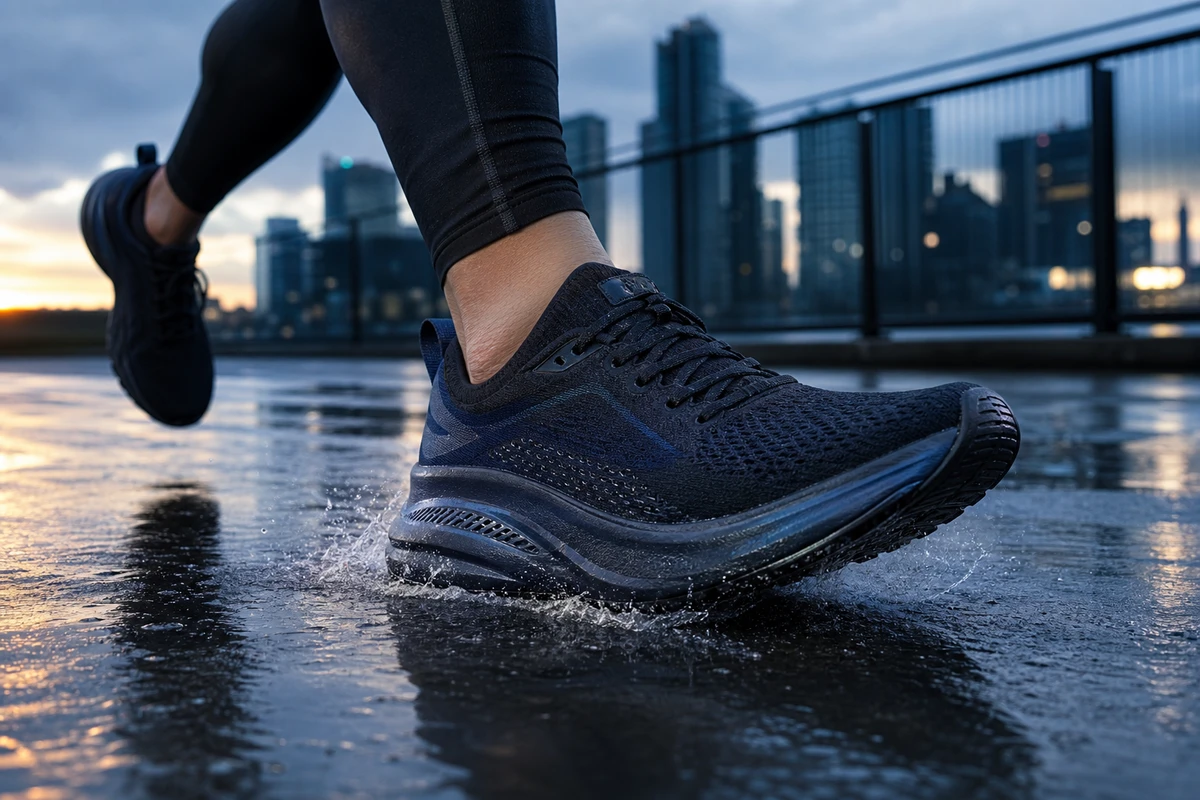
A 16:9 main film can connect leaving home in the morning, running on different surfaces, the moment of landing, and post-run recovery into one story angle. Open with a close-up of the sole pressing onto wet or granular ground, rather than a model posing. Use side-on tracking shots and the rhythm of the feet to explain cushioning, rebound, or stability, then return to the product and a call to action at the end. Google’s ABCD video creative principles separate Attention, Branding, Connection, and Direction, offering a useful way to decide what the edit needs.
Make Underfoot Feel Visible in the First Second of Shorts
Frame vertical footage around feet, shoes, and their contact with the ground. Lower the camera for a clear visual hook: the upper flexing, the sole rebounding on landing, or support through a turn. The person can be represented just by their legs and the rhythm of their breathing, with the product remaining central. Plan Shorts in 9:16 and keep important details within the interface safe zone; consult Google’s Shorts ad specifications and best practices when preparing delivery. Capture a dedicated vertical action on set when necessary instead of cropping the sole out later.
Use Square Video to Show the Product and Benefit Together
The 1:1 format is useful when a small frame must clearly show the shoe shape, colorway, and a short benefit statement. Give it its own edit: open with a still key visual (KV) of one shoe, then use two or three short actions to demonstrate the main selling point. A version for jogging as part of a commute can emphasize lightness and easy styling, while a long-distance training version can emphasize stability and endurance. Different audience concerns need different shot tasks, even when the shoe is the same.
Start Managing the Asset Library on the Shoot Day
ONCE labels each shot in the shot list with usable aspect ratios, selling points, the person’s activity or state, and usable duration. A sole close-up can become a 6-second hook; a medium shot of the runner can support a 15-second story; tying laces and leaving home can connect brand moments. This creates a searchable asset library and avoids discovering two weeks into a campaign that there are no alternative openings. Identify the problem before reshooting: an unclear hook, insufficient product evidence, or a gap between the CTA and the landing page.
Deliver a Content Version Matrix With a Purpose for Every File
A minimum matrix can include one 30-second horizontal main film, two 15-second selling-point films, three 6-second bumper ads, two 9:16 Shorts, two 1:1 explainers, and silent subtitled versions. Google’s creative guidance checks whether an ad group includes horizontal, vertical, and square orientations. Use asset reports to keep replacing weaker versions. Assess first-five-second retention, clicks, completion, and product-page behavior together rather than judging the creative by one metric.
It's also crucial to clearly state the intended use for each file before editing: horizontal videos should focus on brand storytelling and running experiences, vertical videos should highlight underfoot feel and movement, and square videos should showcase the shoe design and a key benefit. This prevents misinterpretations by different teams (media, design, and editing) after delivery. Advertising platforms may change, but the principle of creating version matrices remains constant: ensure that a single selling point is clearly communicated in the appropriate viewing environment, rather than being forced through rapid cuts and excessive text.
Three Common Mistakes in Running Shoe Ads
Three mistakes recur: filming atmosphere so viewers remember the scenery but not the shoe; using effects in place of evidence of underfoot feel; and delivering horizontal, vertical, and square versions without distinct hooks. Freedom, perseverance, or breakthrough can provide an emotional benefit, but the idea must be grounded in real steps, surfaces, and products. For a workflow connecting the main film, cutdowns, and campaign review, see ONCE’s video marketing section. ONCE VISUAL develops campaign assets that can continue to be used and extended.