An electric toothbrush brand can easily mistake one unboxing film for a year’s worth of content. First-time buyers want to understand brushing feel and how cleaning works; returning buyers care about brush heads, charging, and travel. Ad viewers may give it only two seconds. Shopify electric toothbrush content assets should start with a product-page main film, while the shoot also captures selling-point evidence, use scenarios, and short versions for ongoing testing.
Find the Unspoken Questions That Prevent a Purchase
"High-frequency vibration" and "multiple modes" are functional descriptions, not reasons to buy. The real brief should address questions like: Will it be uncomfortable the first time I use it? Is one charge enough for a trip? How do I change the brush head? Will it clutter my bathroom counter? ONCE typically divides these questions into four categories: the feeling of cleanliness, ease of use, daily storage, and long-term maintenance, then creates shot tasks for each category. Selling points aren't just reciting specifications; they provide users with a tangible outcome.
Help Product-Page Visitors See That They Can Use It
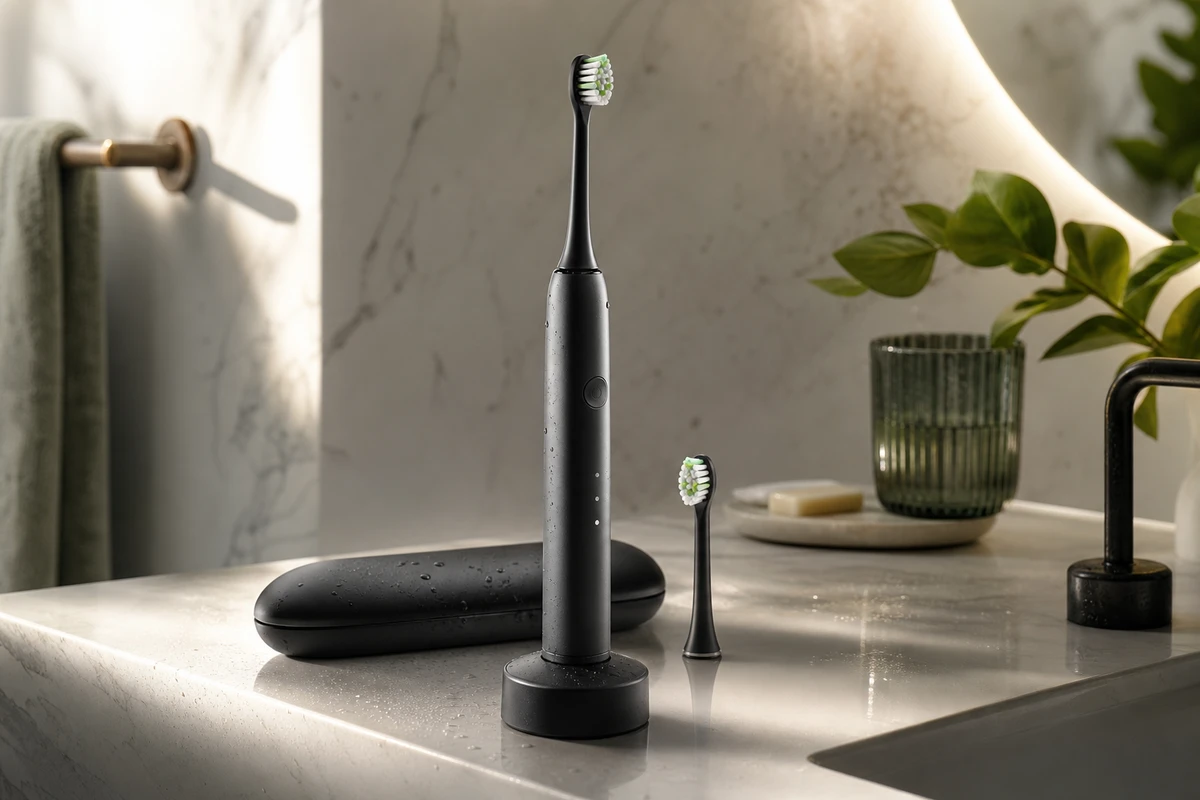
A product-page hero frame might combine the toothbrush, a clean sink, and morning sidelight. The next shot should show real actions: picking it up, switching it on, brushing, rinsing, and returning it to the charging base. This does not need the look of an aesthetic-medicine advertisement; real materials, natural hand movements, and moisture can establish trust. Shopify includes video, images, and 3D models in its product media, and its product-media documentation notes that the theme must support their display. Confirm the module position with the website team before the shoot so the film does not end up below the fold.
Show Cleaning Features Without Exaggerating Results
Unsupported claims are especially unhelpful for personal care products. Combine brush-head texture, flowing water, mode changes, and use in front of a mirror into a visual hook instead of relying on an unverifiable before-and-after comparison. Show experiences viewers can check: a comfortable grip, an easily replaced brush head, a tidy charging base, and storage for a business trip. On set, ask whether viewers could explain the selling point without subtitles. That is what makes a shot useful for a cutdown.
Create Four Reusable Scenes Around One Sink
You don't need to shoot in four cities just for "content assets." A well-controlled bathroom scene can capture morning routines, bedtime care, shared countertop use with a partner, and travel storage – four different story angles. The main unit, brush head, charging case, and storage bag each have their own hero shots, which can be combined into a pool of materials for product page demonstrations, email automation, retargeting, and creator re-edits. In essence, the value of scene assets isn't about how many backgrounds you use, but whether each change in scenery addresses different customer concerns.
Make Vertical Ads Feel Like Content, Not Cropped TVCs
TikTok's official creative guidelines emphasize vertical format, sound, a strong opening hook, and continuous testing. They also recommend preparing significantly different creatives for each ad group. You can refer to TikTok Performance Ads Creative Best Practices. Therefore, the vertical format isn't just cropping a piece from a horizontal video; it's about keeping hands, brush heads, and facial expressions within the safe zone. While voiceovers can be replaced, product actions cannot be omitted. Shooting both "first use" and "travel storage" with the same selling point is a way to test user insights.
Plan Versions for First Purchases, Repeat Orders and Creative Fatigue
A suggested minimum delivery is one 45-second product-page main film, four 12–20-second selling-point versions, three 6–9-second hook versions, plus silent subtitled versions and still-frame key visuals (KV). The first-purchase version should explain why switching is worthwhile; the repeat-purchase version should cover brush heads and maintenance; the gift version should show unboxing and the shared-countertop experience. The media buyer’s feedback should identify which opening, emotional benefit, and CTA work better for each audience, rather than merely saying that a video performed well. Identify the variables before deciding to reshoot.
Record a separate set of interchangeable modules on the shoot day: fitting and removing different brush heads, water droplets on the charging base, opening and closing the travel case, and a minute of natural activity in front of the mirror. These small shots are easy to reuse in post as transitions in the main film, animated images in email, or six-second demonstrations in ads, without rebooking the location and cast. Their value depends on planning them before the shoot.
Specify these choices in the production schedule: how many states of each accessory to film, whether to retain both a clean countertop setup and an everyday countertop setup, and which shots need empty space for text. Planning these options on set is easier than discovering after launch that the footage is insufficient.
Use AIGC to Extend Real Product Evidence
AIGC can extend backgrounds, language versions, and scene transitions, and help the team preview the script structure. Brush heads, switches, charging ports, and hand actions must still be based on real footage. If overseas viewers spot an incorrect product structure, trust in the campaign can break down before the click-through rate falls. ONCE VISUAL prefers to build reusable live-action assets first, then use AI for compliant, limited extensions. For the workflow from filming to advertising assets, see ONCE’s video marketing section.