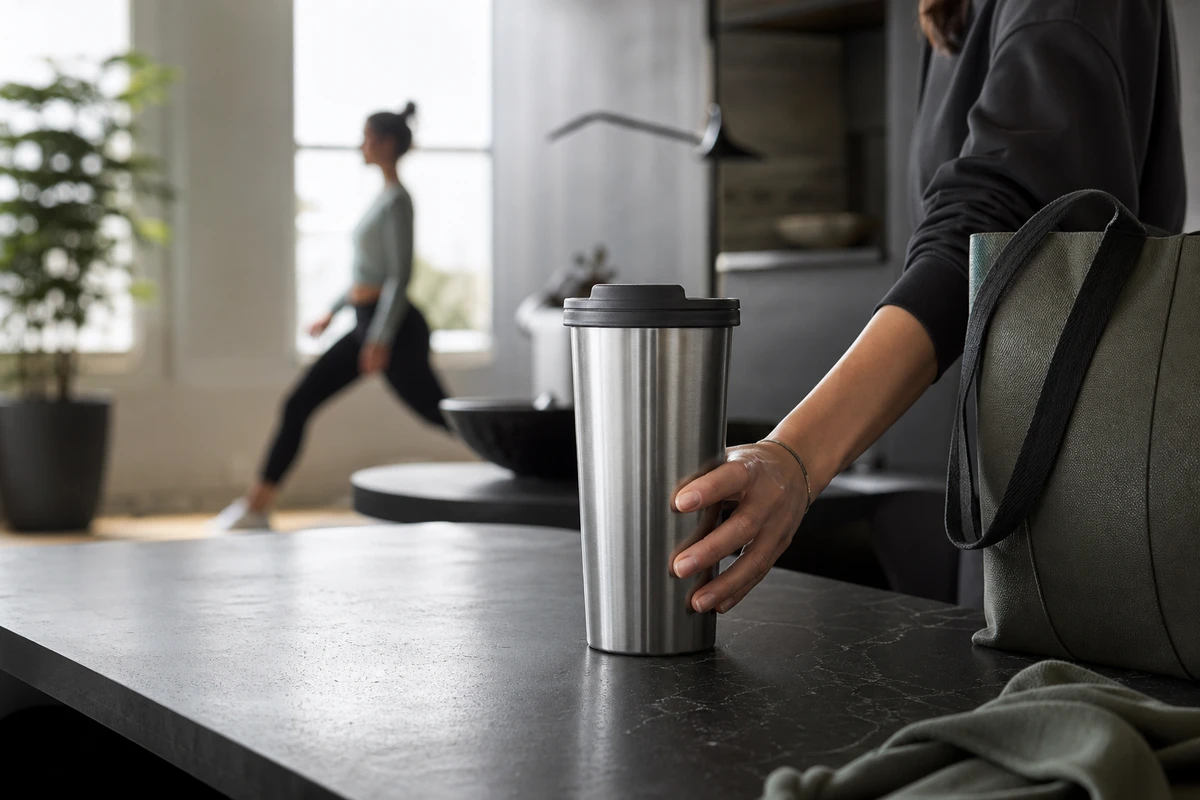
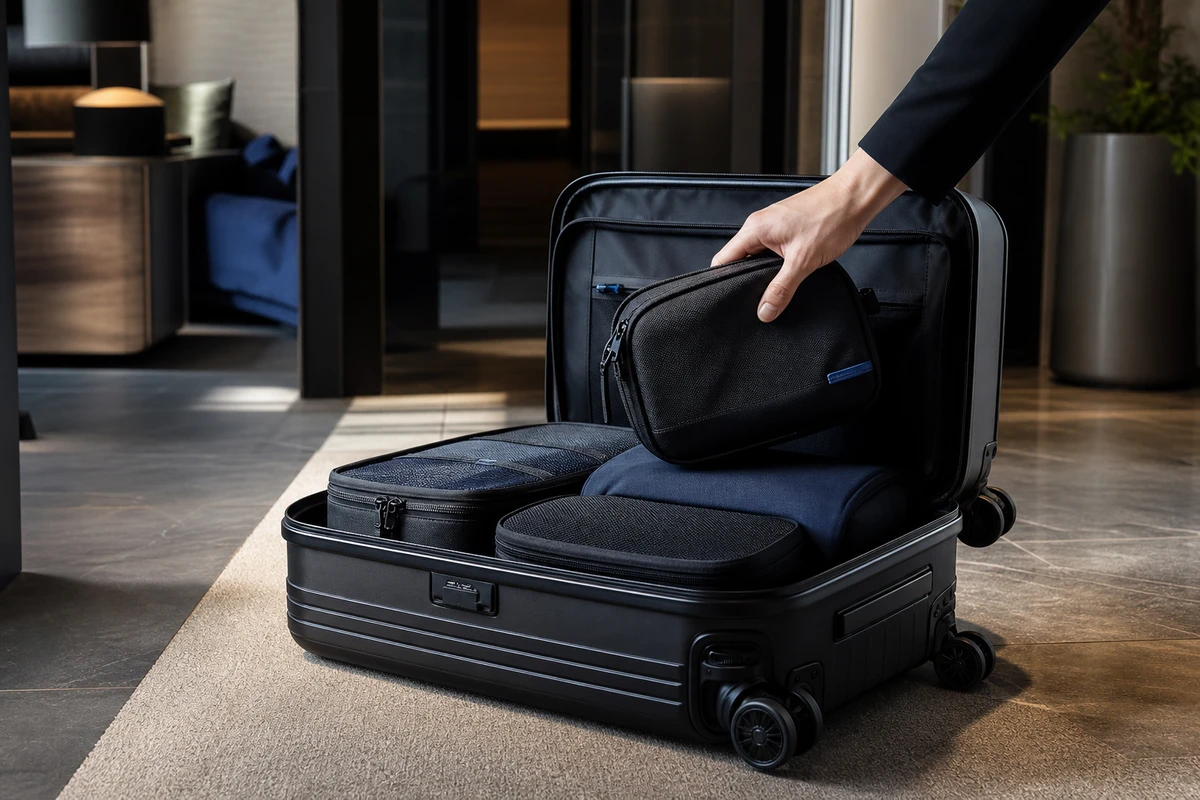
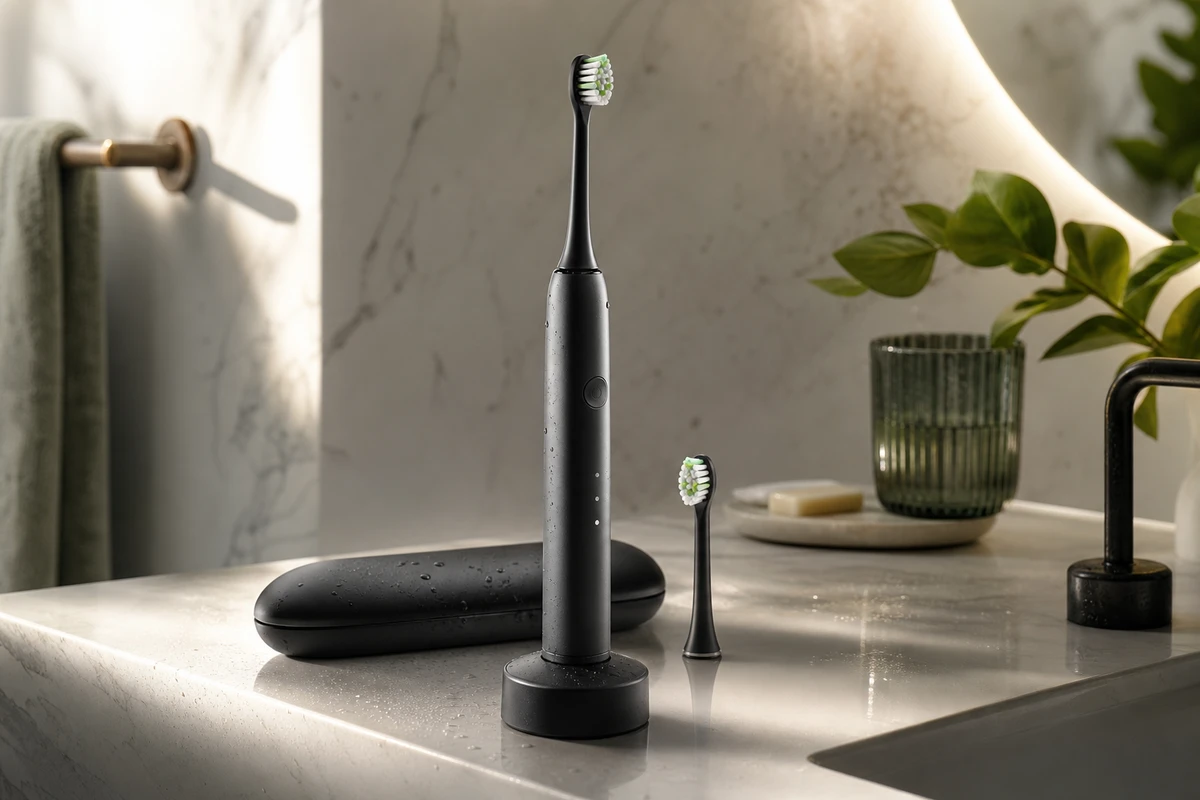
The biggest mistake home textile brands make when creating Pinterest ad videos is directly transferring product page materials: a flat image with a few bullet points. This doesn't create a desire to save the content, nor does it show the real-life effect of the product. When users see curtains, they first think, "How will this look in my home?" before considering light blocking, drape, and size. By filming in the correct order, Pinterest's inspirational browsing can naturally lead to your Shopify product page, rather than being a video that people quickly scroll past.
For the first frame of a Pinterest ad, it’s important to give users a reason to “live” in the scene.
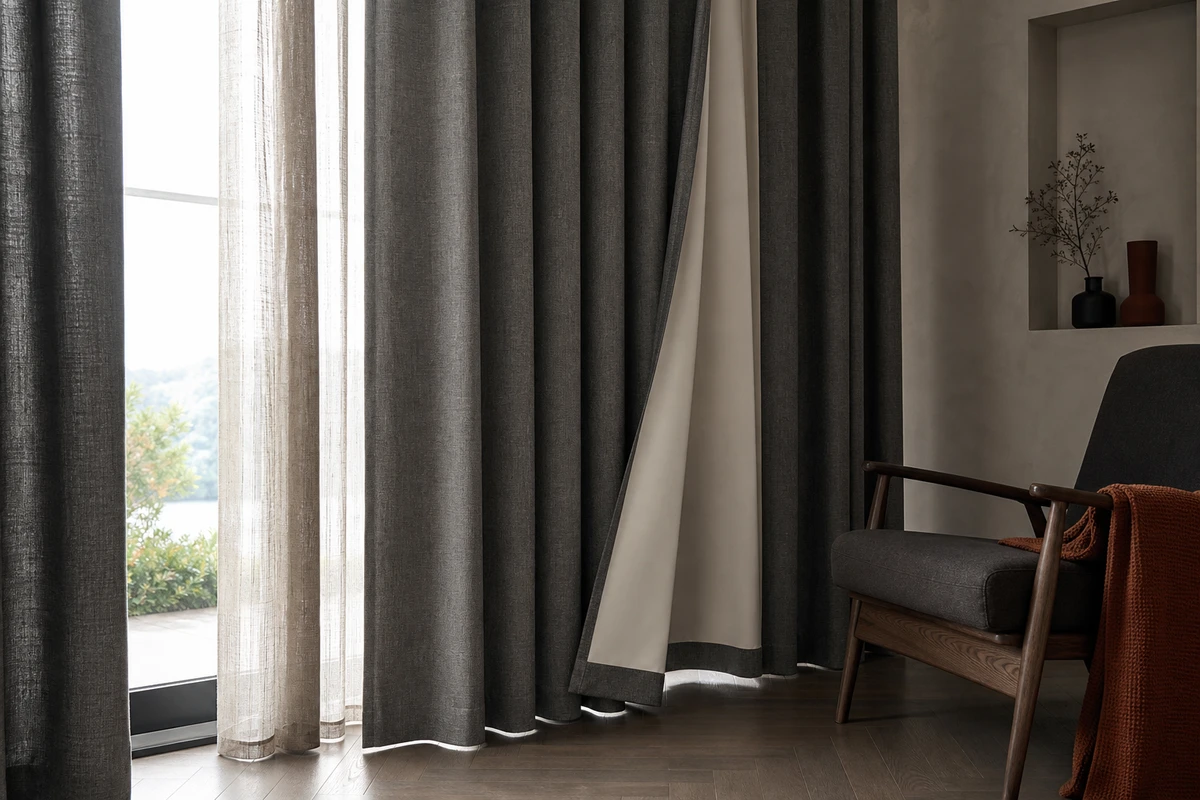
Curtains are not isolated products; they change morning light, afternoon shade, living room ambiance, and the overall mood of a room. Instead of focusing on fabric close-ups first, the initial frame should show an imagined space: morning sunlight streaming through partially open curtains, a quiet reading nook with the curtains drawn, or the interplay of light and shadow from different materials in front of the same window. This is visual impact – letting users see the lifestyle they desire before delving into product details.
Pinterest Business creative suggestions prioritize visual discovery and recommend that ads be both inspiring and useful. For home-textile brands, that means establishing the space, natural light, and the way the product solves a living problem without relying on exaggerated contrast.
Break down elements like light blocking, drape, and texture into three separate visual layers.
Give light blocking, drape, and texture different shot treatments. Show light blocking through a continuous before-and-after view as the curtains close. Use medium or wide shots to reveal the fabric’s weight and lines as it falls to the floor. Show texture in close-up with side-backlighting and fingers touching the material. Each selling point needs a deliberate choice of shot size, light, and rhythm; treating them all as the same close-up obscures their differences.
For home goods, ONCE VISUAL starts with a “space–material–action” shot list: space sets the stage and sparks imagination, material establishes quality, and action proves usability. Translate parameters into scenes users understand. Instead of only saying “80% blackout,” show how the curtain prevents glare on a screen during afternoon reading. Instead of only saying “high-weight fabric,” show the stable lines as it opens and closes and how it stays in place.
The product page should provide answers that complement the ad; don’t just copy the inspirational imagery.
A Pinterest film can establish the room’s atmosphere, but a Shopify product page must answer questions about dimensions, installation, care, and material. Shopify treats video as product media; see the product-media documentation. We recommend a separate explanation of about 40 seconds, covering window type, hands installing the curtain, opening and closing, daytime light blocking, and close-up details. Give these actions a calmer pace than the ad.
Give each film a clear role. The Pinterest ad encourages people to save and click; the product-page film answers their remaining questions. Email, retargeting, and collection pages can reuse material B-roll, before-and-after lighting comparisons, and hero frames from different rooms. Plan these as related assets instead of repeating the same wide shot of a living room.
On the day of shooting, allocate composition space for each aspect ratio.
A horizontal shot can be cropped for different placements, but the version matrix belongs in the brief from the beginning. Horizontal frames show the whole window, wall, furniture, and spatial relationships; 4:5 works for curtains and hand movement in the feed; 9:16 should focus on the hand pulling the curtain, light changes, and fabric texture inside the safe zone. Do not force a wide shot into a new ratio after production, or the drape and sense of space will disappear.
Google’s Demand Gen specifications recommend several videos in horizontal, square, and vertical formats. These are recommendations, not a requirement to use every ratio. The production principle also helps when planning Pinterest: keep the creative idea consistent while composing footage for the intended placements.
From the main shot to cutdowns: create different reasons for saving, clicking, and retargeting.
Plan five kinds of delivery from one curtain shoot. First, make a 15–20-second film that conveys the feeling of the room and encourages Pinterest saves and first clicks. Second, show light blocking before and after closing the curtains for viewers considering the product. Third, film installation and opening and closing for product pages and FAQs. Fourth, make short hooks around texture and color for tests with new audiences. Fifth, retain text-free footage of different rooms and lighting conditions for retargeting and email.
The content team should label each type of asset with "what question in the conversion funnel it answers." For cold-start testing, don't include all aspects like shading, materials, installation, and promotions at once; first, establish a clear storyline. After reviewing campaign performance, if users respond better to "afternoon sunlight," expand on that theme with more content featuring studies, children's rooms, or projection setups. If "fabric details" have higher completion rates, create versions with similar textures instead of just changing the text.
Three common mistakes in filming home textile ads.
Three approaches often fail. Empty-room footage can make the curtains look like scenery instead of the product. Excessive soft focus and filters can hide the real fabric and light. Repeated images of luxury may never explain installation, light blocking, or scale. Express quality through specific actions and materials: natural light, a hand drawing the curtain, and a visible layer of lining are more informative than ten vague adjectives.
To plan room imagery, product demonstrations, and ad versions together, browse the ONCE video-production articles. The result should give buyers ideas to save, a reason to click, and clear product explanations, while giving the curtain brand footage it can continue testing.