When choosing a cross-border video production service, look beyond the price and number of sample films. Can the team put buyer questions into the brief, turn selling points into filmable tasks and plan product-page, advertising and social versions before the shoot? Without that preparation, even a beautiful master may need repeated recutting and still lack footage for key stages of the purchase journey on Shopify, Amazon and overseas social channels.
Check How the Service Supports the Purchase Journey
Define where buyers come from, which page leaves them hesitating and what action they should take next. Someone arriving from a search ad needs to understand the function and result quickly. A cold audience on social media first needs a compelling hero visual and hook. Retargeting audiences are more likely to need details, word of mouth and a clear CTA. These differences determine what the service must deliver beyond one finished film.
Before a project, ONCE turns these questions into shot priorities: identify the buying barrier, then find evidence that can address it. The shoot can collect footage for each decision point that is editable, testable and reusable, with less dependence on ideas improvised on the day.
Write a Task-Based Brief
“Premium,” “technical” and “international” can describe a direction, but they do not define a task. An effective brief identifies the search question behind the primary keyword, the core audience, setting, essential selling points, misconceptions involving competing products and delivery channels. For a smart pet device, decide whether the footage should explain convenience, the pet’s adjustment to the device or management in a multi-pet household. Then arrange when the product, person and action appear.
When selling points remain only in the copy, the shoot can produce plenty of attractive environmental cutaways while missing the operation that helps someone decide to buy. Write each selling point as a concrete task: who performs which action, in what setting, and what must the viewer be able to see? That gives the director, camera team and editor the same plan.
Agree on Four Things Before the Shoot
First, define the visual hook for the opening 3 seconds. Second, give each core selling point a continuous sequence of actions. Third, mark safe compositions for landscape, portrait and square versions. Fourth, agree on the deliverables: the master, product-page clips, advertising cutdowns and asset library. Each shot needs a destination; a longer storyboard alone does not make the plan more useful.
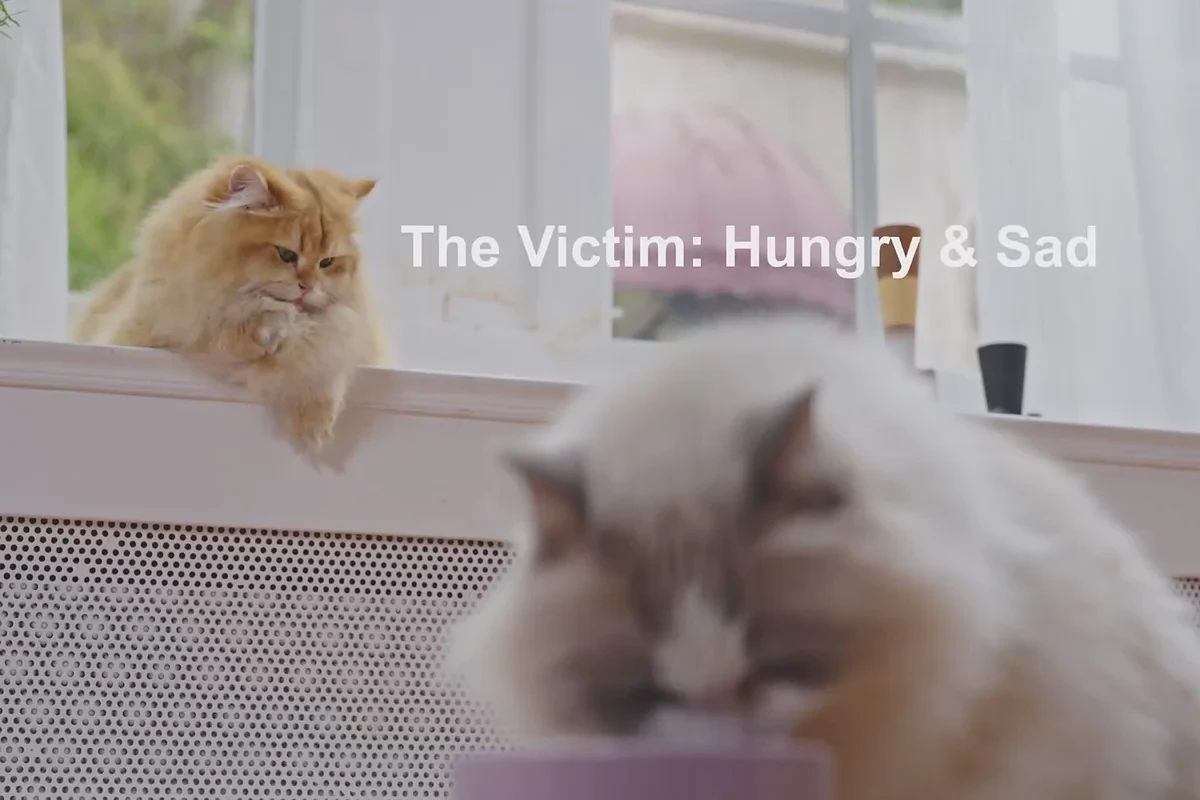
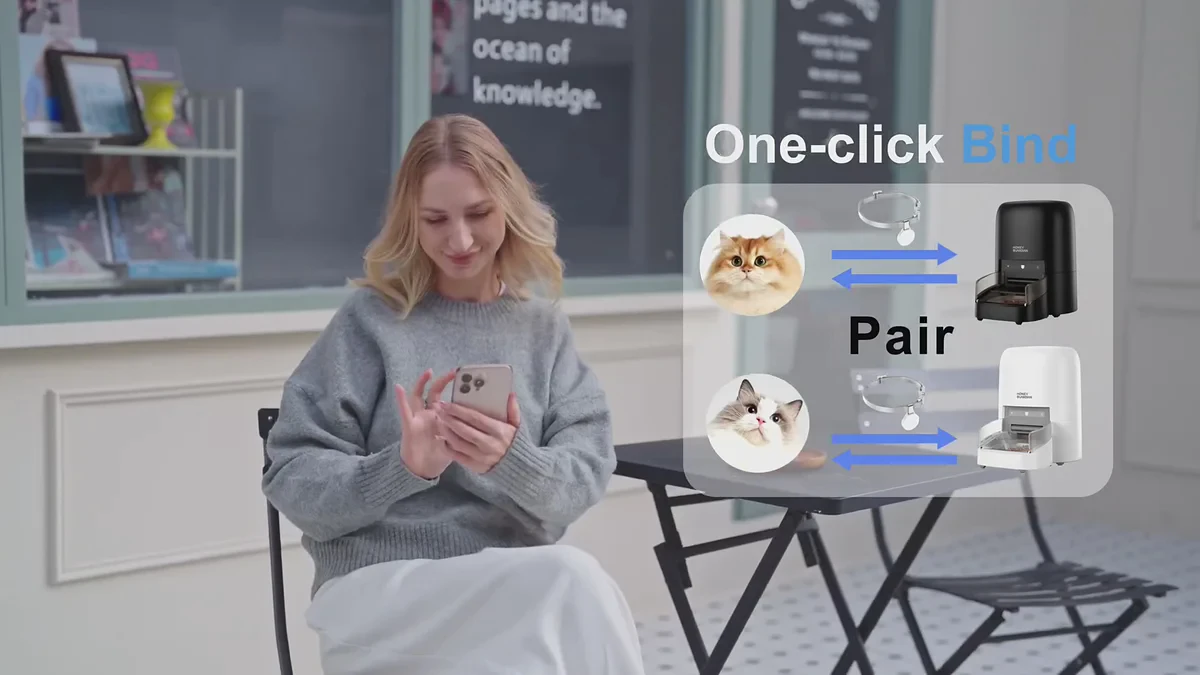
The HONEY GUARDIAN smart feeder case places the device within the relationship between pets, time and care, rather than treating it as an isolated still life. Viewers first understand the everyday routine, then the value of automation. Choosing that order is part of the service team’s work at the script stage.
Plan the Master, Product-Page Clips and Ads Together
A brand may receive a 60-second master and only then discover that the product page lacks shots that work without sound, the ads lack openings for different selling points and social channels lack safe portrait compositions. Build the asset matrix before filming. The master carries the full story, product-page clips make operation easier to understand, 15-second and 6-second cutdowns test hooks, and stills support landing pages and email.
Consult Shopify’s product media guidance while considering how video supports the product information and purchase journey. Pair that planning with filmable, editable shot tasks, so adapting aspect ratios does not repeatedly remove key information in post-production.
Judge Sample Films by Their Product Demonstrations
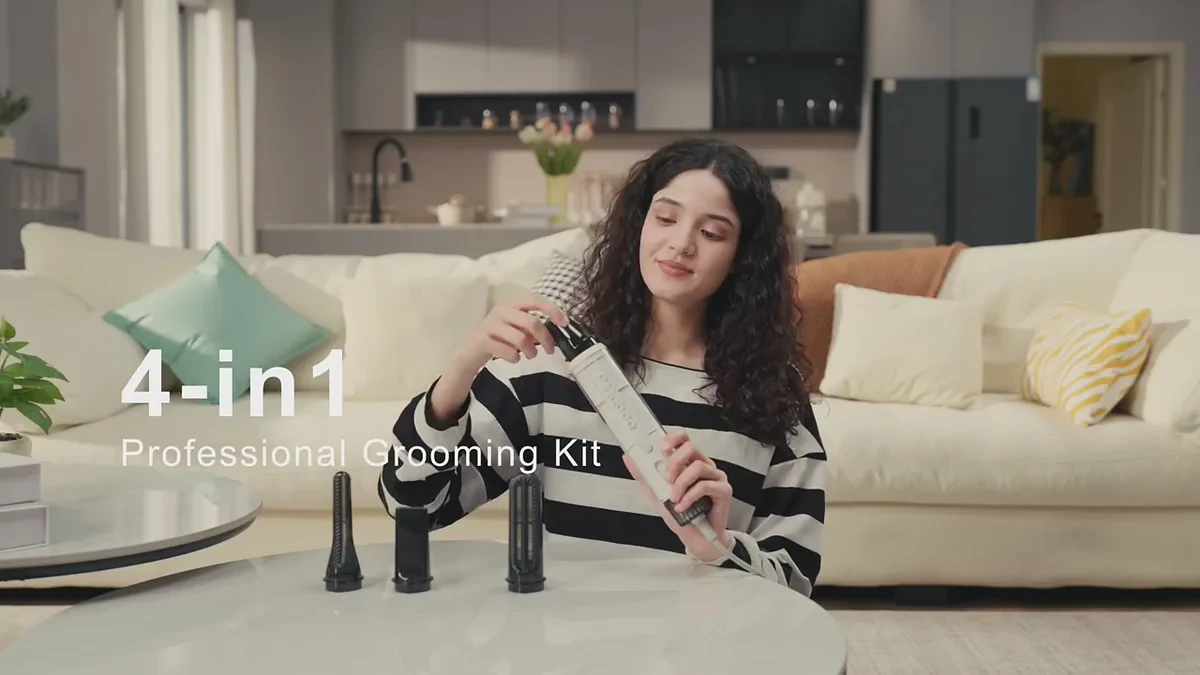
When reviewing a provider’s work, look beyond the grade and pause where the product is being used. Are the hands clear? Does the action support the selling point? Can you immediately understand the relationship between person, product and setting? The Petaboo handheld pet dryer case uses the grooming process to explain the product’s role, showing the device, the operation and the pet’s condition together. That continuous relationship can answer more of a buyer’s questions than a succession of rotating product shots.
Check Readiness for Launch and Reuse at Acceptance
Before launch, check the opening hero visual, evidence for each selling point, comprehension without sound, subtitle and CTA safe zones, complete product information in landscape, portrait and square versions, and access to usable source footage for future work. Assign each ad version a role early. Amazon Ads’ Sponsored Brands information can inform planning for search and product-detail placements. Separately consider what retargeting audiences need and confirm the selected ad product’s capabilities, so delivery covers distinct uses rather than one universal version.
The value of cross-border product video production extends beyond the shoot day. A master, cutdowns, stills and accessible raw footage from the same production can give the next campaign a faster starting point for testing.
Use Three Steps to Choose a Production Partner
Give the candidate team a real product and channel objective, then see whether it asks useful questions about buying barriers. Next, request a one-page brief or an example linking a selling point to shots, to judge whether the strategy can be filmed. Finally, confirm the delivery list, number of versions, revision boundaries and asset-archiving method. A team that can explain these three steps clearly is better prepared to keep the shoot focused and collect evidence that helps build trust with overseas buyers.
If your product pages, advertising and brand content are being updated together, bring your existing assets and next campaign’s objectives to ONCE. We can work through selling points, scripts, storyboards and the asset matrix to plan footage that continues supporting buying decisions after the first delivery.
Once the brief and acceptance criteria are clear, explore the production scope of ONCE, a cross-border video production team in Shenzhen.