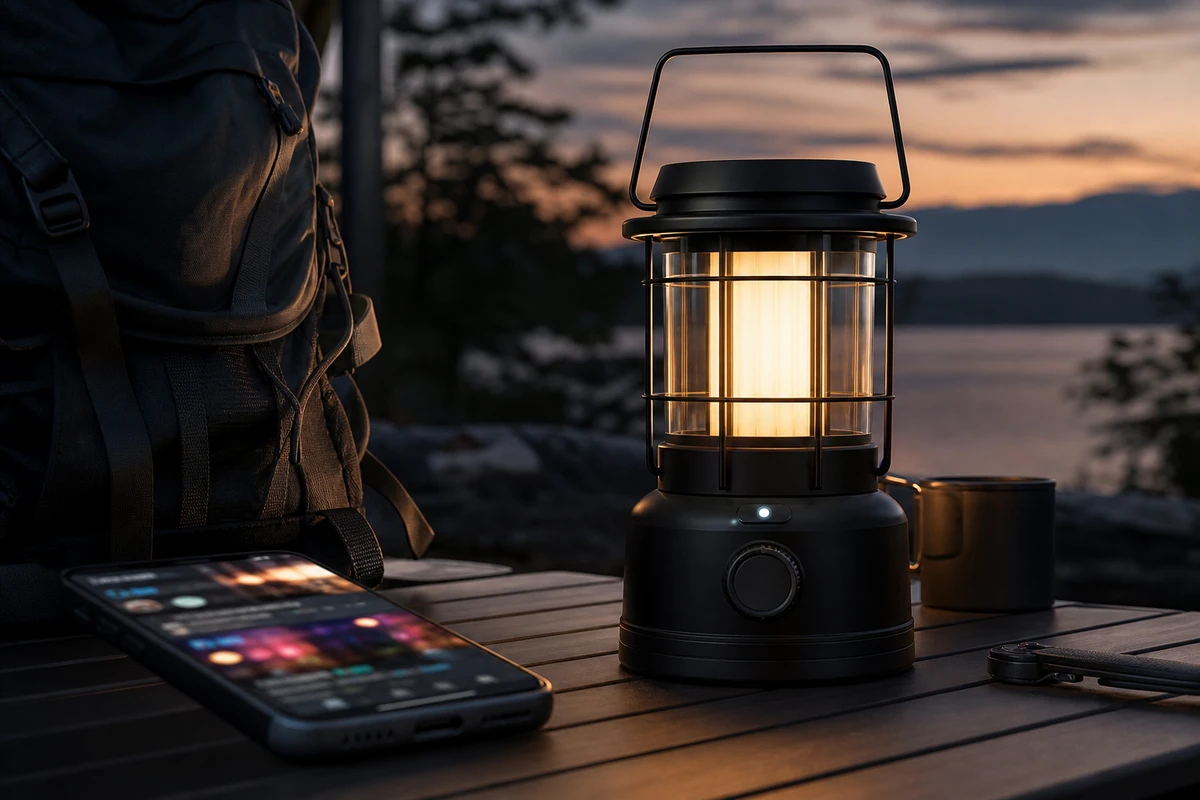
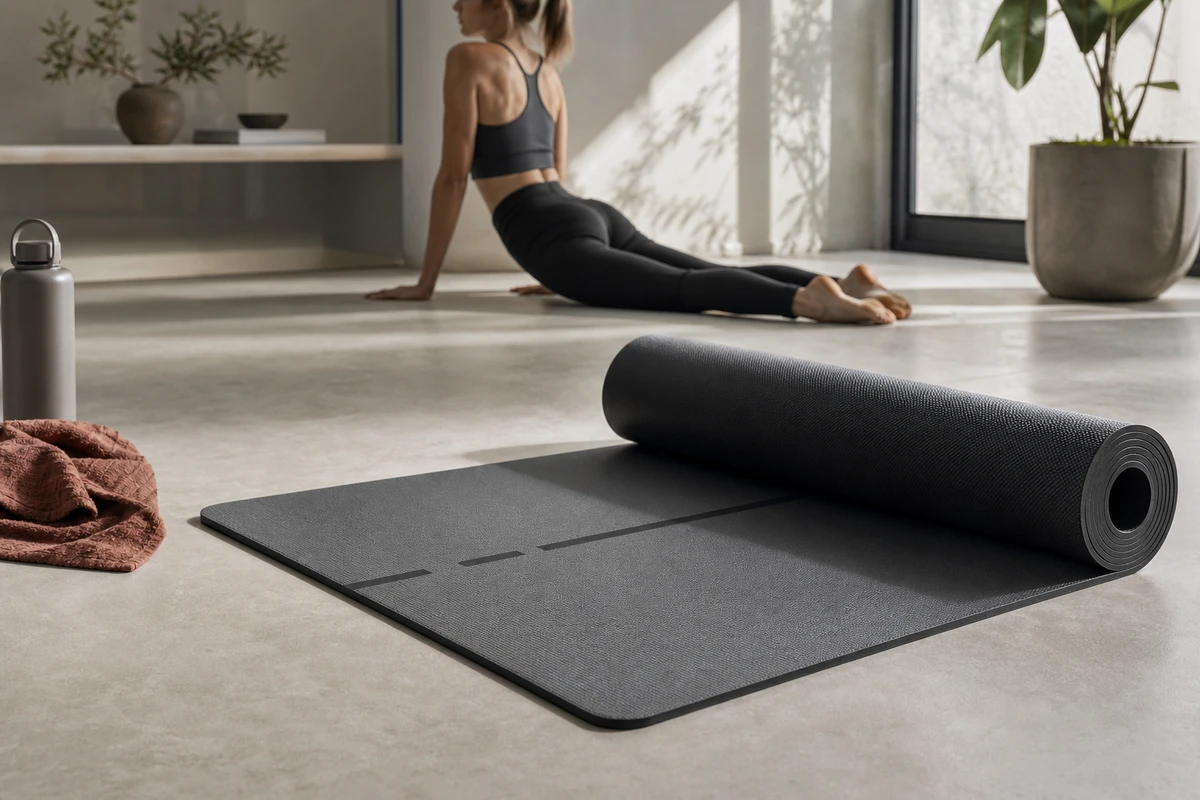
Fragrance Reels can look beautiful while leaving viewers unsure where the product belongs in their lives. Scent is invisible, and slow motion alone cannot explain it. Build footage around space, mood, and daily habits: the first frame establishes a situation, the product page explains fragrance notes and use, and repeat-purchase ads recall that particular moment.
Give the Scent a Visible Everyday Setting
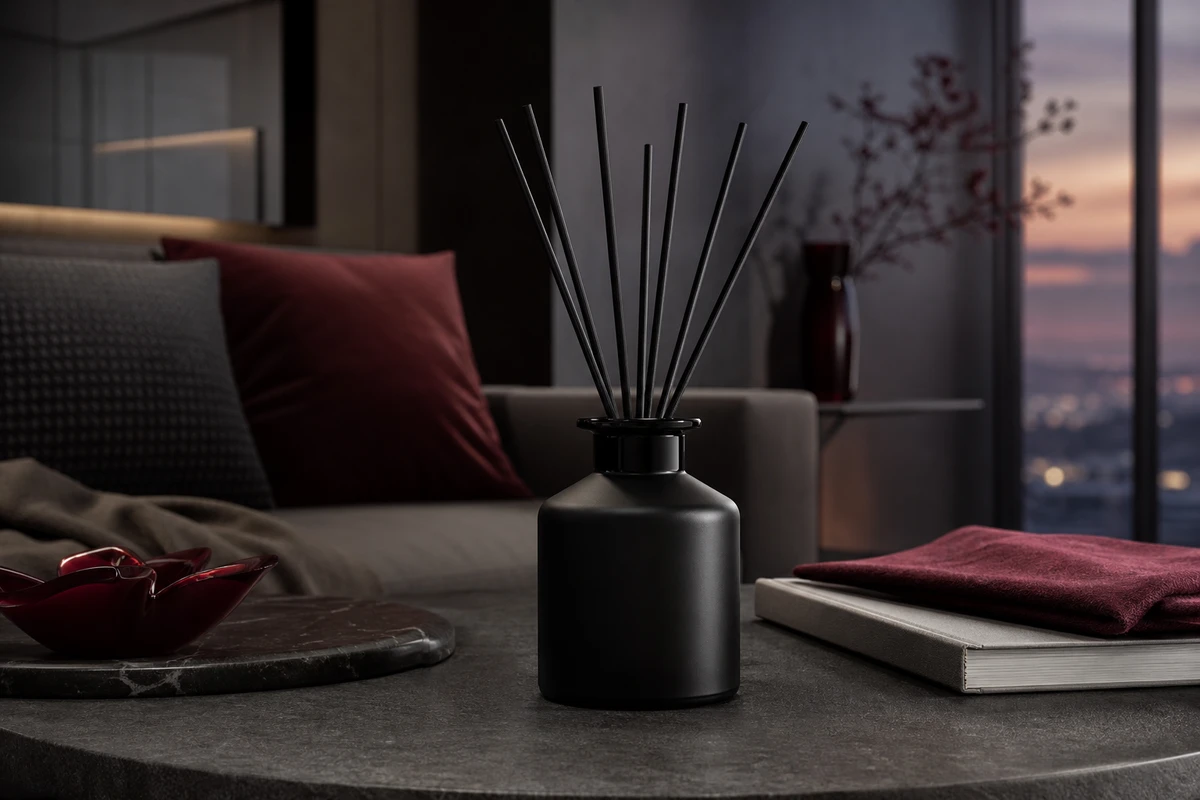
A fragrance brief needs to go beyond ‘woody notes’ or ‘relaxation.’ Ask when someone lights a candle or opens a diffuser: the ten minutes after coming home, before friends arrive, during nighttime reading, or while tidying the room at the weekend. Each is a filmable user insight. A clear setting gives the story an angle, such as moving the living room from work time into rest time. It also helps choose the visual hook: twilight at the window, a coat coming off, or a small lamp turning on.
Open With a Clear Product Action
The first three seconds might show reeds going into the bottle, the cap being unscrewed, a diffuser placed in the entryway, or a book and cushion entering the frame. Keep the action brief and readable without sound, then develop the space and the scent associations. Keep the bottle visible through any atmosphere or set dressing. The cover should let people recognize a specific home product before they open the Reel.
Give the Hero Frame and Mood Shots Different Jobs
The hero frame should show the bottle’s material, capacity, and position clearly. Mood shots can then establish sunset light, cushions, making the bed, or quiet after dinner. Plan four shot tasks—bottle close-ups, medium views of the space, hand actions, and changing light—so the product information remains clear as the atmosphere develops. Those elements can support bedroom relaxation, welcoming guests in the entryway, and gift-unboxing versions from the same setting.
Plan Reels for Both Viewing and Advertising
Meta’s Reels advertising guidance is a reference for portrait video, audio, and safe-zone planning. Compose the product and text within a 9:16 frame during filming. Check Instagram’s Reel promotion requirements before boosting the full-screen 9:16 version, including the current duration and eligibility conditions of that workflow. For this brief, prepare an atmospheric sound-on version and an action-led version that remains understandable when muted, so editors have suitable material for both browsing and short advertising cuts.
Build Testable Versions From the Main Film
Capture at least five asset types: opening actions, bottle and reed details, the room’s mood before and after use, daily habits, and gifting or refill cues. Build a 6-second hook, a 12-second situation cut, a 15-second fragrance-and-space version, and a 20-second repeat-purchase version. Try two or three openings around the same visual hook. Compare the first action, room type, and timing of the product’s appearance alongside any music changes. Creative fatigue may mean that the audience has already understood the same promise and needs a different reason to engage.
Market versions need more than new subtitles. A North American entryway, a small European living room, holiday gifting, and an everyday refill are possible contexts to research, rather than assumptions about every household. Keep the product action and spatial mood consistent, then adapt the hook, props, and text position for the intended audience. The main film retains its identity while the media buyer gains useful variables for A/B testing.
Turn Scent Associations Into Reusable Footage
ONCE VISUAL first turns scent descriptions into settings while avoiding promises that footage cannot substantiate. Organize the library at three levels—product, action, and space—so creative teams, editors, and media buyers can find the same material. The main film can establish a visual language, with cutdowns for launches, holidays, repeat purchases, and retargeting. To plan Reels together with product pages, email, and overseas social campaigns, start with ONCE VISUAL’s video marketing services. Give every shot a defined role in the customer journey.
Keep the cover, first frame, and landing page’s first screen consistent. If a Reel shows the diffuser in a restful entryway, the linked page should immediately show the same product with related spatial cues. That continuity makes it easier for the viewer to recognize what they came to learn about.