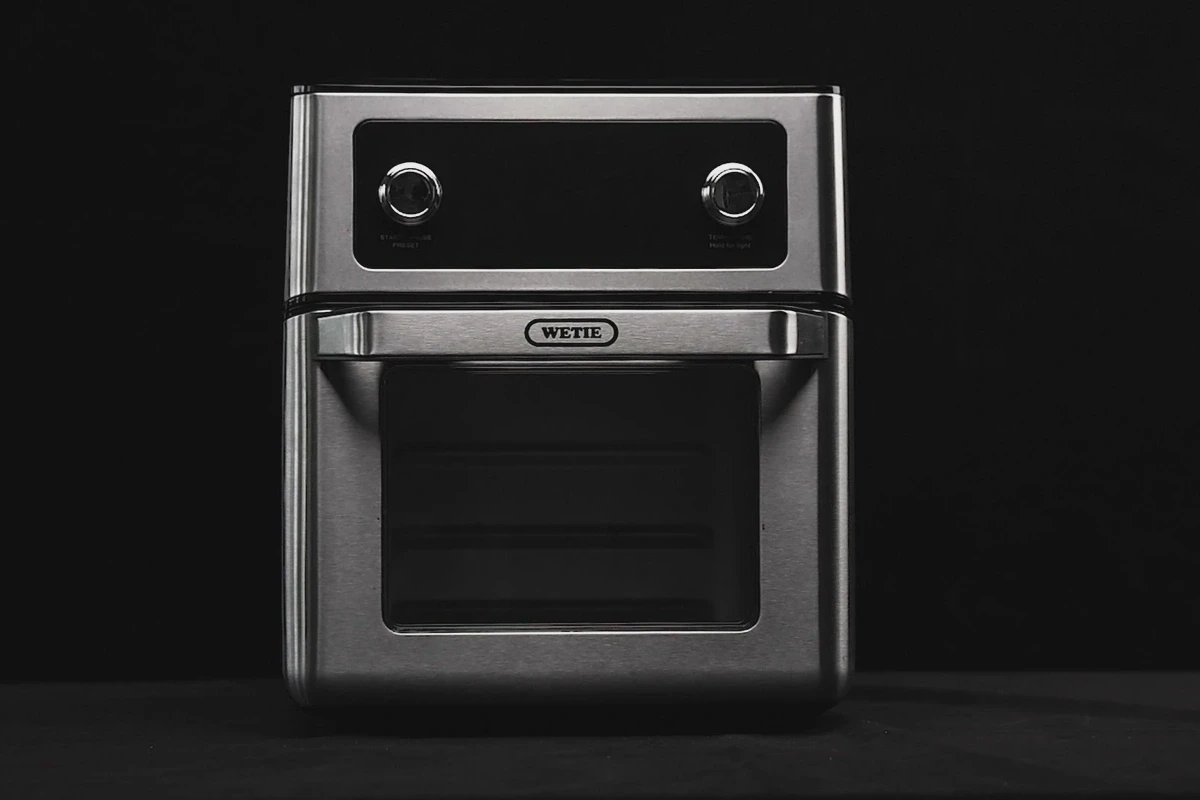
The most common mistake on set is often not the tent itself but the sequence. As soon as the pump connects to the valve, clients usually want to see the wide lakeside shot first; yet what the edit really lacks are three moments viewers can understand: how inflation starts, when the structure takes shape, and how people use it inside.
When comparing Shenzhen short video production companies, my preference is clear: first capture usage relationships as evidence, then let outdoor ambiance add value.Ambiance shots can wait; cause-and-effect action cannot.This trade-off comes from an ONCE public case study. WISE TIGER: Outdoor Space Demonstration of a Modular Inflatable Tent This visual breakdown also implies an honest limitation: the screenshots below only illustrate how shots are organized and do not attest to the tent’s inflation speed, load capacity, waterproofing, or client campaign results.
Case study first: three state transitions are more useful than a single scenic wide shot
The actionable insight in this WISE TIGER case lies not in the word outdoor but in the state transitions. Viewers first see the connection action, then the tent taking shape, and only afterward a spatial scene they can imagine in daily life. For product pages, overseas short videos, and brand films, this sequence is more reliable than opening directly with scenery: the edit has clear cause and effect, and approval teams have verifiable visuals to review.
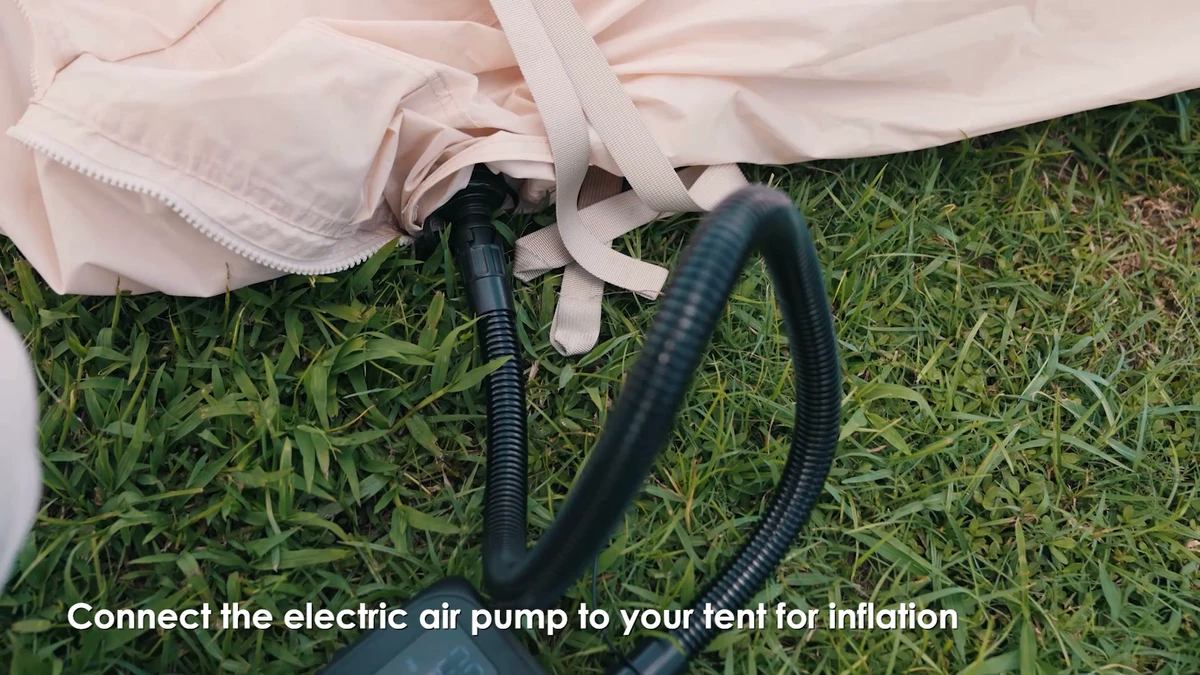
Frame one: inflation action gives the first second cause and effect
At approximately 00:09 in the case video, the connection between the air pump and the tent valve is clearly visible. It isn’t glamorous, but it serves as a valid initial evidence shot: viewers know where the action begins. When filming this frame, avoid rushing into dramatic camera movement; keep the pump, connector, and tent edge within the same composition and leave some space for hand operation so the action can be edited into a complete sequence in post.
Frame two: completed state provides an editing anchor point
The formed-state shot at approximately 00:54 addresses another issue: what state the product enters once the action is complete. There’s no need to explain every structural detail here, but include a stable wide or medium shot so the editor knows where to land the cut from inflating to ready for use. The value of this shot is continuity, not proof of weather resistance, load capacity, or interior volume.
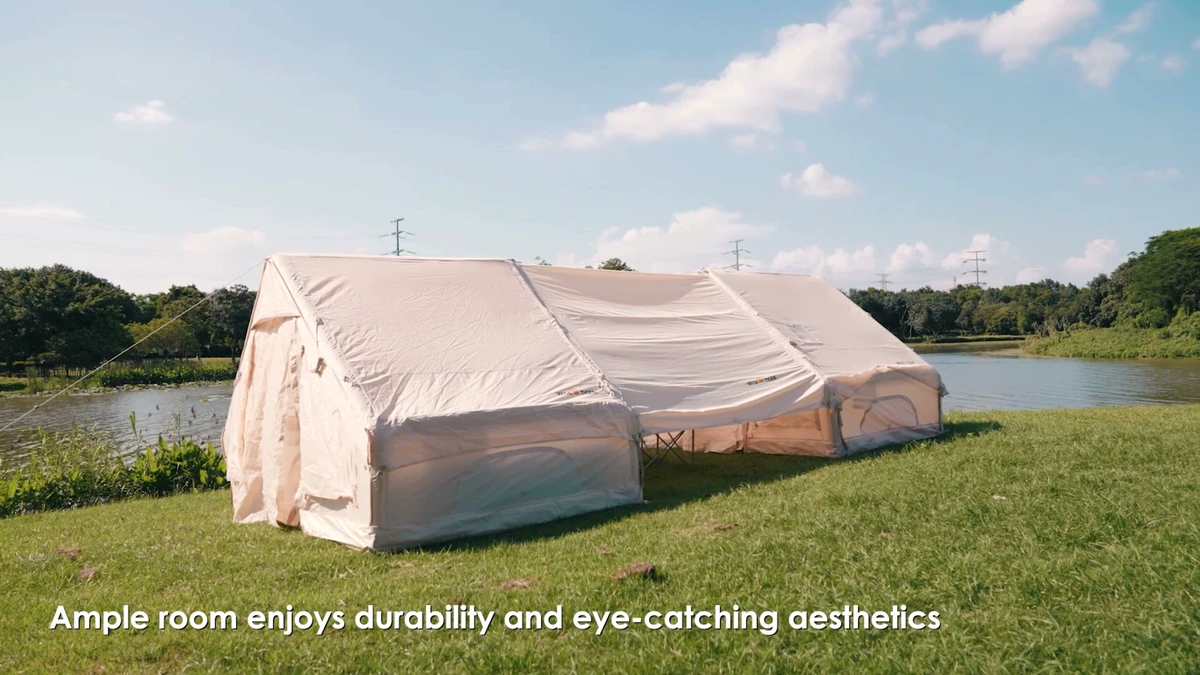
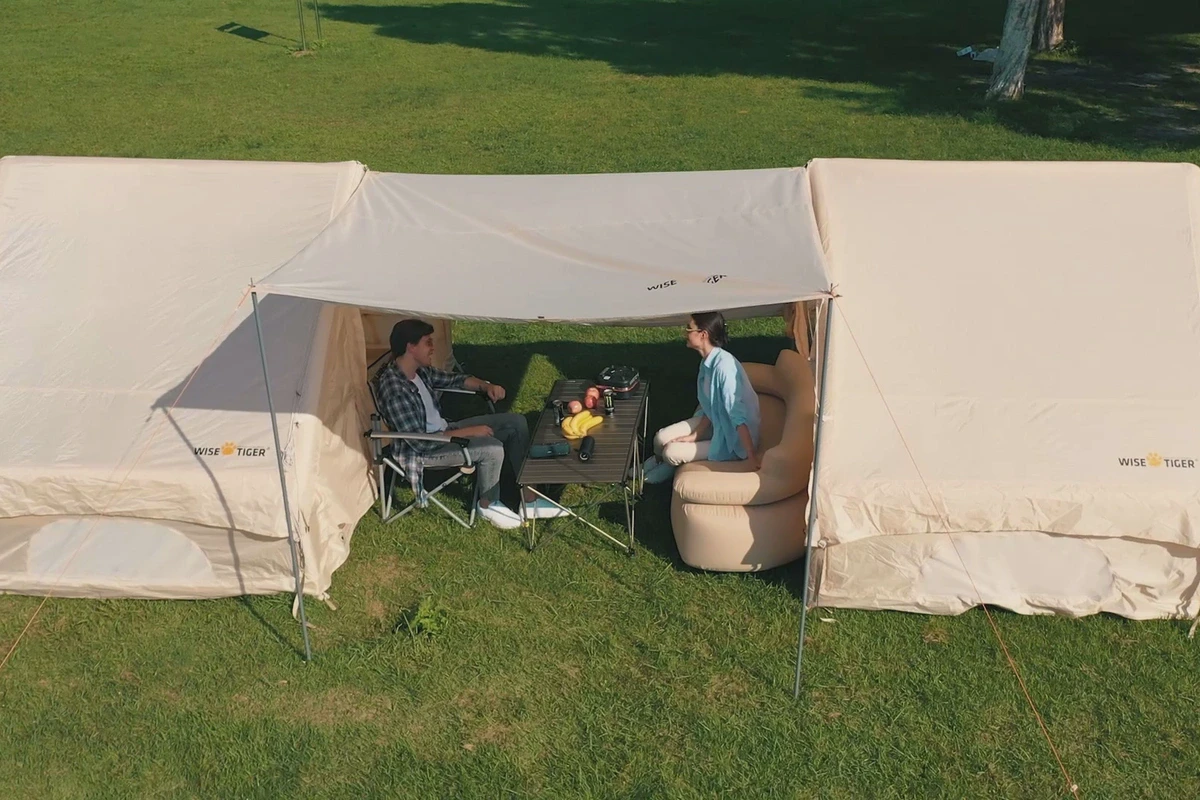
Panel 3: Spatial relationships—overhead shots serve a purpose beyond showing off technique.
The high-angle shot at approximately 01:18 frames the tent, people, and waterfront together. Its goal is not to make the scene look grand, but to help viewers understand the scale relationship between the product and people. A high angle, slight push-in, or clean lateral track all work; the key is keeping the tent’s outline intact and ensuring camera movement does not push spatial boundaries out of frame. This suffices for a product page video; only add an emotive environmental tracking shot if producing a brand film.
Production workflow: Assess whether the team can coordinate camera movement, lighting, and delivery sequence effectively.
The focus should be on whether camera movement conveys information to the viewer, not which stabilizer is used. ARRI’s TRINITY tech page lists height adjustment, tilt, and continuous motion as capabilities; applied to this inflatable tent shoot, I translate this into simpler decisions: use static or short push-ins for action, stable medium shots for the completed state, and reserve high angles or orbits for establishing spatial context. Gear can change, but the information hierarchy must remain consistent.
Lighting follows the same logic. In studio shoots, white tent fabric often reflects ambient light into flat, textureless gray. Aputure’s Nova P600c Space Light specs note that diffusion creates broad soft light while skirts reduce spill for greater directionality. This is not a specific gear recommendation; the practical approach is to first establish interior-exterior brightness balance with the key light, then use negative fill (flags or black cloth) to eliminate unwanted reflections, separating the outline, entrance, and human movement. For outdoor shoots, prioritize sun direction and background brightness rather than relying on post-production filters to fix exposure issues.
Trade-offs must also be addressed upfront. Inflation sequences require continuity; crossing the line with pumps, hoses, or hand positions necessitates reshoots. Resetting the scene is required for completion shots. High-angle spatial shots increase setup time, safety requirements, and wrap duration. If the budget only covers a 15-second product video, I prefer locking down the first two panels; allocate extra budget for Panel 3 and atmospheric shots only if a brand film or trade show visual is needed. If the shot list fails to clarify this, even an attractive quote will lead to rework during delivery.
Actionable Tool: Three-Panel Vendor Acceptance Shot List
Insert the table below directly into briefs, storyboards, or review notes. When comparing Shenzhen video production companies, ensure each panel answers only one question, avoiding shots that simultaneously attempt to demonstrate usage, aesthetics, and performance.
| Shot Frame | Required Visuals | On-Set Action | Acceptance Criteria |
|---|---|---|---|
| Start | Pump, interface, product edges | Lock-off shot of connection, plus a hand close-up insert | Action start point must be clear; do not claim inflation speed |
| Complete | Full silhouette and environmental placement | Lock the medium shot to maintain the formed state and consistent lighting. | Clearly show state changes without claiming load-bearing or weather resistance. |
| Usage | Human scale, entry points, and spatial orientation. | Use a high angle or short push-in only once, maintaining safe framing margins. | Clearly convey usage relationships without claiming capacity or conversion results. |
When reviewing footage, add a 'Keep or Cut' column. If the first frame clearly establishes the action and the second connects logically, the third may serve atmosphere; if the first two lack clarity, provide visual evidence first—do not mask gaps with slow motion or music.
FAQ: How to compare Shenzhen short-video production companies, and common on-set bottlenecks.
How to compare Shenzhen short-video production companies: Must the entire inflation process be filmed?
Filming from empty to full is not required, but at least one identifiable node—connecting action, air intake, or structural change—must precede the final formed state. This ensures editorial causality so viewers do not see a tent appear out of nowhere.
With only a studio and no lakeside or campsite, how can you convey usage context?
First, capture the action and final setup shots in-studio, using floor texture, entrance direction, and human scale to clearly define the space; outdoor ambiance can be added via supplementary footage or omitted entirely. Establishing functional context matters more than swapping the background for scenery.
Should models enter the tent?
It depends on the objective. If demonstrating scale and entry method is required, people serve as useful reference points; if showcasing structure only, adding talent increases coordination, privacy concerns, and disclosure reviews. Clearly define the actions assigned to talent before deciding whether to include them.
When product page assets and TikTok Shop short videos must be delivered simultaneously, how should shots be planned?
First, shoot actions and final states that can be cropped for both horizontal and vertical formats, then capture spatial shots with safe zones; handle subtitles, intros, and music versions as separate post-production branches. Avoid cramming all information into a single 9:16 frame from the start.
References and Usage Boundaries
- Aputure|Nova P600c Space Light: Used to verify technical limits of soft light diffusion and spill control; accessed 2026-08-01.
- ARRI|TRINITY: Used to verify the relationship between camera height, tilt, continuous movement, and shot objectives; accessed 2026-08-01.
Case screenshots in this article are sourced from `D:\Website\SEO Image Asset Library` with explicit user authorization, corresponding to Public Case 265. The asset library is currently tagged as Candidate/Pending Visual Review; this article has completed visual-level privacy, brand visibility, and client disclosure checks, but the images serve editorial illustration only and do not constitute proof of copyright clearance, product performance, client results, or platform compliance.
If your samples also face challenges like complex movements, hard-to-explain spatial features, or the need to deliver multiple versions in one round, feel free to send us your sample status, required shots, and target channels first.Get comparisons of Shenzhen short video production companies and filming recommendations.Alternatively, you can first view the ONCE VISUAL video production homepage and cross-border product video production servicesto confirm the supporting page roles and service scope referenced in this article.