In review sessions, the easiest material to cut is often not dialogue but waiting: a coffee machine warming up, a cleaner finishing a cycle, a power bank reaching stable output, or a lamp moving from button press to its target brightness. Compressing those moments into a jump cut makes the film feel faster. But when the product's value happens during the wait, an aggressive edit can also remove the information people need to judge it.
Time in a product ad is more than a runtime issue. It shapes how viewers understand effort, performance claims, and the rhythm of actual use. Good compression does not erase every wait. It preserves the moments that explain the product and shortens the stretches that add no new information.
Field note: what disappears when coffee takes three seconds
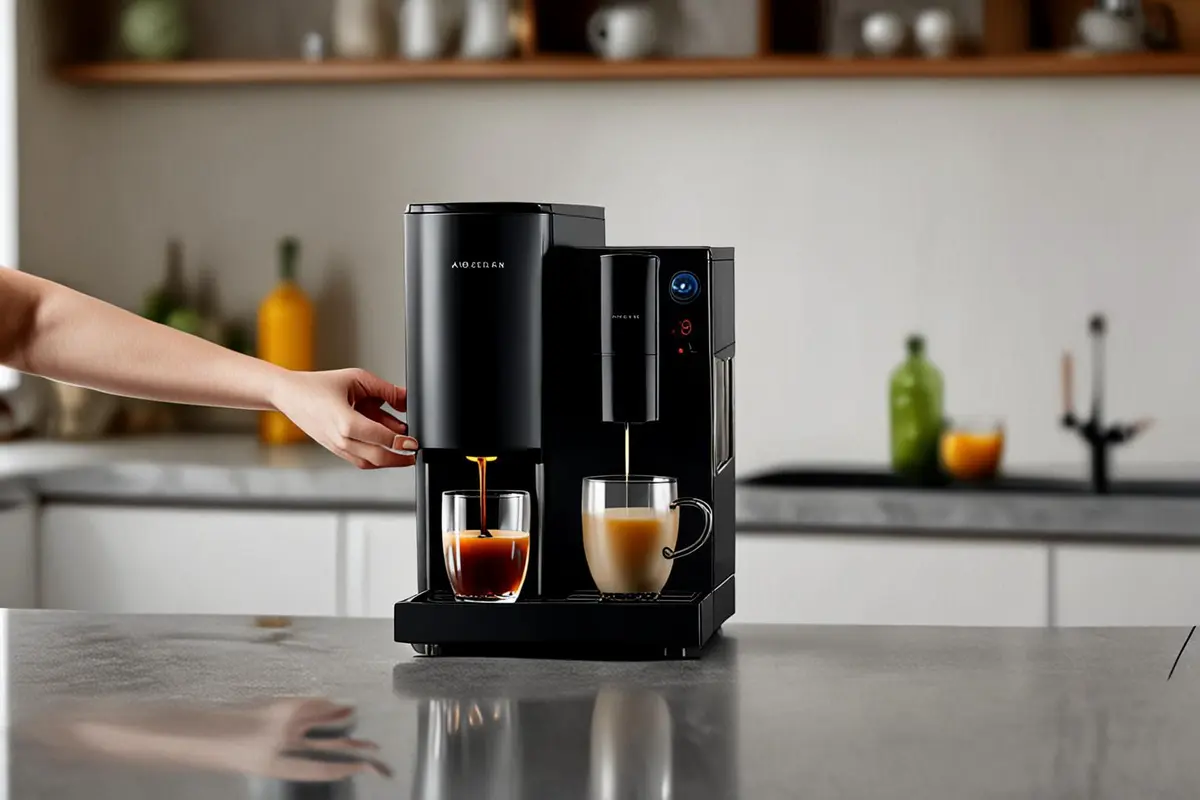
Imagine a shot of a capsule being inserted, followed immediately by coffee entering the cup. The viewer learns that the machine makes coffee. They do not learn whether it needs to warm up, when they can walk away, whether the sound will disrupt a quiet morning, or how clearly completion is signaled. That omission may work in a mood film. In an ad that must explain the product, it may remove the information that affects a buying decision.
This is why one product can need two versions of time. A brand film can use the result to create desire. A demonstration needs to make the critical process readable. Before editing, the team should decide whether the film is primarily creating an emotional expectation or helping someone understand a real use cycle.
Waiting is where some product value happens
Many products create value over time. A heating appliance may promise fast and stable temperature control. A robot cleaner may earn trust by completing work independently. Skincare devices, chargers, and air purifiers also need a process before the result appears. If the edit keeps only the start and finish, viewers see the outcome without seeing how the product gets there.
Apple's Human Interface Guidelines for progress indicators distinguish determinate progress from indeterminate activity and advise teams to report known advancement as accurately as possible. The guidance is written for interfaces, but it offers a useful production test. When a product has clear stages, the film should show real stages. When duration cannot be predicted precisely, show that work is continuing instead of inventing a percentage or countdown.
Separate three kinds of time first
Interaction time is the work the user actually performs, such as loading a consumable, selecting a mode, or pressing a button. It answers, "How much do I have to do?"
Run time is the period when the product works on its own: heating, cleaning, syncing, or rendering. It answers, "How long do I wait, and can I walk away?"
Perceived time is the rhythm viewers infer from sound, light, motion, and state changes. Ten seconds with no feedback feels long. The same ten seconds with readable stages can feel reassuring. Product edits become misleading when perceived time is used to conceal interaction time or run time.
What can be compressed
Repetition no longer adds understanding
A brush may sweep ten times, a status light may repeat the same pulse, or liquid may keep flowing after the mechanism is already clear. Once viewers understand the action, the middle can be shortened. Show the first cycle in full, then use rhythmic cuts, a sound bridge, or a visible environmental change to move through time without breaking cause and effect.
The product is stable and needs no intervention
If the middle of a cycle introduces no new task, risk, or state, compress it with a clear sign that time has passed. Daylight can shift, a background character can finish another action, or a fixed composition can show the status indicator advance. The transition should explain that time passed while the product kept working.
Even when the middle is shortened, preserve the start, a meaningful threshold, and the completed state. Those points tell viewers what triggered the process, what changed, and when the result became available.
What deserves real screen time
Speed is the benefit or the risk
When an ad says "fast heating," "charged in a short time," or "automatic completion," time becomes an objective performance claim. For advertising aimed at the United States, the FTC's Advertising Substantiation Policy Statement says advertisers need a reasonable basis for objective express and implied claims before dissemination. The production implication is practical: a jump cut, false countdown, or continuity error should not imply unsupported speed.
These shots should align test conditions, visible timing points, and the result. A film does not have to play the entire process in real time, but its compression should not alter a reasonable interpretation of performance.
The wait determines whether someone can walk away
For some products, the decisive experience is predictability rather than speed. A clear completion signal, a recoverable pause, or an obvious consumable warning can determine whether a user trusts the product enough to do something else. Give these signals a breath of screen time so the chime, light, or physical stop can actually register.
Make time perceptible without covering the frame in timers
The strongest signs of time usually come from the product itself: water changing temperature, steam appearing, a motor settling into a steady sound, an indicator changing color, or a surface becoming dry. These details are closer to real use than floating numbers, and many remain understandable when the ad plays without sound.
Treat that feedback as a sequence. Show the user trigger, the product response, what the person or environment does during the wait, and the completion signal. Pair this with readable hand performance. When a status change needs a close view, use the principles in our guide to keeping scale in macro product shots.
The edit should promise understandable time
A product ad does not need to reproduce every second of a real cycle. It needs to make four things clear: what the user did, when the product took over, what happened during the wait, and what signaled completion. When those points are readable, the middle can be compressed boldly. When one remains unclear, give the key action another half second.
If your product creates value through heating, charging, cleaning, syncing, or waiting, ONCE can map the real use cycle at script stage and turn its critical moments into product content that is clear, editable, and reusable. Talk with ONCE about time design for your next product video.