By the third day of a campaign, an electric scooter video may still attract clicks while visitors keep asking whether it can be ridden in rain, how difficult it is to fold and how reliably it brakes. More specifications alone will not answer those questions. Turn them into visible demonstrations supported by the product’s verified capabilities. Breaking down the concerns properly helps a cross-border brand use its video on an online store, in Amazon search and in short creative tests on overseas social channels.
Break Purchase Concerns into Three Questions
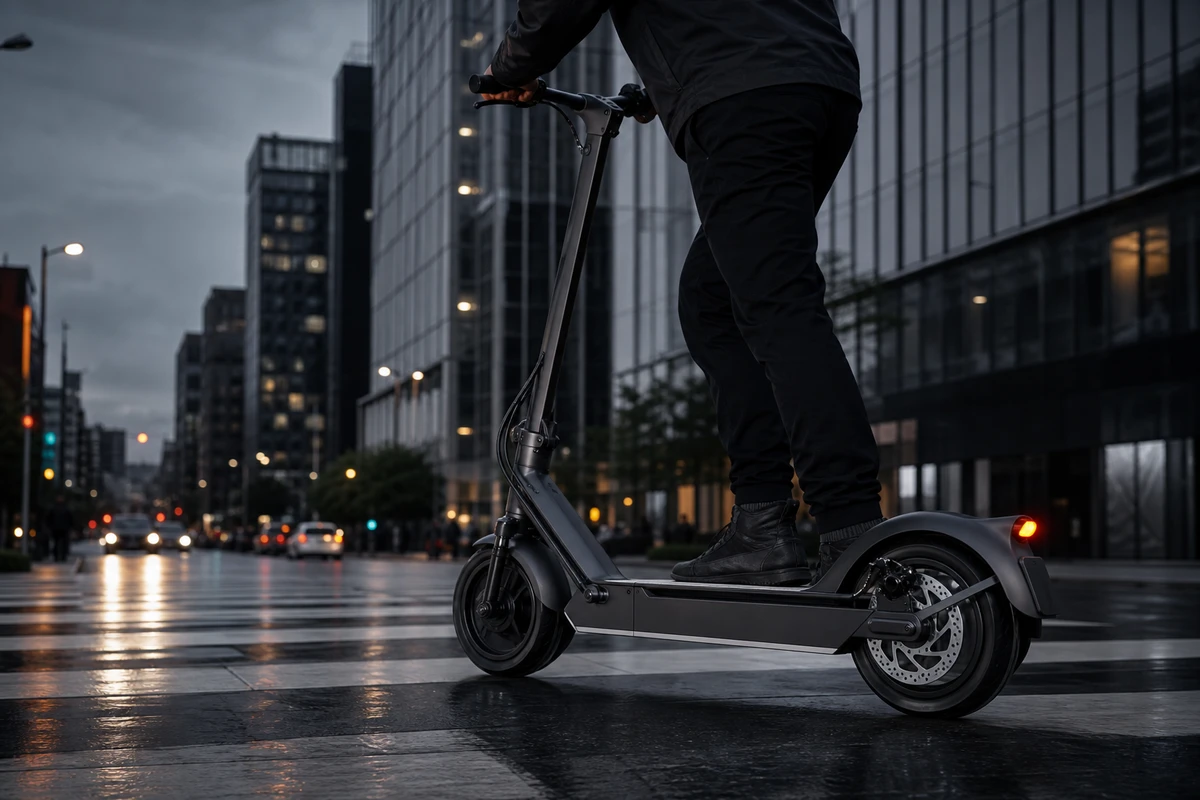
An electric scooter needs more explanation than a tabletop beauty shot. Buyers want to know whether they can slow down safely on a commute, fold it conveniently for an elevator or car trunk, and use it confidently as daylight fades or road surfaces become damp. Brands often arrive with motor, range and material specifications that have yet to become understandable use scenarios. Plan braking and wet-weather demonstrations within the manufacturer’s documented operating conditions; footage alone cannot establish a safety claim.
ONCE writes each selling point in the brief as a question, an action and a result. To explain stable braking, a low camera angle can follow the front wheel, brake light and the rider’s shifting center of gravity. To explain folding, show a continuous action from the office doorway to the car trunk, rather than a posed open-and-close motion. Before arranging a reshoot, identify what viewers actually need to see to assess the claim.
Write the Shot Tasks Before Filming the Specifications
An effective hero film needs at least four kinds of shots: a memorable hero frame that identifies the product, an operation shot that explains its structure, a lifestyle scene showing how the buyer might use it, and a close-up that conveys finish and texture. The first-second hook might show controlled braking on a damp surface, only if the product’s operating guidance and safe shoot conditions permit it, or the folded scooter being lifted easily. It does not need to be exaggerated; it needs to address a frequent concern directly.
Avoid a script that simply moves from appearance to specifications to an ending. A more useful story angle compresses a commute into a small sequence of tasks: leave home, cross an intersection, enter the building and put the scooter away. Each shot then has a selling task and can support 6-second, 10-second and 20-second cutdowns, rather than a master shortened arbitrarily.
Let Use Reveal the Selling Points in the Main Film
Use the first five seconds for real actions under the planned, permitted conditions: stepping onto the deck, riding past reflections on a wet surface and braking smoothly. Then move into functional evidence: feedback as the folding joint locks, hand movements on the handlebar and brake, and how the tires move across different surfaces. Finish with a product still life and a CTA. This order gives the product page clear points of evidence and explains use more directly than a sequence of lighting effects.
Amazon Ads’ product video guidance calls for a prominent product and emphasizes features in real use. That is a useful reminder to give the product as much attention as the performer. Putting the scooter away after work can be an expressive scene, while still keeping the frame, latch, brakes and lights central. Review Amazon Ads’ product feature video guide before locking the storyboard.
Allow Shoot Time for Reusable Footage
Capture at least three treatments of each function: a complete action in landscape, a portrait close-up of hands and product, and square framing of a specific detail. For folding, record a continuous transition from riding to storage, plus macro shots of the latch being pressed and the scooter being lifted. Those details may become the conversion hook in retargeting. For overseas social teams, this is reusable coverage of a scenario, with a defined purpose for each shot.
The call sheet should specify which selling point each condition serves: dry ground, damp ground, dusk or indoor storage. When the visual team, lighting crew and producer know the shot tasks, they are less likely to discover in the final hour that an after-rain reflection or a hero frame of the folded scooter is missing. Tagging footage by the version matrix early also helps keep essential shots from disappearing into the archive.
Give the Online Store, Amazon and Ads Their Own Versions
For a Shopify product page, we recommend a 30–45-second master that addresses purchase concerns, supported by short modules on folding, braking and night riding. Viewers can then choose the answer they need. Shopify describes video as a way to explain product features and dimensions, so it can do more than decorate a homepage. Use Shopify’s product media documentation for technical checks before launch, including whether the store’s theme supports the media.
Plan Google and YouTube assets for their intended placements. Current Google Ads guidance supports landscape, square and portrait videos, so leave safe compositions during the shoot instead of relying on a later crop. The linked Video Action Campaign guidance now states that those campaigns have been upgraded to Demand Gen; media buyers and editors should use the current Demand Gen specifications when preparing delivery. To define a broader cross-border product video scope, browse ONCE VISUAL’s video production section and agree on the shoot coverage and required versions.
Review More Than View Counts
After launch, compare the attention, clicks and landing-page behavior associated with each hook, then check whether the creative carries the same selling point through. If a folding version draws clicks but few add-to-cart actions, it may show that the scooter folds without showing how to carry it afterward. A night-riding version with few views may have an opening frame too dark to establish the product’s outline. Bring the review back to the shot tasks before attributing every problem to creative fatigue.
Every two weeks, keep a controlled comparison around the same selling point: one version opens with product evidence and the other with a lifestyle scene. Compare those openings alongside audience and landing-page data to investigate where the journey breaks down. The creative comparison alone cannot isolate every cause. A product video should leave the team with assets it can keep testing after the first delivery.
Avoid Four Common Production Mistakes
First, making top speed or range the only big idea and leaving out real use. Second, lighting the product too darkly in pursuit of a cinematic image. Third, shooting only a landscape master and remembering portrait delivery at the end. Fourth, directing a performance so elaborate that the product loses its important screen time. A cover frame makes a promise about what viewers will see. The main film should also establish understanding before building atmosphere.
For the next cross-border e-commerce brief, list the three things the footage must demonstrate and the six versions it must support. That is easier to act on than a request to make the video look more premium, and it is closer to the decisions overseas buyers actually need to make.