When comparing cross-border product video quotes, ask what the budget will leave your team with for Shopify product pages, Amazon video ads and future campaigns. The price of one finished video tells only part of that story. Separating script development, shooting, post-production and version delivery makes the differences between quotes easier to understand.
The Quote Covers More Than the Finished Runtime
A 30-second product film may be a single master, or it may also need to supply opening hooks, functional demonstrations, detail close-ups, use scenarios and cutdowns in several aspect ratios. The first scope concentrates expenditure on delivering one file; the second builds a pool of assets the team can keep using. A particularly useful line in the quote explains which channels each shot will serve, alongside the total price.
When preparing a production brief, ONCE breaks each selling point into filmable evidence: can viewers understand it at a glance, does it need a real person to demonstrate it, is there an outcome to show in the setting, and how many seconds do product details need? This planning helps prevent a familiar discovery after the shoot: the Shopify page lacks an explanatory shot, while the ad team still needs an opening that works in the first second.
Choose the Channels Before Writing the Script and Storyboard
Starting with channels is usually a better basis for budgeting than starting with runtime. Shopify product media supports images, 3D models and videos, with display depending on a compatible theme. Product-page videos therefore need a complete use sequence and enough time on details. Shopify’s product media guidance explains that media should help customers understand features and dimensions; atmosphere alone cannot do that work.
If Amazon or Google ads are also in scope, give each version a task in the script early. Amazon Sponsored Brands Video has duration and aspect-ratio specifications and starts playback muted. Google Performance Max recommends themed groups of images, text and videos; supplying your own video is recommended, rather than mandatory, because the system may generate one from other assets. Put these uses into the storyboard so the shoot covers landscape master shots, actions readable without sound and selling-point sequences that can become cutdowns. That can reduce the risk of extra budget requests for versions discovered later.
Budget Shoot Days Around Scenes and Demonstrations
A shoot day is more than the number of hours people are on location. Building a use scenario, arranging water or electricity, working around outdoor weather, casting people, and shooting macro or high-speed footage all affect lighting, equipment, location support and scheduling. A transparent quote names these execution requirements instead of grouping everything under a vague filming service fee.
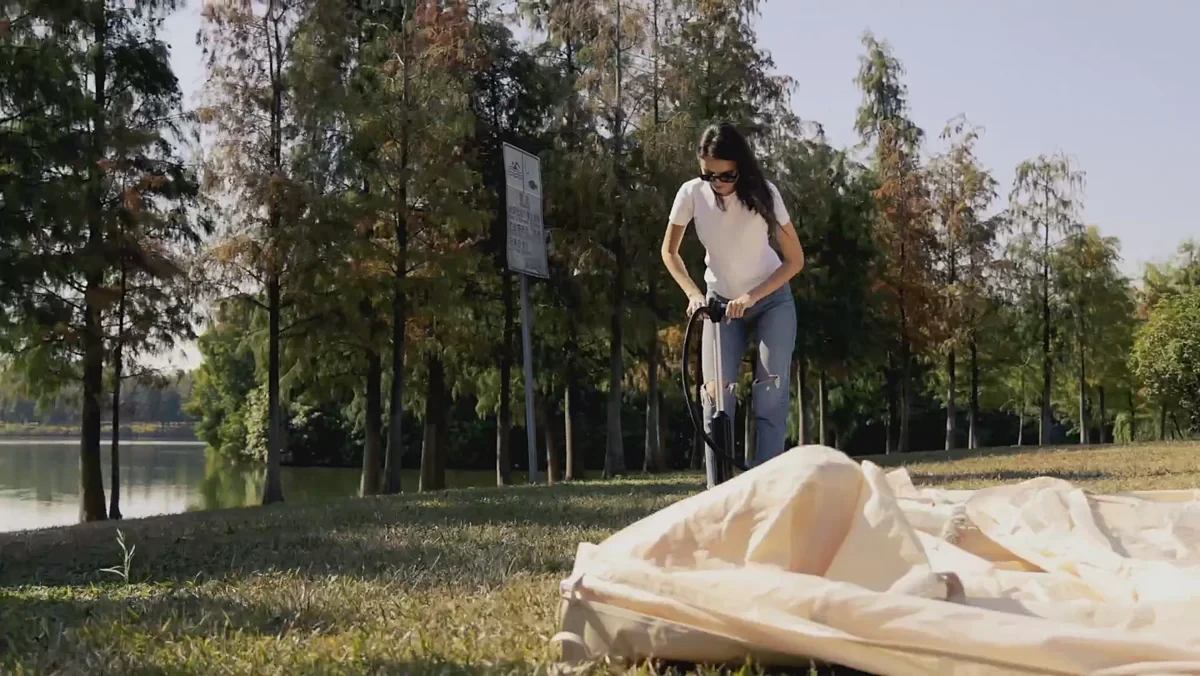
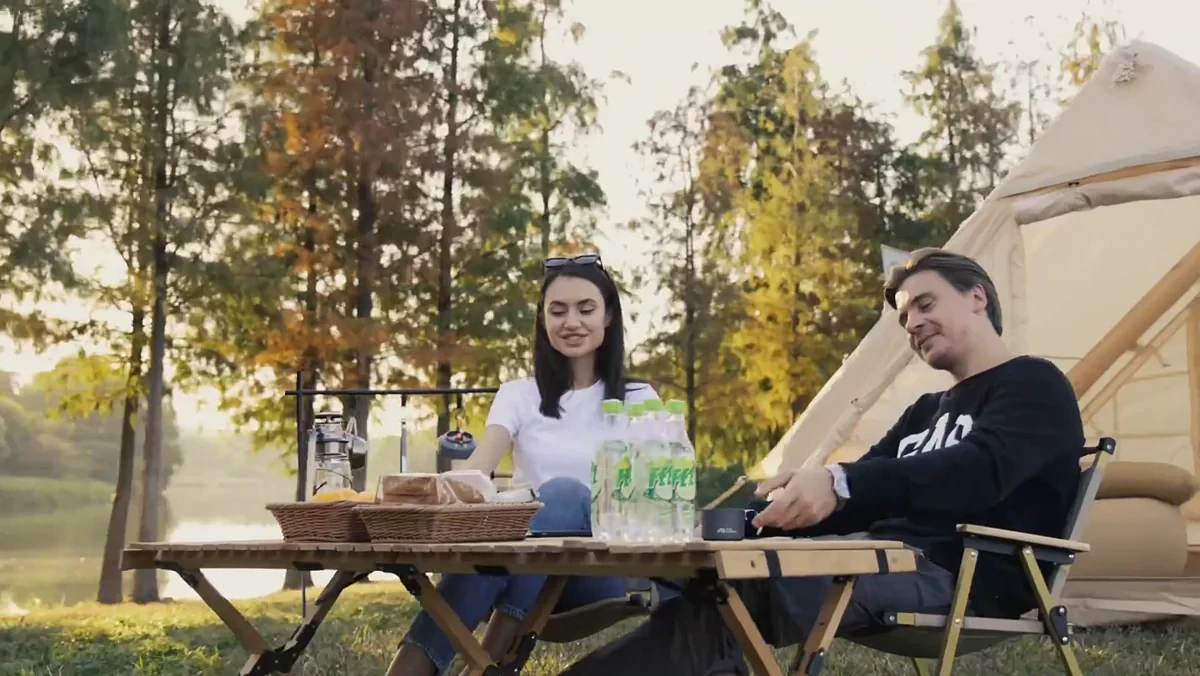
In the WISE TIGER inflatable tent case, daytime unfolding, setup and use show how the product works, while evening scenes build a sense of the brand. Covering the setting thoroughly gives editors room to use the same selling point on a product page, social channels and in retargeting. A single attractive wide shot offers much less material to reuse.
Post-Production and Versions Extend the Value of the Budget
Editing costs cover more than assembling a finished film. Deliverables depend on multilingual subtitles, safe-area adaptation, cover frames, information that works with sound off, different CTA durations and a distinct hook for each cutdown. Amazon Ads’ linked Sponsored Brands Video specifications list 16:9 and 6 to 45 seconds for the format described. Check the official specifications against the intended marketplace and placement before editing; other current Amazon guidance also describes additional orientations. This helps avoid producing a version that the chosen placement cannot use.
ONCE separates key visuals, selling-point evidence, use actions and CTAs into reusable groups of footage. When a campaign needs a new hook, a product page needs another explanation or an overseas team changes subtitles, those assets remain available to edit. Investing in reusable footage can lower the incremental cost of later tests.
Make Five Parts of the Quote Explicit
First, how many rounds of strategy alignment are included in scripting and storyboarding, and who approves the selling-point priorities? Second, which locations, people, equipment and controllable execution conditions are included in the shoot days? Third, which edits, subtitle languages, color grading and music rights are included in post-production? Fourth, does delivery list landscape, portrait and square versions, covers and short clips available for ad reuse? Fifth, what are the agreed revision rounds and usage rights for source footage or project files? Google Ads recommends grouping images, text and video around a common theme. Its asset-group guidance helps explain why a single finished film often leaves gaps in later campaign needs.
Help Your Team Compare Production Proposals
When two quotes arrive, give the team the same brief and ask them to make two tables before comparing unit prices. One lists the buying reasons the project must explain; the other maps each reason to the touchpoints where it will be used. A proposal that connects those tables is usually a stronger basis for investment. For a launch, a product-page overhaul or an overseas campaign, review cross-border product video production services to align the product, channels and deliverables. Then direct the budget toward what buyers need to understand and believe.