
For children's toy brands expanding overseas, don't start by filming a lively scene of children laughing. Overseas parents and gift-givers primarily want to know: how does the toy work, how many steps does it take to get started, where will the child use it, and are the details clear? Structure these questions into shooting tasks, then break them down into Shopify product pages, Amazon ads, and social media shorts. This way, the video becomes a "visible instruction manual" in the purchase path.
Children Look for Fun; Parents Look for Evidence
Toy marketing hooks are often immediately clear: a toy moving along a track, a drone taking flight, or a character completing a challenge. However, those who actually make the purchase are often evaluating something else entirely. They will look for play that is immediately understandable, imagine whether their child can easily start playing when they first open the box, and search for information about dimensions, components, operating steps, and suitable situations. A common mistake on set is to focus too much on "cuteness" while leaving the "how-to" instructions for the manual. For Shopify independent stores and Amazon product pages, this essentially gives away the most important evidence.
Show How to Play Through Repeatable Actions
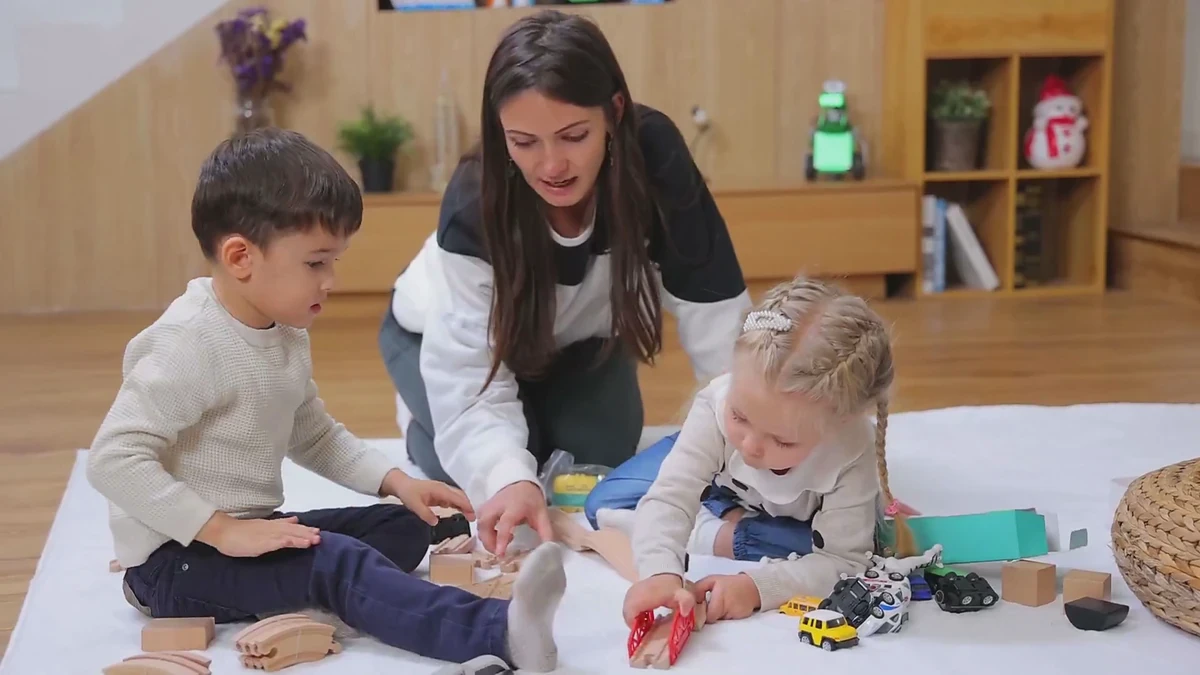
Don't rush to use generic terms like "creative" or "parent-child interaction." Plan the actions to film: what to take out of the box first, which parts to connect, what happens when the toy starts, and how to introduce more advanced play. Each action should have a clear close-up shot and a medium shot that shows the spatial relationship. This isn't about creating a tutorial; it's about eliminating the user's doubt: "Will I be able to play this?" For assembled educational toys, the connection structure, hand movements, and the final operating result are often the most compelling sales points.
Show Use Boundaries Before Making Safety Claims
For children's products, it is especially important not to gloss over issues with a simple statement like "safe and reliable." The visuals should serve confirmed product information: such as usage scenarios with adult supervision, methods for storing parts, steps before and after operation, and realistic indoor or outdoor spaces. Stay within confirmed product information when making claims. Show how the product is used, who is involved, and what needs attention. Clearer visuals can reduce the need for customer-service explanations and the cost of misunderstandings; for the marketing team, these visuals also provide a good foundation for answering questions in the comments section and creating remarketing materials.
Build the Script Around What Children Accomplish
A toy’s benefits can be shown through more than specifications: a completed build, a successfully navigated route, a mastered operation, or parents and children exploring together. The creative concept can be playful, and the shot sequence can include surprises, but each emotional beat should return to the product’s actions. For example, start with a small challenge, then use the product's structure, controls, or feedback to drive the result; finally, state the brand message and CTA. This way, the video retains the sense of exploration that children want to see, while also giving parents reasons they can repeat when making a purchase.
Create Different Edits for Shopify, Amazon and Social Media
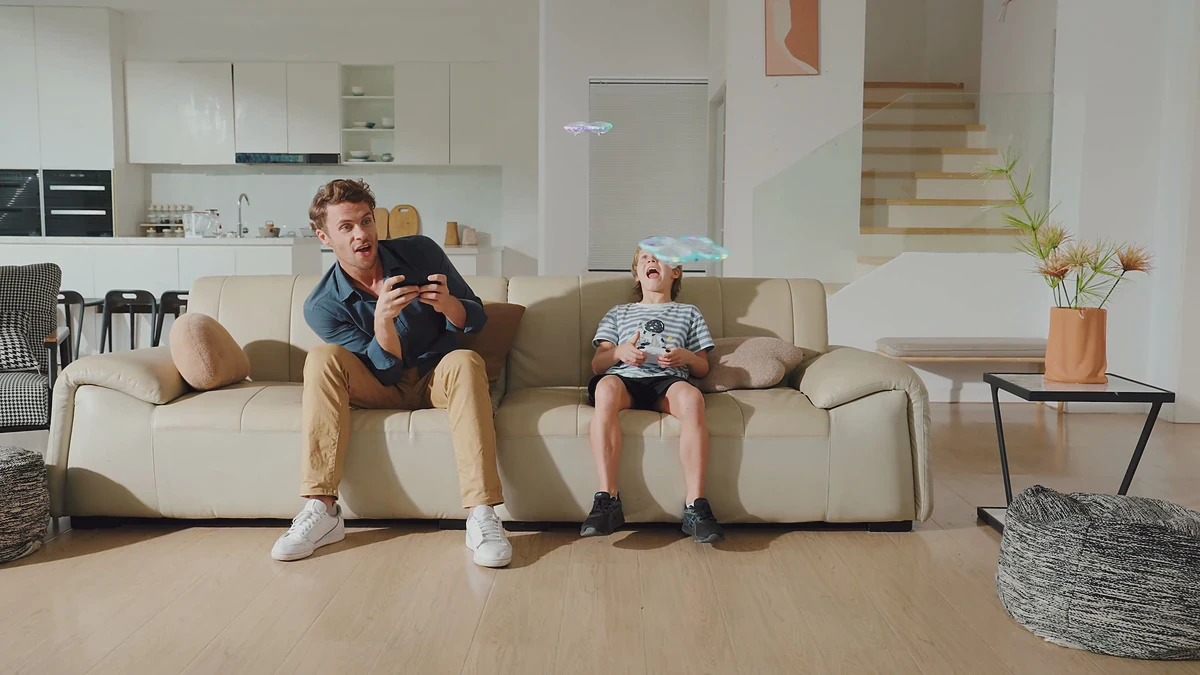
Before shooting, assign different roles to the footage. Shopify product pages can establish the full play experience, demonstrate the steps, and show the result. Compatible Shopify themes can display videos as product media, with implementation described in the Shopify Developers product-media documentation. On Amazon, compress the first benefit, product action, and clear CTA into a shorter rhythm; the Amazon Ads video-marketing guide also stresses defining the goal, audience, and action. Social shorts can turn challenges, reactions, and completion moments into different openings for campaign testing instead of relying on one hero film.
Bring the Toys and a List of Parents’ Questions to the Shoot
When ONCE VISUAL plans cross-border product content, the shot list goes beyond attractive images: First, can viewers immediately recognize the toy’s core play mechanic when the product first appears? Second, are there clear close-up shots of key components and operation sequences without any obstructions? Third, is the spatial relationship between children, adults, and the product realistic? Fourth, is the result of completing the play sequence clear? Fifth, have safe areas been planned for landscape hero films and vertical cutdowns, with the visual information needed for muted viewing kept clear? This approach delivers not only a visual asset but also a set of content that can continue to grow.
Connect the Video to the Purchase Decision
A good overseas toy video does not need to pack every fact into 30 seconds. It should provide the right evidence at the right moment: make children want to click, help parents understand, and give the operations team versions to test. If you are planning a product-page hero, short ads, or overseas social assets for a new toy, review the service approaches for cross-border e-commerce product video production and Shopify product video production. Discussing the real product, target market, and existing assets makes the next shoot easier to build into a reusable content system.