Compare cross-border product-video companies using the same brief and delivery list. A low quote and a polished showreel tell you little if one proposal includes a single finished film while another includes product demonstrations, language versions and advertising cutdowns. First agree on the buying question the video needs to answer.
Make the brief specific enough to quote
Identify the product model, target buyer, market and placement. An Amazon detail-page video needs to explain the item at close range; a Shopify page may need a fuller use sequence; a social advert has to establish relevance quickly. Give the supplier your current page, approved product information and the main reason customers hesitate.
Add practical inputs: sample readiness, dimensions, accessories, required talent, locations and the expected launch date. Mark proposed features separately from features available in the sample. A supplier should be able to explain how these choices change the script, crew and shooting time before presenting a final price.
Review complete films, then ask how they were made
Look for a similar production problem rather than an identical category alone. For an appliance, check whether the film shows loading, controls and the result clearly. For electronics, follow the connection or interaction without relying entirely on captions. For a high-value product, check scale, installation and material detail.
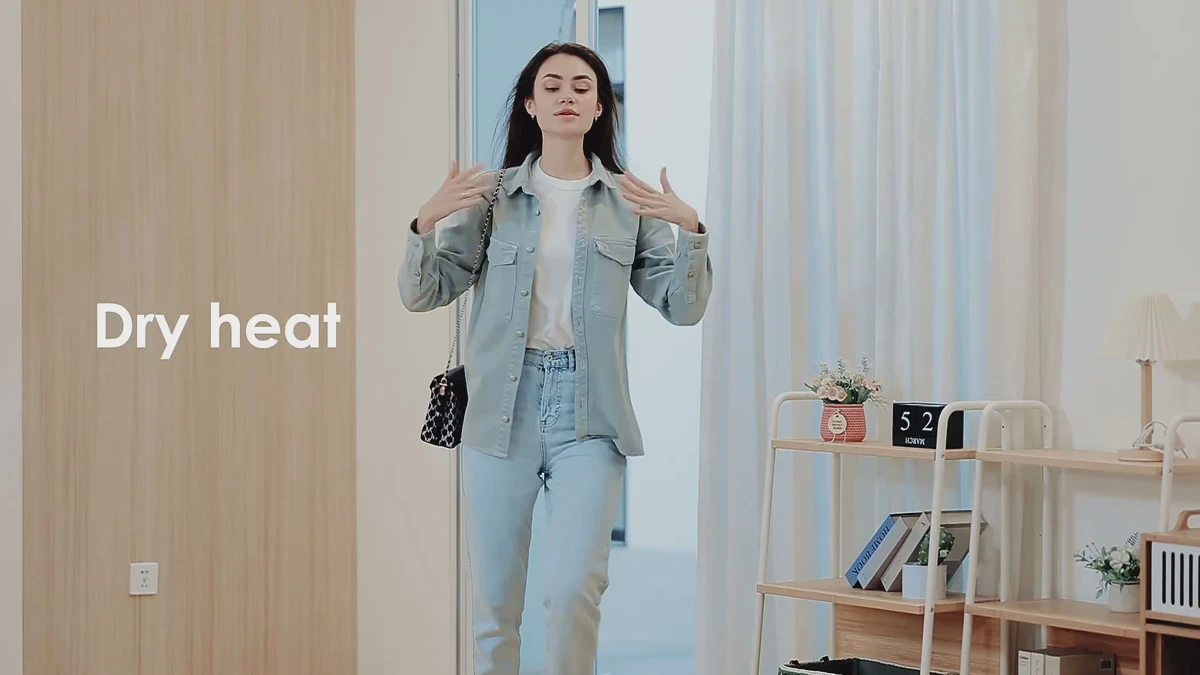
Ask which work the supplier handled and what the approved deliverables were. A finished film does not reveal whether a team created the concept, shot the footage or handled one part of post-production. Relevant explanations are more useful than a list of client logos. The CHiQ refrigerator case is one example to review for a product presented within a room.
Put proposals into one comparison sheet
- Creative development: concept, script, storyboard and the agreed number of review stages.
- Production: shoot days, crew, set, talent, styling, sample preparation and specialist equipment.
- Post-production: editing, colour, sound, graphics and any CG or compositing.
- Delivery: master film, cutdowns, aspect ratios, subtitle languages, clean versions and cover images.
- Usage and handover: music and talent permissions, intended territories and term, plus whether rushes or editable project files are included.
A ratio change may need a different composition or a separate edit. List each version by placement and purpose so “three versions” does not hide three different expectations. Ask the supplier to state exclusions and how additional work is approved.

Agree on decisions before the first edit
Choose one person to consolidate feedback, with product and marketing colleagues reviewing the parts they own. Confirm the script and practical setup before filming; check the edit structure before finishing colour and sound. Separate a factual correction from a change of creative direction so the team can explain its effect on schedule and cost.
For an overseas team, specify how samples arrive, who approves them and when remote review is possible. The sample-shipping guide and remote-production guide cover these practical preparations.
Judge the package in its intended placement
Watch the export on a phone and check the product page or advert layout it will enter. Product names, captions and essential actions should remain visible after cropping. Confirm that each file has the agreed language, ratio and use permission. This is a production acceptance check; it does not guarantee an advertising result.
See ONCE cross-border product-video services for the production scope, then share a brief that lets the team price the same job you intend to buy.
Send a supplier-selection brief with the product, intended placement, target market and required versions.