A polished crowdfunding film looks promising in a production company’s portfolio. Before adding it to your shortlist, connect it to the actual campaign and identify the work that company performed. Those two checks make the reference useful for your next brief.
When reviewing crowdfunding video case studies, start with three things: the exact product, its campaign page, and the production role. This is especially useful when an overseas brand is choosing a production partner in China. The public Ostation X pages provide a concrete example of the first check.
Match the product generation before comparing the film
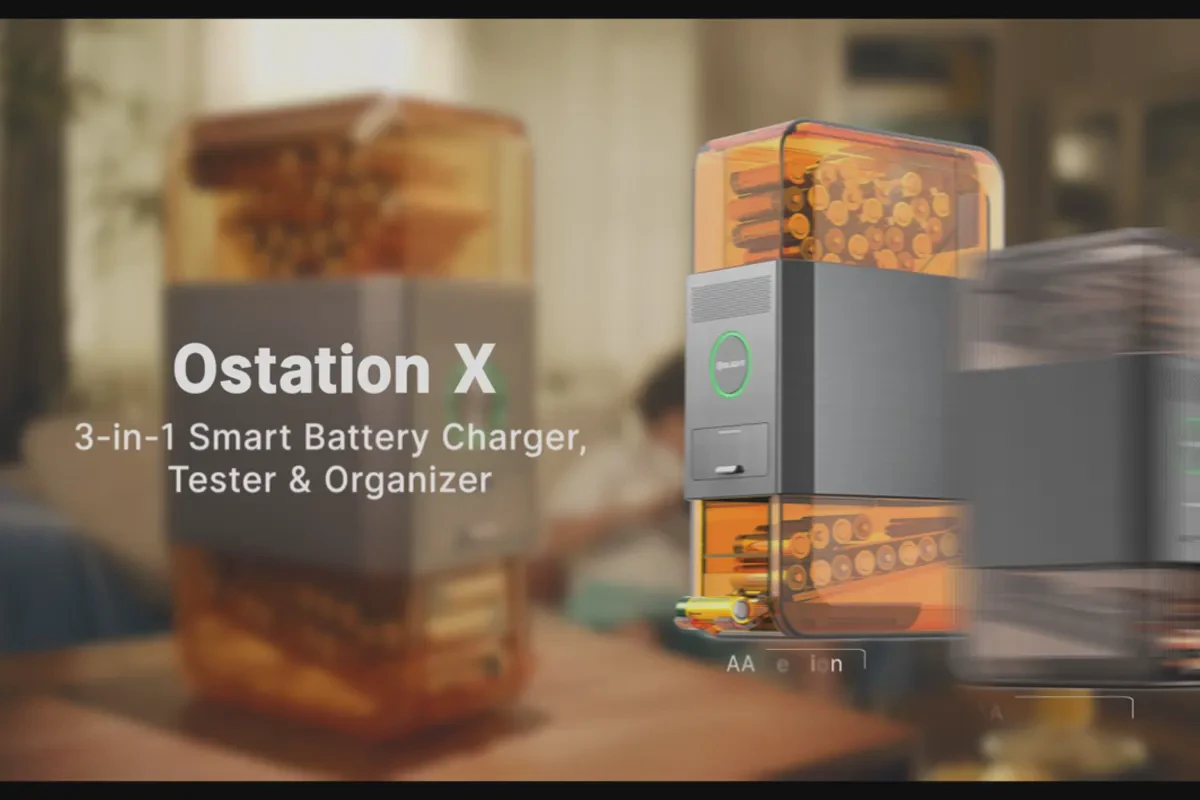
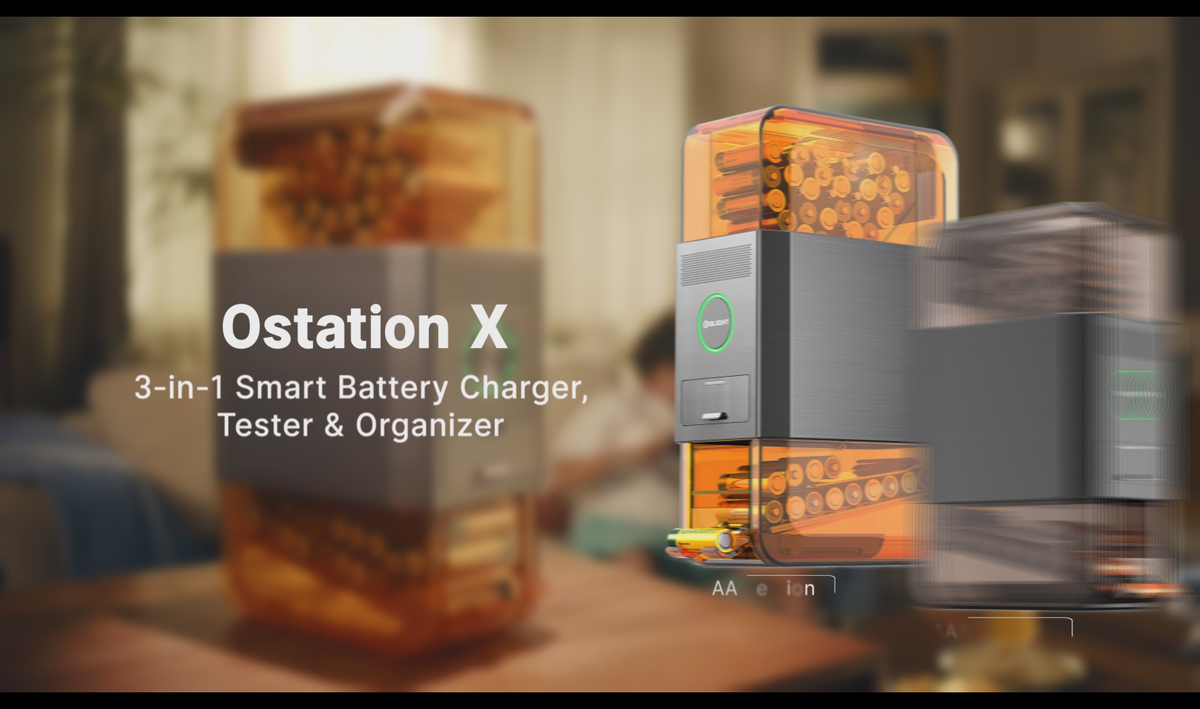
The ONCE public Olight Ostation X portfolio entry and the Kickstarter campaign both identify Ostation X. The campaign describes a battery charger, tester and organizer and names Olight World as its creator. These details establish a product-to-project match; they do not independently test its performance.
A brand may have several generations, bundles or launches. Search with the exact model name, then compare the product appearance, campaign title and creator. If a portfolio lists only the brand, ask for the generation and campaign URL before treating the search result as a match.
Use different sources for the film, campaign and production role
A portfolio page records how a supplier presents the work. A campaign page identifies the project and what its creator showed backers. Credits, brand confirmation or an approved production note can establish who performed a particular job. One source rarely answers all three questions.
| Check | Start with | Ask if unclear |
|---|---|---|
| Brand and model | Portfolio title, cover and campaign title | Same product generation and bundle? |
| Campaign match | Actual campaign URL and creator | Which launch and campaign stage? |
| Film version | Campaign and portfolio players | Full film, cutdown or compilation? |
| Supplier’s contribution | Credits and approved production notes | Who handled creative, filming, animation and editing? |
If a reel contains only a few shots, request the complete public film and the sections the supplier worked on. Animation, editing and joint production are useful experience when they match the job you need. A company’s presence in a project does not establish responsibility for every part of it.
Turn the reference into a specific shot task
After identifying the campaign and role, write down what you want to borrow. A lifestyle scene can explain why someone needs a product. A continuous operation can show an input and result. An animation can explain an internal relationship. Each requires different samples, casting, locations and post-production work.
For example, suppose your product demonstration must show a phone app responding to a hardware action. Specify who operates the device, when the interface responds and whether the action can be repeated reliably on the shoot day. Ask which comparable work the supplier personally handled. This is a more useful discussion than requesting the overall look of a film.
For hardware and product design launches, also review Kickstarter’s current official requirements: projects in these categories must show working prototypes, and photorealistic product renderings are prohibited. A portfolio cover cannot replace the required demonstration. Apply the rules to your own campaign’s actual materials and product state.
Treat funding totals as project context
Campaign funding and backer counts describe the project as a whole. Pricing, an existing audience, page content, publicity and advertising may all contribute. A funding total alone cannot identify the conversions a film produced or a supplier’s share of the result.
Evaluate the work you can assess: product understanding, clear shot design, the handoff between filming and animation, and usable deliverables. A claim about incremental video results needs a measurement period, supporting data and an explanation of other changes. Without those, retain the campaign outcome as background.
Send a one-page reference brief before requesting a quote
Include the portfolio URL, campaign URL, exact model, the shot task you want to reference, the work you need the supplier to perform, and where the finished asset will appear. Add the available sample’s current state and target language. These details turn a visual reference into a production discussion.
Keep public comparison notes limited to approved project information and credits. Share private business documents through the appropriate project channel. To develop the reference into a shoot, explore ONCE’s crowdfunding video production service or send your product and reference links.
Questions about verifying crowdfunding video references
Does a missing campaign link make the portfolio claim false?
No. A product may have changed names, launched elsewhere or remain unpublished. Request a verifiable link and explanation. Until the match is established, do not label it a verified crowdfunding launch reference.
What if the portfolio film differs from the campaign film?
Identify the full film, cutdown or compilation, then confirm each version’s purpose and the supplier’s contribution. Compare the version and work relevant to your own brief.
Should a large funding total decide the shortlist?
Use it as context. Assess product understanding, shots, production scope and deliverables separately. Creating one animation sequence and managing an entire live-action production represent different experience.