The challenge with metal, glass, piano lacquer, and transparent packaging often lies not in lighting the product itself. These surfaces reflect the studio, lights, camera, and surrounding environment. Every highlight in the frame results from the combined effect of material properties, light shape, and camera position.
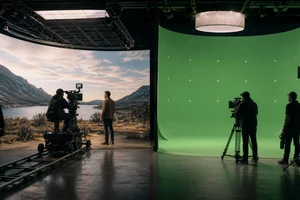
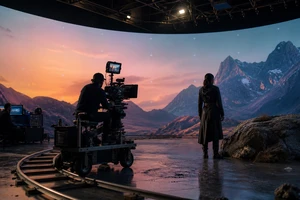
For highly reflective product videos, first define what the audience needs to see before deciding on lighting and production methods. Viewers may focus on silhouettes, surface textures, internal structures, opening mechanisms, or real-world usage. Different goals require different ratios of live action, CGI, and hybrid techniques. If you are still weighing LED volumes against green screens, start by reviewingFour Key Considerations for Virtual Production vs. Green Screen, as this article focuses on reflections, materials, and product movement.
Conduct Material Testing Before Finalizing the Shooting Plan
Before preparing the final product, obtain at least one sample closely matching the finished item. Test reflection changes from front, side, and oblique angles to see if highlights define contours, whether shadows obscure details, and if transparent edges separate cleanly from the background.
Testing must also use the final lenses and aspect ratios. Vertical mobile video, web banners, TV commercials, and e-commerce detail pages have different requirements for negative space, sharpness, and motion speed. Relying solely on a static monitor frame can easily miss sudden reflection shifts that occur once the product rotates.
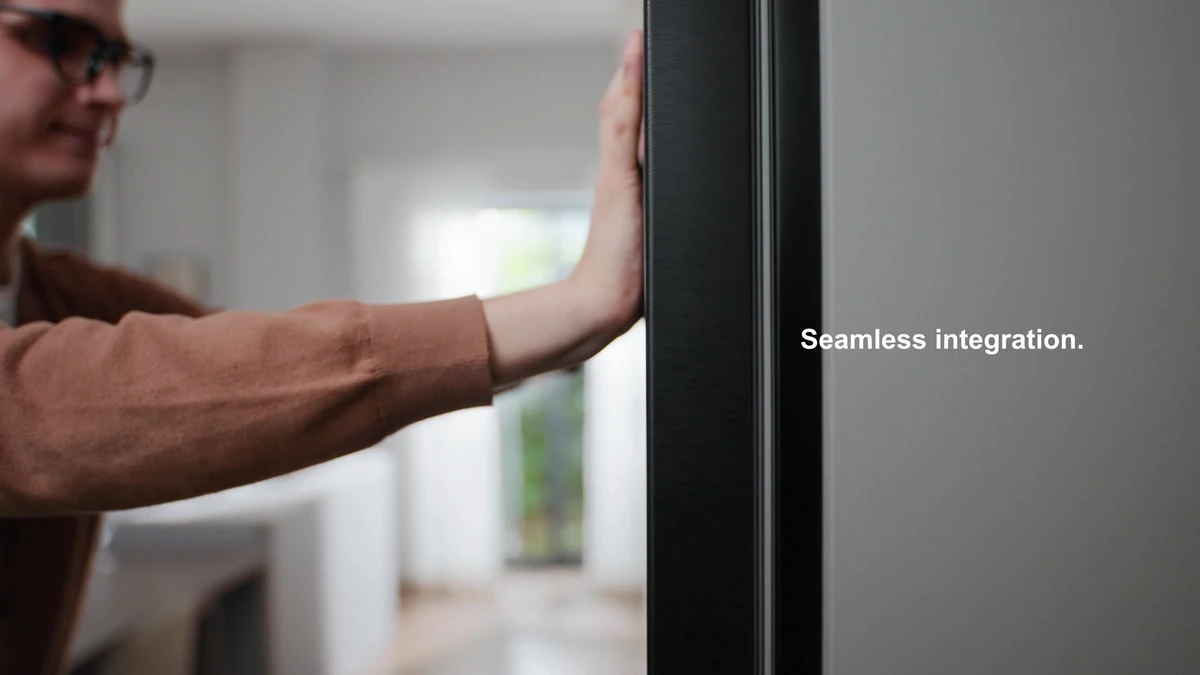
Live-action filming suits shots requiring authentic tactile quality.
When products interact with hands, surfaces, liquids, fabrics, or real spaces, live action provides natural contact, weight, and subtle variations. When viewers need to feel that an item truly lands on a table, packaging is genuinely opened, or liquid realistically flows around a bottle, such shots typically warrant prioritizing live-action filming.
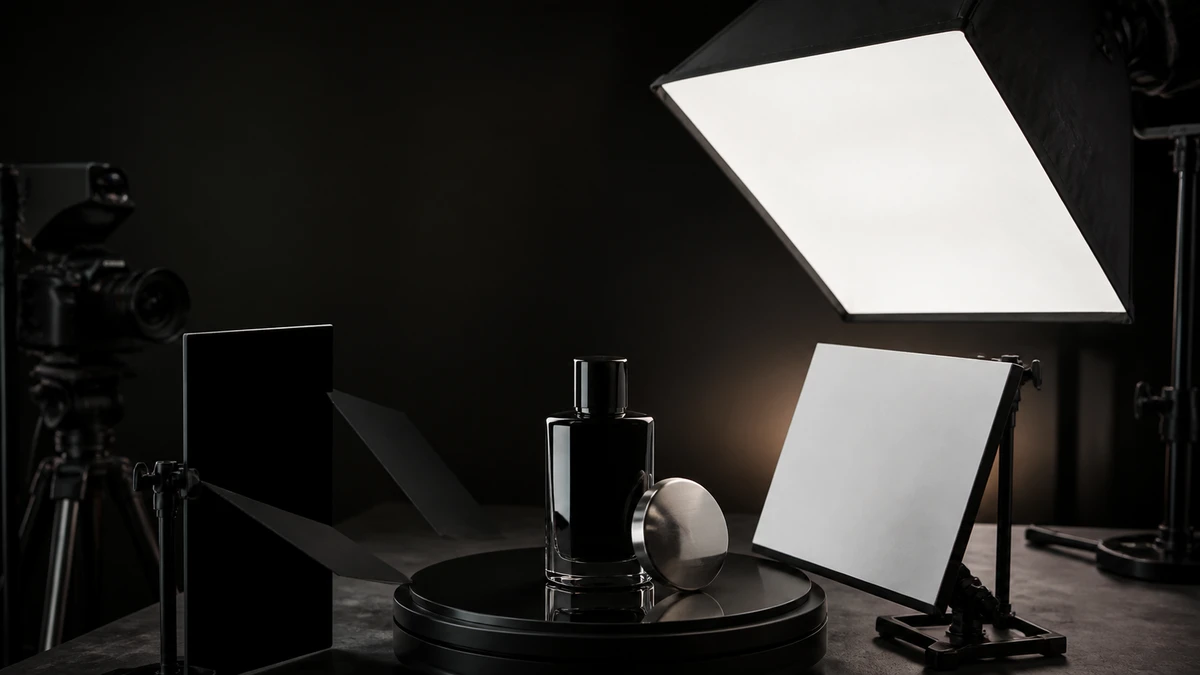
The primary focus in live action is controlling reflections. Large soft light sources create consistent highlights on curved surfaces, white cards fill shadows, and black flags block cluttered reflections. A slight shift in lighting can completely alter surface lines, so both lighting and camera positions must be documented together.
Polarization helps reduce stray light on certain non-metallic surfaces but requires different approaches for metallic reflections. For metal, mirrors, and transparent components, decisions should be based on on-set testing rather than treating a single filter as a universal solution.
CGI suits complex motion and numerous version iterations.
If a product requires high-speed disassembly, transformation, or movement through environments difficult to build physically, CGI offers superior shot control. Digital assets also facilitate version management when product colors, material parameters, packaging variants, and camera angles require frequent adjustments.
The challenge with CGI is that materials cannot rely solely on texture maps. Metal roughness, edge chamfers, glass thickness, internal refraction, and environmental reflections all affect realism. Simpler models make specular highlights more prone to revealing flaws. Modeling, texturing, and lighting must be evaluated together from the first draft render.
Hybrid production combines authenticity with controllability.
Many videos for highly reflective products use live-action footage to capture authentic texture, then employ CGI to extend scenes, replace details, or supplement difficult camera movements. Alternatively, filmmakers can shoot real product rotations and interactions first, then use digital assets to generate multiple color and background variations.
Hybrid production requires deciding upfront which elements must be locked. The dimensions, lens distortion, lighting direction, depth of field, and motion blur of live-action and digital products must match. If these relationships are only discussed in post-production, rework will concentrate on the hardest-to-fix edges and reflections.
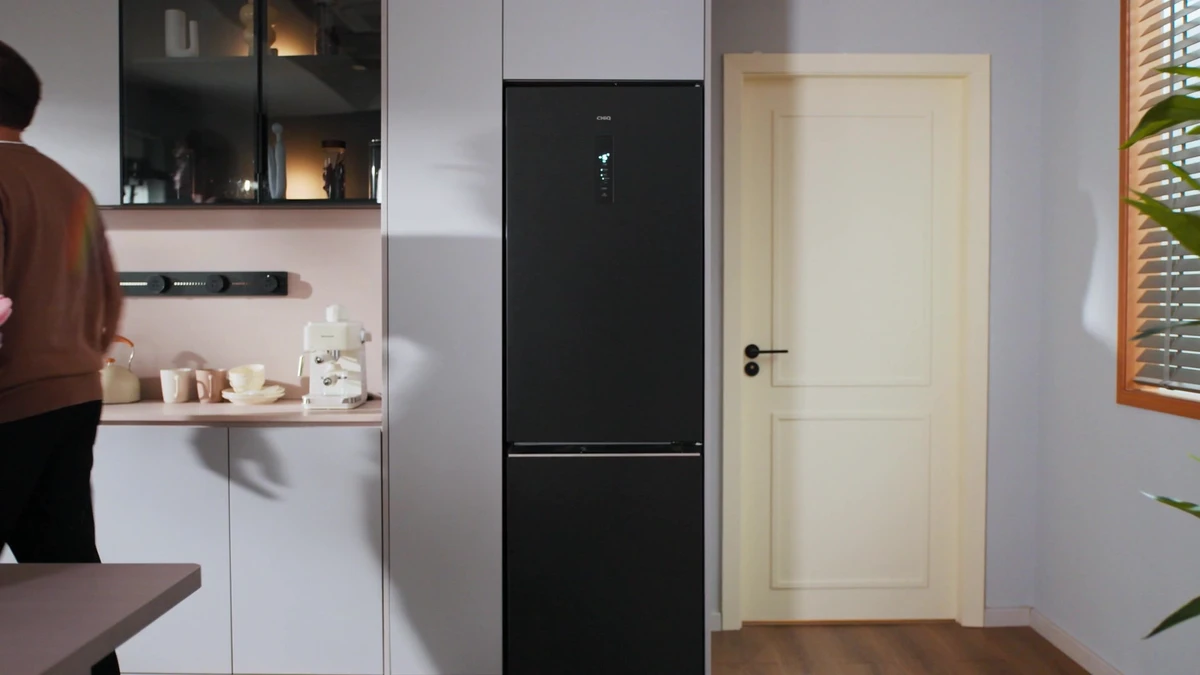
What Inspiration Can Be Drawn from Light Stage
Google Research's The Relightables project places human subjects in controlled lighting, camera, and depth-capture systems to record comprehensive reflectance data for relighting in new virtual environments. Such Light Stages are research-scale capture systems designed for human performance and graphics research.
The implication for standard product videos is simple: material representation depends on controlled lighting and verifiable data. Commercial projects need not bring research equipment into the studio but should document sample tests, light positions, camera parameters, and color references. More thorough documentation facilitates alignment among live-action shooting, CGI, and post-production compositing.
Five Pre-Shoot Checks
- Does the product sample match the final material, color, and surface finish?
- Is there a turntable or dolly test demonstrating highlight continuity?
- Will backgrounds, lights, cameras, or crew appear in reflections?
- Who is responsible for matching the transition between live action and CGI?
- How much detail, motion, and color range will the final platform retain?
Budgets for shooting highly reflective products are often spent on invisible preparation. Only after samples, testing, masking, lighting control, and version management are properly handled will the image show clean highlights and believable materials. Let a short test clip answer key questions before deciding whether to use live action, CGI, or a hybrid approach for the full video; this significantly reduces risk.
If you want to apply this framework to scripts, samples, and platform-specific versions for cross-border product videos, continue reading ONCE'sCross-Border E-Commerce Product Video Production Guide, and include both material tests and delivery targets in the brief.