A refill pouch is opened, liquid is poured into a bottle, and the film cuts to a tidy counter. The picture is complete, but practical questions remain: which part of the old bottle stays? Where does the refill go? How is it used again? For someone encountering the product for the first time, these actions can be more useful than the word “refill” alone.
A refill product video can tell more than the story of one pour. It can show how the same container returns to daily use. A fictional hand-soap bottle illustrates the creative and production decisions below; capacity, compatibility and operation must follow the actual product and the brand's confirmed information.
Establish what stays
If the film starts with only a new pouch, viewers may not know which container it fits. Show the original bottle and refill together, establish an identifiable bottle or connection, and let the action explain their relationship. A beautiful pouring arc without the pump that stays in use leaves half the story out of frame.
Not every refill fits every old bottle. If it is intended for a particular model, have the product team confirm the pairing and show it clearly. Do not use an unverified bottle as a demonstration prop. A similar appearance does not establish that fittings, formula or capacity match.
Make the second fill understandable
Observe the real operation first: how the bottle opens, where the pouch tears, which hand steadies the container during pouring and how the pump goes back. Record the complete action as a reference, then select the parts the ad needs. Editing can compress waiting, but should preserve steps essential to orientation or safe use.
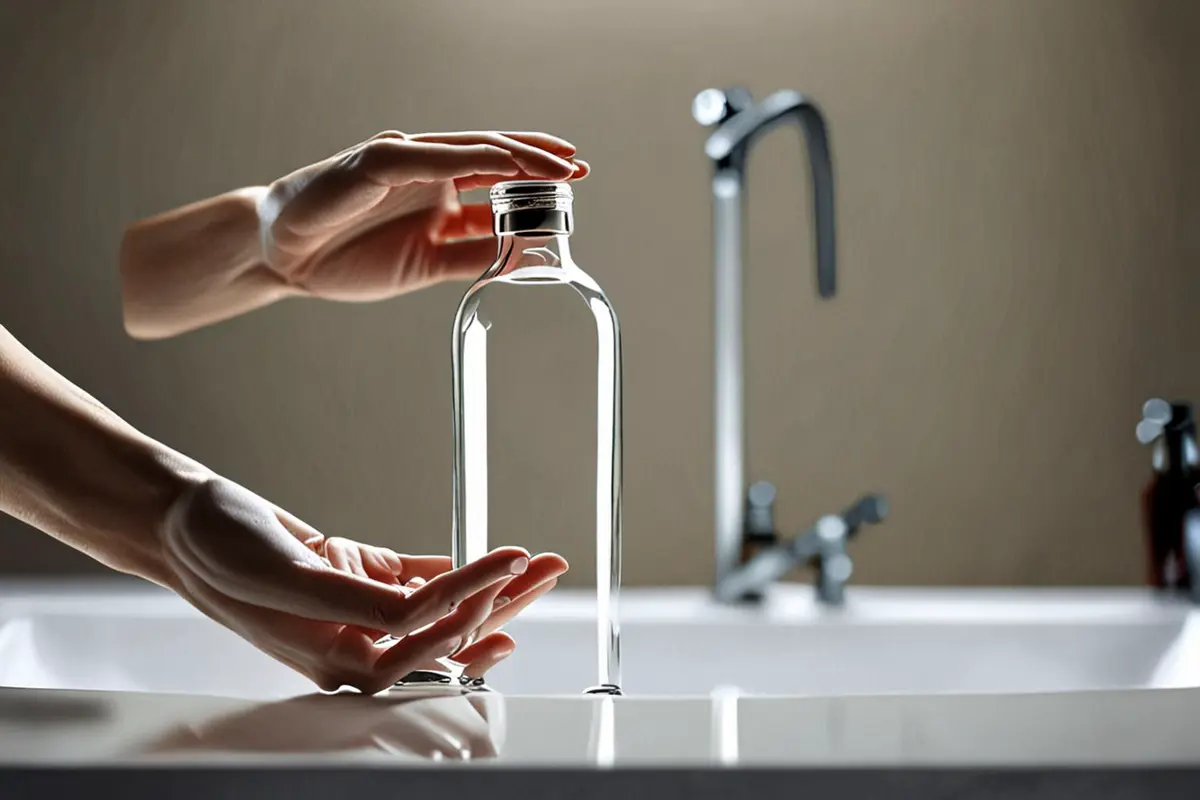
For a small opening, establish the position of both objects in a wider view before moving close. Let viewers see the liquid enter the container, not just the pouch tilt. If the real instructions call for a funnel, cleaning or another preparation, include it as appropriate; do not hide necessary tools to make the operation look effortless.
The story continues after the pour
Completion might mean replacing the pump, returning the bottle to its place or following a preparation step in the instructions. End on a real completed state instead of cutting so that the bottle appears to fill and close itself. The brand should confirm whether special cleaning or other handling is required; the film should not invent a step.
In a brand film, the next action can carry emotion too: someone returns the bottle to the sink, a child later reaches for it, or a person tidies the counter and continues their day. The product's role changes from a newly purchased pouch to an object that remains in use. These people and scenes are fictional creative illustrations, not consumer research.
Show the refill without inventing an environmental result
Reusing a container is an action the camera can show. On its own it does not establish the environmental impact of the whole package or product. Do not infer “zero waste” or a carbon-saving percentage simply because one fewer bottle appears on screen. Claims about materials, recycling or environmental effects require the brand's accurate support and approved wording for the relevant market.
When using a substitute liquid, a different package version or digital compositing, distinguish concept imagery from a real demonstration. If color or flow affects how the product is understood, ask the brand to review the test. Do not attribute a substitute's appearance to the actual formula. Explore ONCE video production insights for related approaches.
Preserve the relationship in short edits
A short video need not repeat every step, but viewers should understand how the original container, refill and subsequent use relate. One possible edit shows the bottle in use, the pouch aligning with the opening, the pump being replaced and the same bottle back on the counter. The product itself determines the necessary shots and timing.
Show the cut on a phone to someone unfamiliar with the product. Ask which item stays, which supplies the refill and what happens next. A small preview can uncover questions; it cannot prove purchase intent or that everyone can perform the operation correctly.
If you are planning a film for a refill, durable product or repeat-use context, contact ONCE to discuss the sample, real actions and creative approach.