Define Multi-platform Aspect Ratio Strategy During Initiation
Before launching a product video shoot, brands must determine the primary aspect ratio based on target sales channels. Cross-border business usually involves independent sites and third-party platforms, which have different visual requirements. Independent sites often support widescreen horizontal compositions to showcase atmosphere, while mobile social media channels prefer vertical full-screen experiences. If the primary placement is not locked in early, later cropping can cause loss of subject or compositional imbalance.
The production team should output multi-version storyboard sketches during script confirmation. Brands need to check the integrity of key selling points across different aspect ratios. For example, ensure core feature demos are not obscured by UI elements in vertical screens or appear empty in horizontal ones. The risk at this stage is dispersing the budget by blindly pursuing full aspect ratio coverage. It is recommended to prioritize image quality and pacing for main channels, adapting secondary channels through safe area reserves.
Staffing and Pre-production Material Preparation
Efficient project execution relies on clear role division and complete pre-production materials. The director controls the overall visual style, the cinematographer focuses on lighting and composition, and the editor intervenes early to understand narrative logic. Brands must provide detailed product selling point lists, competitor reference videos, and brand visual guideline manuals. These materials serve as the baseline for all subsequent production stages.
During material preparation, confirm the usability of product samples. Sample surfaces should be free of scratches, fingerprints, or dust; prepare backup samples if necessary to prevent shooting damage. Also, organize all accessories, packaging, and manuals to be displayed, ensuring physical items match promotional copy. Missing any key prop can cause shooting interruptions or increase post-production compositing costs.
Set Design and Lighting Layout Planning
Scene selection must serve the product tone. Minimalist styles suit highlighting product details, while lifestyle scenes help build emotional connections. Regardless of style, backgrounds must remain tidy to avoid distracting elements. For reflective products, use softboxes or tracing paper for diffuse reflection to eliminate harsh glare.
Lighting layout must accommodate both horizontal and vertical needs. Key light position should ensure the product core remains lit after center cropping. Fill light reduces shadows, while rim light separates the subject from the background. It is recommended to test lights before shooting and simulate different aspect ratios on monitors to confirm no intrusive shadows or overexposed areas.
On-set Execution and Safe Area Reserve
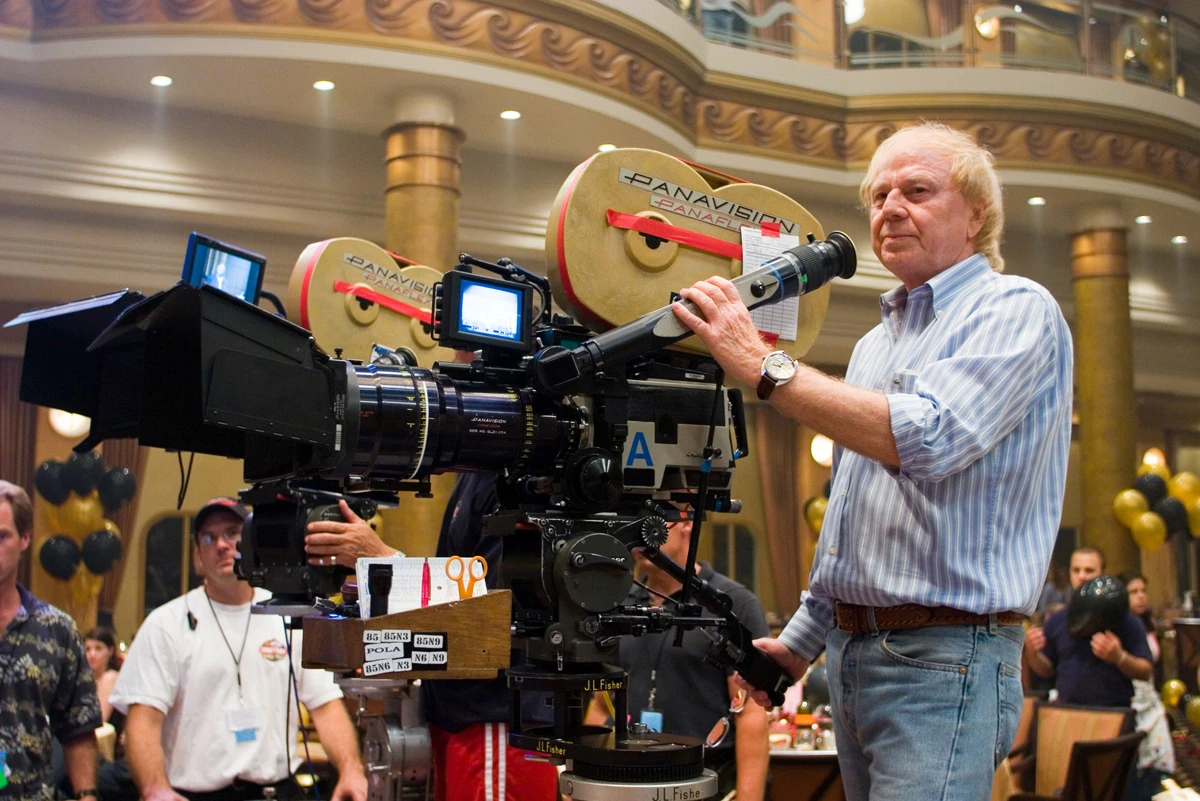
Cinematographers must strictly follow the pre-determined safe frame range during shooting. For projects delivering both horizontal and vertical formats, keep the main subject in the center area. Avoid placing important product information at the edges to prevent cutting off heads or tails during later cropping. Lighting setup must also consider multi-aspect needs, ensuring even illumination on people and products across different compositions.
The on-set director must monitor simulated frames of different ratios in real time. If props or actor positions exceed the safe area, adjust immediately. A common error is focusing only on the default horizontal view on the monitor, ignoring visual balance in vertical composition. Additionally, when shooting highly reflective products, watch for changes in light reflection paths across aspect ratios to avoid intrusive shots that increase post-production repair costs.
Audio Capture and Environmental Noise Control
High-quality auditory experience is a key part of video texture. Isolate environmental noise on set, such as air conditioning, traffic, or conversations. Use directional microphones close to the source to capture product operation sounds or voiceovers, ensuring clarity and purity. If silent conditions cannot be met, plan for post-production dubbing.
Sound engineers must monitor audio levels in real time to prevent clipping or excessive background noise. For videos with voiceovers, ensure moderate speed and clear articulation. Background music should match the video rhythm without overpowering it. During acceptance, listen to the audio track separately to confirm no hum or intermittent issues.
Dynamic Reframing Logic in Post-production Editing
In the editing phase, editors must dynamically reframe footage based on platform characteristics. This focuses on secondary composition based on visual center of gravity. For shots with large movements, add keyframe animation to keep the subject stable. Re-evaluate background blur levels to ensure natural depth of field across different aspect ratios.
Brands should check transition continuity during review. There should be no obvious jumps or information gaps between multi-aspect versions. If original resolution is insufficient, forcibly enlarging the vertical version degrades quality. In this case, discuss using frame interpolation or AI enhancement with the production team, noting potential artifact risks. Ensure rhythm points match background music accents in each version to maintain consistent viewing experience.
Color Correction and Visual Uniformity
Color correction aims to restore true product colors and establish the overall video tone. Calibrate colors on different monitors to ensure no color cast. Maintain consistent tone across series videos to strengthen brand recognition. Avoid excessive saturation or contrast to prevent distortion.
Colorists must check if skin tones look natural and product textures are accurately presented. Pay special attention to highlights and reflections for special materials like metal and glass. After initial grading, preview the video in different lighting environments to ensure good display effects on various terminal devices.
Subtitle Standards and Localization Adaptation Points
Subtitles in cross-border e-commerce videos are part of visual design, not just translated text. Choose fonts that fit target market reading habits, avoiding obscure or overly decorative styles. Font size must be legible on small screens without conflicting with the main subject. Test color contrast to ensure readability against both bright and dark backgrounds.
Timeline alignment is key to subtitle acceptance. Subtitle appearance and disappearance times should slightly precede voice start and end to allow viewer reaction time. For multi-language versions, check special character display to avoid garbled text. Brands should provide glossaries to ensure accurate and consistent professional terminology translation. Note that some platforms auto-generate subtitles; if using built-in features, disable embedded video subtitles beforehand to avoid overlapping interference.
File Naming System and Version Management
Standardized file naming greatly improves team collaboration efficiency and asset retrieval speed. Use a naming structure including project name, content type, aspect ratio, version number, and date. For example: ProjectName_ProductName_Horizontal_v1_20231001. Avoid vague terms like final or latest, as revisions often involve multiple iterations.
Folder structures delivered to brands should also be clearly layered. Distinguish source files, project files, proxy files, and master deliverables. Source files allow for future secondary creation, while project files facilitate internal modification tracking. Brands must check the list upon receipt to confirm all agreed formats are provided. Chaotic naming can lead to calling wrong versions later or even copyright disputes.
Multi-dimensional Acceptance Checklist and Delivery Standards
Establish a standardized checklist for acceptance. First, check technical parameters, including resolution, frame rate, and bitrate compliance with platform upload requirements. Second, check visual quality for noise, color cast, or compression artifacts. Confirm audio left-right channel balance with no clipping or excessive background noise. Proofread subtitles word by word for spelling and punctuation errors.
Brands should organize cross-departmental joint reviews. Marketing focuses on selling point delivery, Legal checks compliance risks, and Design controls visual tone. Consolidate all feedback into one round to avoid fragmented revisions extending the cycle. Upon acceptance, both parties sign a confirmation sheet, marking the project entry into archiving. Keep an uncompressed high-quality master as long-term asset backup.
Common Risks and Contingency Plans
Projects may face various risks. Product iterations can invalidate old videos, so confirm the final product form before shooting. Platform policy changes can make existing aspect ratio or subtitle standards obsolete, requiring continuous monitoring of platform rules. Staff changes can affect progress, necessitating robust document handover mechanisms.
Develop contingency plans for potential risks. Reserve buffer time for emergencies. Maintain a backup supplier list in case major partners face force majeure. Regularly back up project data to prevent loss from hardware failure. Define responsibility boundaries to reduce blame-shifting.
Applicable Boundaries and Exclusion Scenarios
This acceptance standard applies to standardized e-commerce product video production. For highly creative brand image films or narrative micro-movies, aspect ratio and subtitle restrictions can be relaxed to serve artistic expression. If projects involve extensive CGI or AIGC content, add acceptance steps for rendering and compositing layers, focusing on lighting consistency and physical law rationality.
When platform rules change significantly, original acceptance standards may become invalid. Brands must stay sensitive to mainstream e-commerce platform policy updates and adjust delivery requirements accordingly. For low-budget, short-duration FMCG projects, some acceptance steps can be simplified, but core aspect ratio safety and subtitle accuracy are non-negotiable. Defining scope helps allocate resources reasonably and avoid over-investment in non-critical areas.
If planning next quarter's cross-border video content, first organize existing asset libraries and platform distribution. After defining core conversion goals, communicate specific execution details with professional production teams. Clear expectations and standardized processes are the foundation of content quality assurance.

If preparing a product video shoot project, first organize the Brief, reference images, product or company materials, delivery platforms, and copyright scope, then viewE-commerce Product Video Service Page, moving communication from abstract preferences to executable production boundaries.