Core Selling Point Extraction and Audience Segmentation During Project Initiation
The starting point for global brand expansion videos is the precise definition of the core selling point. Marketing leads must clarify the product's unique competitive advantage in the target market, which must be intuitively understood across cultural contexts. If the selling point is too abstract or relies on localized metaphors, subsequent multi-version adaptation faces the risk of logical fragmentation. In the early stages, the team should refine audience personas, distinguishing aesthetic preferences and information consumption habits across different regions. For example, the North American market may prefer direct functional demonstrations and authentic life scenarios, while some Asian markets may have higher demands for visual aesthetics and emotional resonance.
The key action at this stage is to create a selling point mapping table, translating core functions into visual cinematic language. The risk lies in attempting to cover all markets with a single generic script, which often results in a final product lacking specificity. If differentiated market needs are not determined during initiation, post-production revision costs will rise exponentially. An exception applies when a brand is in a phase of building a unified global image; in this case, deep localization can be deferred, but sufficient material redundancy must be reserved for future adjustments.
Universal Footage Acquisition Strategy During Shooting Execution
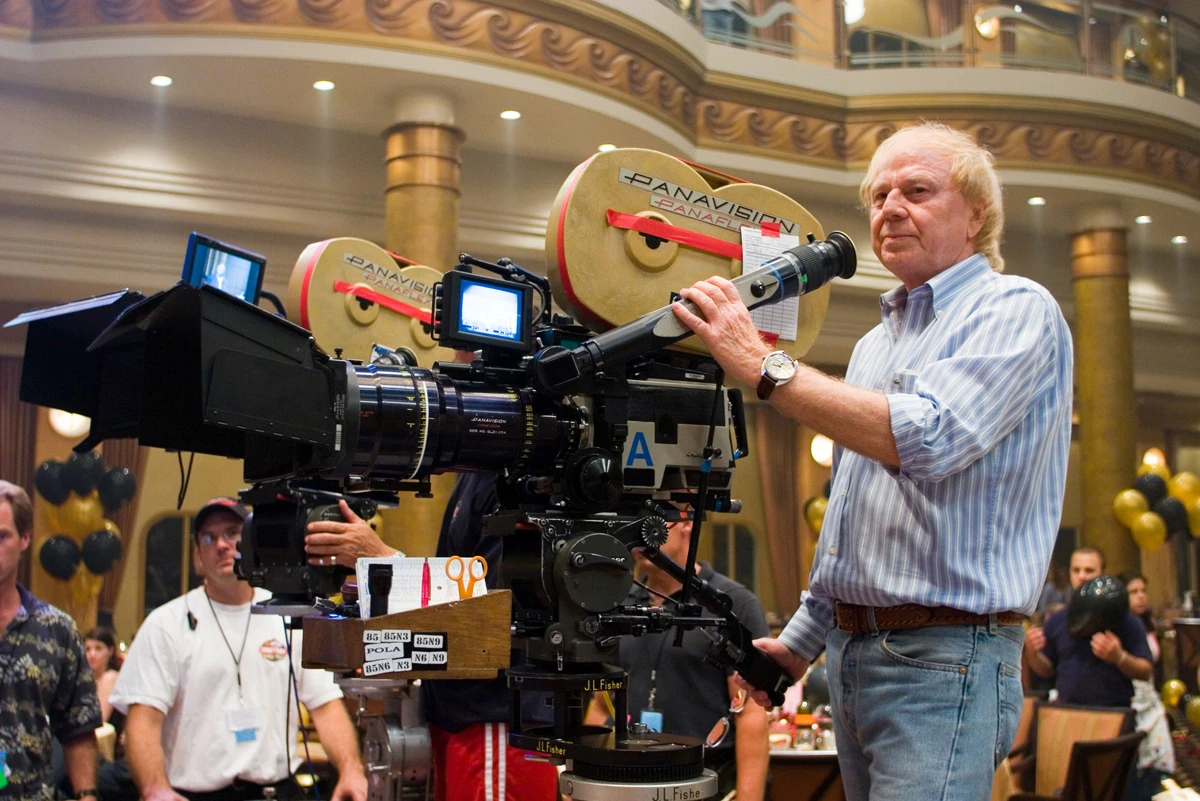
To support multi-version adaptation, on-set footage acquisition must exceed the standards required for a single final cut. The Director of Photography must ensure compositions allow for cropping, avoiding critical information at the frame edges to facilitate aspect ratio adjustments for different platforms in post-production. Lighting design should remain neutral and natural, avoiding color temperatures or lighting styles with strong regional characteristics unless such style is part of the selling point. Actor performances should be restrained and universal, avoiding exaggerated expressions or body language specific to certain cultural backgrounds.
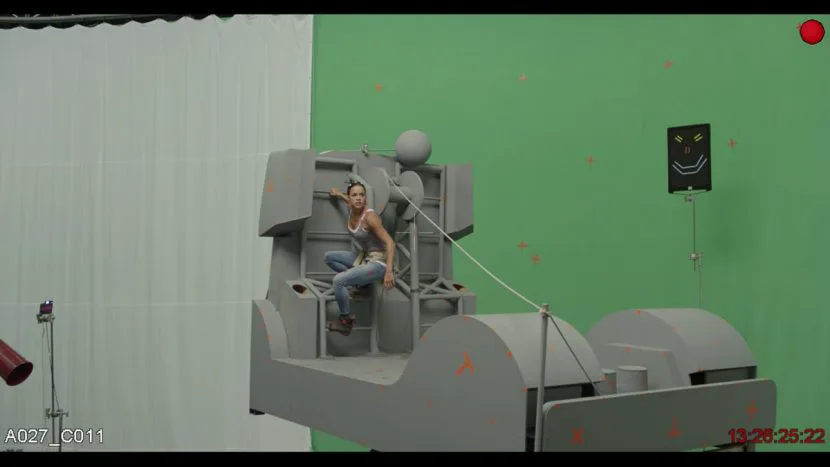
The production team must confirm whether shooting conditions allow for clean background plates or green screen footage to facilitate replacing landmark elements for different regions in post-production. The risk lies in overly relying on post-production VFX to compensate for pre-production deficiencies, which increases the complexity and uncertainty of compositing. The consequence is that if raw footage lacks flexibility, multi-version production devolves into simple subtitle replacement, failing to achieve true localization. The criterion is whether a single shot can be cropped to fit vertical, horizontal, and square formats without losing subject clarity.
Modular Editing Logic in Post-Production
Post-production editing should not be viewed as a linear narrative process but as a modular assembly engineering task. Editors need to deconstruct the video into independent modules such as opening, pain point presentation, solution, trust endorsement, and call to action, based on the storyboard. Each module requires multiple variants to accommodate pacing preferences in different markets. For example, fast-paced markets may need shorter openings and quicker transitions, while detail-oriented markets may require longer product close-ups.
Sound design and music selection must be highly compatible, avoiding background music with strong ethnic instrument characteristics or specific language vocals unless global rights have been purchased and no cultural taboos exist. The risk lies in incomplete copyright clearance, leading to video takedowns in specific regions. An exception is using AIGC to generate customized background music, but clear copyright ownership of the generated content must be ensured. Deliverables include a clean version without subtitles, a version with English subtitles, and dubbed versions in each target language, with each version rendered separately and checked for audio-video synchronization.
Auxiliary Application of Visual Effects and AIGC Technology
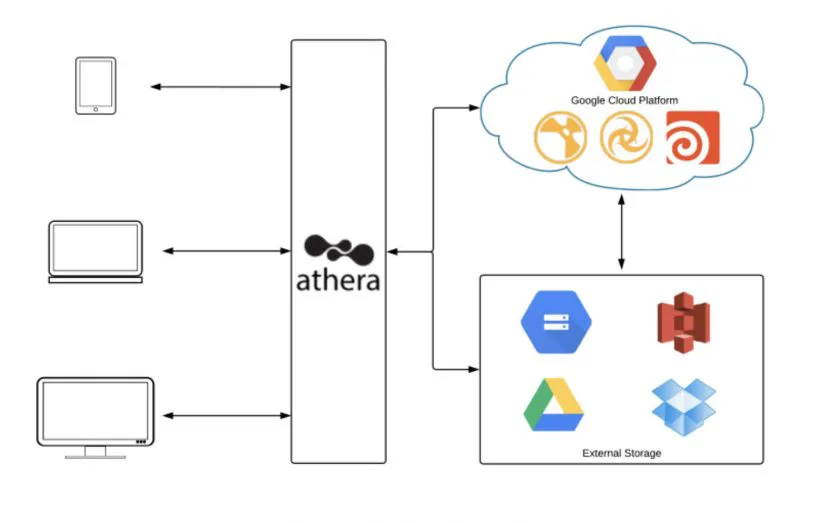
Where budget and schedule permit, visual effects or AIGC technology can be introduced to enhance visual presentation. For example, AI tools can be used to quickly generate face swaps for models of different skin tones and ages, or adjust background environments to match the urban landscapes of target markets. Such technical applications must be built on high-quality pre-production footage; otherwise, they may create a sense of dissonance. Cloud collaboration and real-time rendering technologies mentioned in research cases can provide efficient iteration capabilities for teams, but specific tool choices should be based on the team's existing tech stack.
The key action is to establish a strict visual effects review process to ensure AI-generated content aligns with brand tone and raises no ethical concerns. The risk lies in over-reliance on technology leading to visual distortion or portrait right infringements. The criterion is whether viewers can immediately identify artificial traces; if traces are obvious, the technical approach needs re-evaluation. The consequence is that low integration between VFX and live-action footage will severely damage the brand's professional image. The team must define VFX usage boundaries in pre-production to avoid endless post-production revisions.
Localization Standards for Multilingual Subtitles and Dubbing
Subtitles and dubbing are the last line of defense for localizing global brand expansion videos. Translation cannot rely solely on machine direct translation; it requires cultural adaptation and polishing by native speakers to ensure accurate terminology and appropriate tone. Subtitle layout must account for character length differences across languages, reserving sufficient display time and space. Voice actor selection must align with the target market's auditory aesthetics, avoiding actors with accents or non-standard pronunciation.
The risk at this stage lies in ignoring platform-specific requirements for subtitle formats and encoding, leading to garbled text or synchronization issues after upload. The team must perform technical checks against the latest official guidelines of each publishing platform before delivery. An exception applies to videos targeting non-text-dominant markets, where subtitle reliance can be reduced in favor of strengthened visual storytelling. Deliverables include subtitle files in various formats and separated audio tracks to allow clients to make secondary adjustments as needed. The acceptance criterion is that native speakers experience no comprehension barriers and accurate emotional transmission.
Final Video Acceptance Checklist and Quality Control Milestones
Acceptance should be conducted in phases to avoid accumulating all issues until final delivery. Narrative logic and visual style must be confirmed during the script and storyboard phase; material completeness and technical metrics checked during shooting; pacing and information density verified during editing; and audiovisual consistency ensured during color grading and sound mixing. Written confirmation documents specifying revision comments and responsibility allocation must be signed at each milestone.
The final acceptance checklist should include video resolution, frame rate, bitrate, color space, audio levels, subtitle accuracy, and copyright documentation. The risk lies in vague acceptance standards, leading to inconsistent perceptions of final quality between parties. The criterion is whether the video plays smoothly on target devices without obvious technical flaws. The consequence of lax acceptance is that technical issues arising during subsequent distribution will make responsibility tracing impossible. The team should establish standardized acceptance document templates to improve communication efficiency.
Applicable Boundaries and Project Initiation Recommendations
The multi-version adaptation strategy for global brand expansion videos is not suitable for all projects. If a brand targets only a single niche market, or if the product's selling point heavily relies on local cultural context, customized single-version production may be more cost-effective. Additionally, if the budget is limited and the schedule tight, forcing multi-version production may result in substandard quality for each version. Teams must objectively assess their resources and market demands to choose the most appropriate production path.
For brands preparing to launch projects, it is recommended to first organize existing asset libraries and marketing goals, clarifying core selling points and target audiences. Then, engage in deep communication with the production team to formulate detailed shooting plans and post-production workflows. Do not blindly invest in shooting without clear requirements, nor ignore the importance of post-production localization. ONCE provides content production services including global brand expansion videos, overseas marketing videos, and social media short videos. The team can provide professional production support and consulting based on client needs, assisting brands in efficiently reaching global users.
If you are preparing for a global brand expansion video project, you can first organize your brief, reference visuals, product or corporate materials, delivery platforms, and copyright scope, then view theOverseas Marketing Video Services page, to translate communication from abstract preferences into executable production boundaries.