Define cross-cultural performance expectations during the project initiation phase.
When launching an overseas marketing video project, brands must first clarify the cultural context and performance scope of the target market. Audiences in different regions vary significantly in their acceptance of body language, micro-expressions, and dialogue pacing. Using the exaggerated acting or excessive sentimentality common in domestic ads may be seen as insincere in European and American markets, or appear abrupt in East Asian markets. The team must clearly define in the brief whether the performance style leans toward naturalistic slice-of-life or dramatic stage presence.
Specific actions include reviewing competitors' ad materials in the local market to extract frequently used performance styles. The criterion is whether the chosen style aligns with the brand's existing perception in that region and is compatible with the product tone. The risk is that failing to make a unified cultural judgment early on leads to high revision costs later, or even reshoots. An exception applies when a brand enters a new market with no historical data; in such cases, we recommend minimum viable testing by producing samples to validate audience response before large-scale investment.
Localize scripts rather than simply translating them.
Directly translating Chinese scripts into English or other languages often results in stiff dialogue that fails to match local speech habits. Actionable scripts must be polished by native speakers to ensure idiomatic wording and character appropriateness. For example, slang usage among younger demographics requires caution to avoid outdated or offensive terms. Additionally, scripts should annotate subtext and emotional turning points to help actors understand behavioral motivations, rather than just memorizing lines.
Production teams should require screenwriters to provide two-column scripts containing action cues and emotional annotations. The criterion is whether the dialogue reads smoothly and naturally without logical gaps. The risk is that semantic deviations from literal translation may trigger public relations crises. The consequence is that if scripts are not locally reviewed, actors will frequently ask about intent on set, slowing down production. We advise brands to allocate sufficient time for multiple rounds of script refinement and invite local consultants to participate in proofreading.
Storyboard design serves performance space.
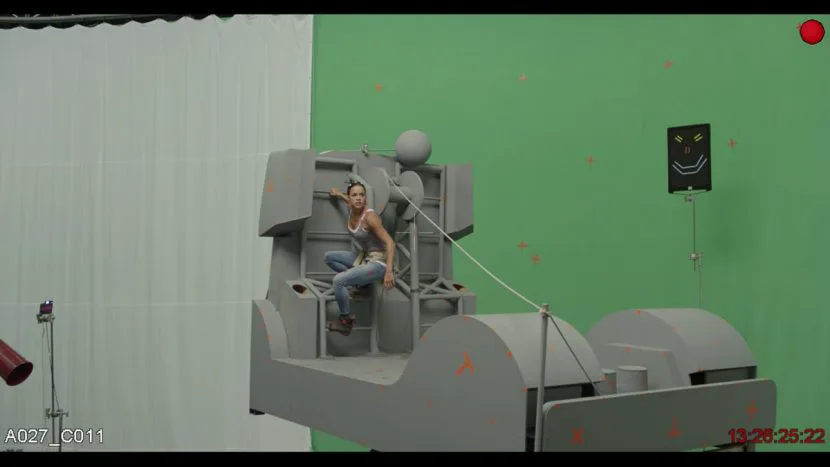
Storyboards are not just shot scheduling diagrams but also spatial guides for actor performance. In overseas shoots, where communication costs are high, storyboards must detail actor blocking, gaze direction, and interaction with props as much as possible. Vague storyboards lead to actors misinterpreting the director's intent, resulting in ineffective performances. Especially in scenes involving complex interactions, key action frames must be clearly marked to ensure sufficient footage supports the narrative during post-production editing.
Cinematographers and directors must jointly confirm performance areas in storyboards to ensure lighting and camera positions do not restrict actors. The criterion is whether the storyboard clearly conveys the performance focus of each shot. The risk is that overly rigid storyboards may suppress actors' improvisational creativity. An exception is documentary-style shooting, where storyboards serve only as a rough framework, allowing more randomness. Teams should confirm storyboard feasibility through pre-visualization videos before shooting to reduce on-set adjustment time.
On-set direction and communication efficiency management.
The core of on-set direction is building trust and efficient communication. Directors need cross-cultural communication skills or should use bilingual on-site producers as bridges. Instructions should be concise and specific, avoiding abstract adjectives and using concrete action demonstrations instead. For example, rather than saying "look happier," specify the degree of mouth corner lift or duration of eye contact. Meanwhile, respect local union rules and work habits, schedule breaks reasonably, and maintain team morale.
Brand representatives on set should avoid directly intervening in actor performances to prevent confusion. The criterion is whether actors can quickly understand and execute the director's instructions. The risk is emotional confrontation or distorted performance due to poor communication. The consequence is that chaotic on-set management may result in low usability of footage, increasing the difficulty of post-production fixes. We recommend holding technical coordination meetings in advance to unify terminology and workflows, ensuring all parties agree on shooting goals.
Performance reshaping in post-production editing.
Editing is the second directing, especially in overseas projects, where performance tension can be adjusted through editing rhythm. If early performances seem flat, urgency can be enhanced by increasing cut frequency or inserting reaction shots. Conversely, if performances are too intense, emotions can be softened by extending shot duration or using smoother transitions. Sound design can also compensate for performance deficiencies; appropriate sound effects and music can guide audience emotions and mask minor performance flaws.
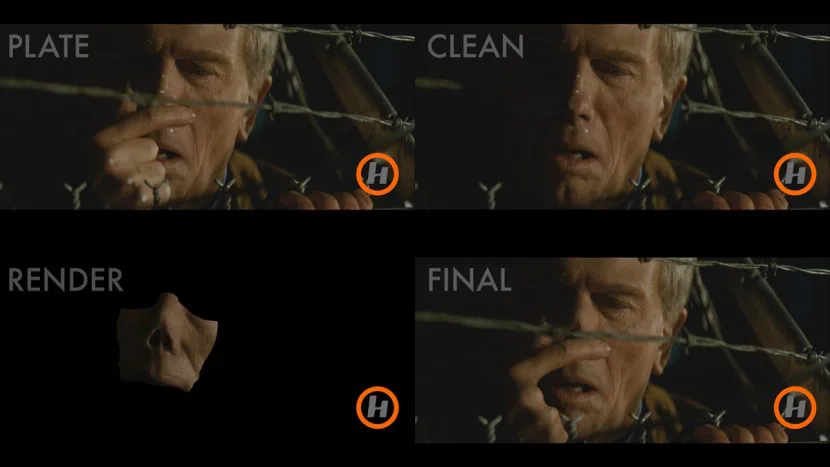
Editors must work closely with directors to select the best performance clips. The criterion is whether the final cut's rhythm meets communication goals and accurately conveys emotion. The risk is over-reliance on post-production effects toxiu shi performances, leading to a lack of authenticity. An exception is highly stylized commercials, where performance serves visual spectacle. Teams should retain multiple performance versions for flexible adjustment based on feedback. Pay attention to audio sync and lip-sync to avoid dissonance caused by mismatched dubbing or subtitles.
Multi-dimensional acceptance checklist and copyright confirmation.
The acceptance phase must cover visuals, audio, subtitles, and legal compliance. Visuals require checks for color consistency, compositional integrity, and continuity errors. Audio requires confirmation of dialogue clarity, ambient sound balance, and background music copyright. Subtitles require verification of translation accuracy, font readability, and timeline synchronization. Legally, confirm the scope of actor likeness rights, music usage licenses, and location shooting permits to ensure no legal risks for distribution on major global platforms.
Brands should verify items against the acceptance criteria agreed upon earlier. The criterion is whether the final video meets established communication goals and technical specifications. The risk is ignoring copyright details, leading to takedowns or claims. The consequence is that lax acceptance will incur extra costs for subsequent revisions. We recommend establishing standardized acceptance documents to record all modification requests and confirmation statuses, ensuring clear accountability. For AIGC-generated content, special labeling and confirmation of platform policy compatibility are required.
Applicability boundaries and next-step recommendations.
This refined script preparation process applies to commercial projects with high brand image requirements, sufficient budgets, and a pursuit of long-term value. For time-sensitive, budget-constrained social media FMCG content, the process can be simplified, focusing on conveying core selling points rather than performance depth. If the target market has significant cultural differences and lacks local team support, we recommend prioritizing collaboration with local production companies rather than remote control.
ONCE provides brand globalization video, overseas marketing video, and social media short video production services, covering the entire process from planning to delivery. If your project faces cross-cultural expression challenges, we suggest first clarifying core communication goals and audience personas, then discussing customized solutions with a professional team. Do not blindly start production without clear requirements to avoid resource waste. Please adjust distribution strategies dynamically based on the latest official requirements before release.
If you are preparing a brand globalization video project, you can first organize the brief, reference visuals, product or corporate materials, delivery platforms, and copyright scope, then view theOverseas Marketing Video Services page, to ground communication from abstract preferences to actionable production boundaries.