Define subtitle hierarchy and visual focus during project initiation.
At the start of a TVC project, the brand and production team must agree on how to present core selling points. Many subtitle obstruction issues stem from not treating text as part of the composition during the script phase. Brands must list required selling-point copy and its priority in the brief. The production team must assess the duration and placement of this copy within the frame.
Establish criteria for determining visual focus. If the product has complex details or dynamic demonstrations, subtitles should avoid covering key functional areas. For example, when showcasing phone screen brightness, subtitles should not appear in the center of the screen. Both parties must confirm safe zones for text in the storyboard phase, reserving blank areas without important visual elements. This step effectively reduces post-production revision costs and avoids re-editing or reshoots due to improper text placement.
Negative space strategy and safe zone setting in storyboard design.
Storyboard artists must reserve physical space for subtitles when drawing storyboards. This involves dynamically adjusting negative space based on camera movement trajectories. For static shots, safe zones can be relatively fixed; for moving shots involving zooms, pans, or tilts, safe zones must be calculated dynamically as the subject moves.
When reviewing storyboards, brands should check if preset text positions risk overlapping with the product. If potential conflicts arise, request immediate adjustments to composition or subtitle timing. Production teams can offer various composition options, including top/bottom negative space, side negative space, or placing text in depth-of-field blur areas. The risk here is that excessive negative space may unbalance the frame, so a balance between information delivery and aesthetics is needed. An exception is when the product is very small or in a long shot; use close-ups with subtitles instead of forcing text into wide shots.
On-set monitoring and marking assistance during shooting execution.
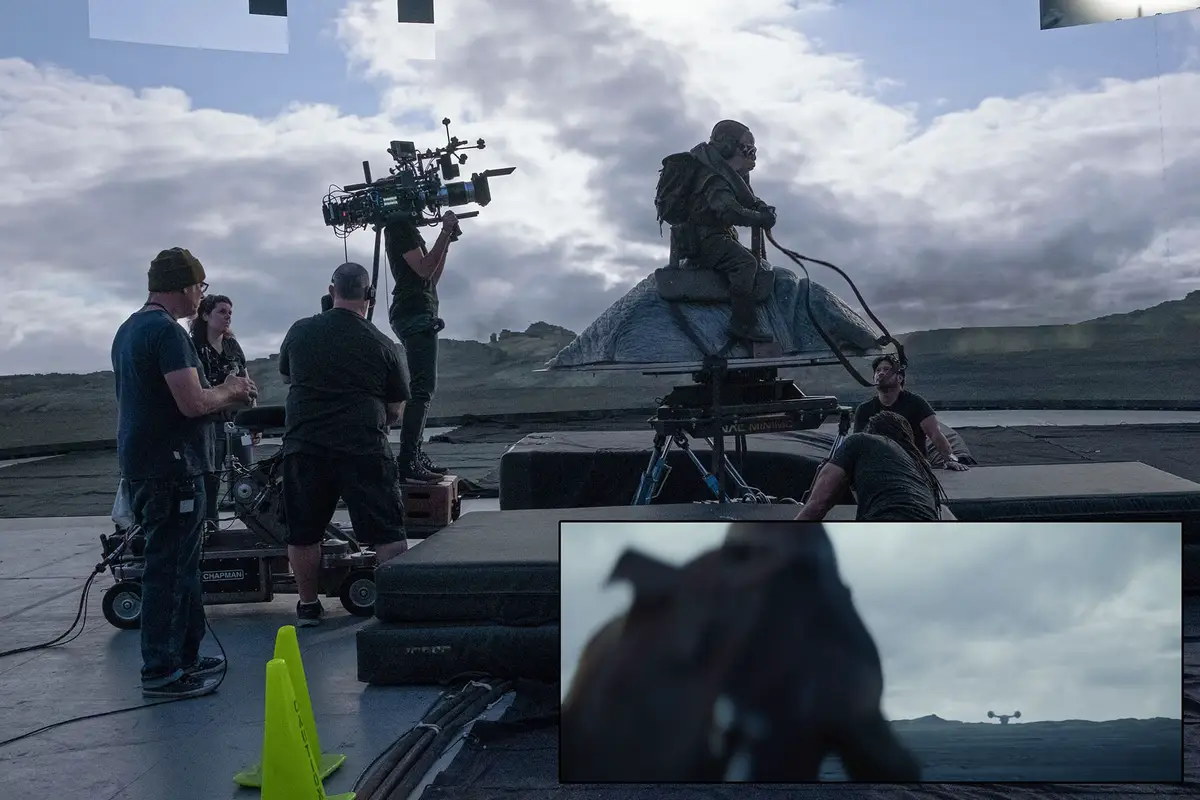
On set, the director and cinematographer must strictly enforce the safe zone standards set in the storyboards. Monitors should display safe frames to visually indicate areas potentially covered by subtitles. Actor blocking and prop placement must avoid these areas to ensure clean backgrounds for later subtitle addition.
If on-set conditions prevent completely avoiding the product, the cinematographer can use shallow depth of field to keep the product sharp while blurring the background or foreground, providing natural space for subtitles. Another strategy is to shoot additional empty plates or pure background footage specifically for overlaying subtitles later. Brand representatives reviewing footage on set must confirm that each clip retains sufficient safe space for subtitles. If key frames are obscured, reshoot or adjust camera positions immediately to avoid leaving issues for post-production. Execution at this stage directly determines post-production flexibility; neglecting it forces compromises like cropping or blurring, reducing image quality.
Dynamic tracking and typography optimization in post-production editing.
Post-production editing is the last line of defense against subtitle obstruction. Editors must precisely control subtitle timing based on the final pacing. If the product moves, use motion tracking to make subtitles follow blank areas or stay within safe zones.
In typography design, avoid overly large fonts or complex effects that distract from the product. Subtitle colors should contrast sufficiently with the background without interfering with the product's color accuracy. For complex backgrounds, add semi-transparent backgrounds or strokes cautiously to avoid degrading overall image quality. During the rough cut review, brands should focus on the spatial relationship between subtitles and the product, ensuring no obstruction and comfortable readability. If brief obstructions occur during motion, adjust the subtitle path or shorten display duration. The risk here is that over-reliance on post-production effects can make the video look cheap, so compositional issues should primarily be resolved during pre-production shooting.
Visual consistency check during color grading and compositing.
During color grading, subtitle color and brightness must harmonize with the overall tone. If subtitles have glow or shadow effects, ensure they remain consistent across different lighting environments to avoid abrupt visual breaks. Compositors must check for clear subtitle edges, ensuring no aliasing or blur, especially in high-resolution outputs.
Brands should check subtitle readability against different backgrounds at this stage. For example, light subtitles may halo in dark scenes, while dark subtitles may look heavy in bright scenes. Production teams should provide test samples with subtitles on various backgrounds for brand approval. If the product surface is highly reflective, avoid overlaying subtitles directly on reflective areas to prevent visual confusion. Delivery at this stage affects the polish and professionalism of the final film; subtle visual inconsistencies can weaken brand image.
Dimension restructuring for multi-platform adaptation and acceptance checklist.
TVCs often run on multiple platforms with different aspect ratios and subtitle safe zone requirements. Production teams must adjust subtitle position and size separately for landscape, portrait, and square formats. Simply applying the same subtitle layout to all formats will likely obscure the product in portrait mode.
The acceptance checklist should include: whether subtitles obscure key product features in each aspect ratio; whether subtitle readability meets standards across different backgrounds; whether motion tracking is smooth and jitter-free; whether font licenses are compliant; and whether source files are layered for future edits. Brands must verify each item, especially confirming subtitle clarity on small mobile screens. If any version has obstruction issues, require the production team to readjust that specific version's layout rather than accepting a global compromise.
Determining applicable boundaries and unsuitable scenarios.
Not all TVCs are suitable for presenting selling points via external subtitles. If the product structure is extremely complex or the visual information density is high, adding subtitles may cause visual overload. In such cases, consider using voice-over narration or graphical animations instead of pure text subtitles. Additionally, if the brand tone emphasizes minimalism and premium feel, excessive subtitles may disrupt the atmosphere, so use them sparingly or retain only essential information.
For emotion-driven narrative ads, keep subtitles minimal to avoid interrupting emotional flow. If core selling points cannot be summarized briefly, use scenario-based demonstrations instead of text explanations. Production teams should assess content type during project initiation; if subtitles would severely interfere with core visual expression, proactively propose alternatives. Brands should also understand that sometimes less is more, and negative space itself is a powerful communication tool.
Next, we recommend brands organize existing product assets and core selling-point lists, then hold a dedicated meeting with the production team to define the role of subtitles in the frame. Through detailed pre-planning and strict execution control, you can effectively prevent subtitle obstruction and enhance the overall communication impact of TVCs.
If you are preparing a TVC project, start by organizing your brief, reference visuals, product or company materials, delivery platforms, and copyright scope, then view theTVC Service Pageto translate abstract preferences into executable production boundaries.