Define audio-visual synchronization goals during project initiation
Before launching a TVC project, the brand must clarify its core communication intent. Sound is not just background; it is the skeleton of narrative rhythm. If the creative strategy emphasizes emotional bursts or fast-paced displays, the accuracy of music beats will directly determine the final quality. At this stage, do not focus solely on visual aesthetics; confirm the copyright scope and structural integrity of audio assets. The production team should request reference samples or specified music styles from the client to assess post-production complexity. Without a clear sound design direction, subsequent editing faces risks of repeated adjustments, causing delays.
Map script and storyboard beats during pre-production
The director and editing supervisor must intervene in audio analysis during the storyboard phase. Import the selected music into the timeline and mark accents, transitions, and climaxes. These time points become natural anchors for shot changes. The script should note whether the expected duration of each shot matches the music beats. For example, fast-cut sequences require sufficient short-shot footage, while long shots should align withshu huan melodies. The brand must confirm at this stage whether actor movements and scene blocking fit the preset rhythm. If on-set performance cannot sync with beats, forced alignment in post-production will distort actions or cause jumpy visuals, ruining the viewing experience.
Specific execution actions include creating a beat reference table, translating every second of musical emotion into visual instructions. The criterion is whether the number of shots in the storyboard logically corresponds to the musical bars, avoiding excessive quick cuts during calm periods or single long shots during climaxes that dissipate tension.
Capture redundant rhythmic footage on set
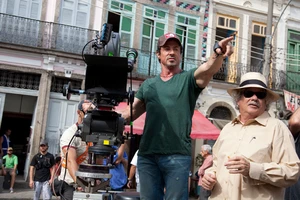
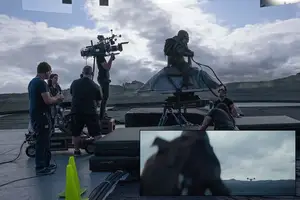
Cinematographers and script supervisors must coordinate closely to ensure sufficient footage for beat-based editing. For key beat points, use multi-camera or multi-angle coverage to provide ample choices. Actor performances should retain complete start and end motions for fine-tuning in and out points later. If complex camera movements are involved, ensure smooth trajectories to avoid shake from post-production speed adjustments. Brand representatives should monitor the fit between actions and intended music, not just composition and lighting. Missing key frames or broken actions will force post-production to use static frames or effects, reducing realism.
The key to on-set execution is leaving safety margins. Each take should have three to five seconds of head and tail whitespace beyond the planned rhythm for finding the best cut points. Qualified footage features coherent actions without errors and includes at least two alternative angles to accommodate post-production rhythm adjustments.
Technical execution of beat markers in post-production editing
Editors first build a rough cut structure based on pre-marked music waveforms. Every cut point should land on drum beats or melody changes, creating dual visual and auditory impact. Strictly distinguish usage scenarios for hard cuts and dissolves, avoiding overuse of effects to mask rhythmic misalignment. For product close-ups, ensure display duration matches viewer cognitive habits, not sacrificing information delivery for beat syncing. If original footage rhythm deviates significantly from music, use time remapping for minor adjustments, controlling distortion levels. Brands should review whether narrative logic is fragmented by prioritizing rhythm.
Technically, use marking tools to precisely label every strong beat on the timeline. The core standard for editing quality is visual flow, meaning viewers do not feel dizzy from abrupt jump cuts and subconsciously sense resonance between visual switches and musical rhythm.
Refine details in sound design and mixing
After picture lock, sound designers perform fine mixing. Background music volume must leave dynamic space for voice and sound effects. Enhancing sound effects at key beats can strengthen visual impact but must not overpower. Ambient sounds and Foley must align seamlessly with visual actions; any slight delay causes viewer discomfort. Brands must confirm final track compatibility across playback devices, ensuring clean lows and non-harsh highs. For multilingual versions, plan dubbing lip-sync and music beat coordination early to avoid high costs of re-composing later.
Conduct multi-terminal testing during mixing, including phone speakers, car audio, and professional monitors. The standard is that voice clarity is not squeezed by background music, and key sound effects like switches or collisions accurately land on visual focal points, forming a complete sensory process.
Standardized checklist for delivery and acceptance
During acceptance, verify script, storyboard, edit, color grading, sound, subtitles, and master files item by item. Focus on accurate beat points, absence of artifacts from speed changes, and color consistency across scenes. Organize source files by directory structure, including project files, proxy footage, and final render layers. Brands must confirm clear copyright ownership with no unauthorized materials. If rhythmic misalignment or audio-visual desync is found, specify timecodes in revision notes to avoid inefficient rework due to vague descriptions. Archive all revision records as basis for future optimization.
Introduce third-party technical QA in the acceptance process, using professional software to detect audio phase and video frame rate stability. Delivery qualifies only if all technical parameters meet broadcast standards and content fully restores the rhythm settings in the creative brief, with no unconfirmed temporary materials remaining.
Identify project types unsuitable for strong rhythmic editing
Not all TVC commercials suit strong beat editing. If brand tone leans toward steady, professional, or deep narrative, excessive beat syncing weakens trust. Documentary-style interviews, complex feature demos, or subtle brand stories suit natural, fluid editing rhythms. Here, music serves as atmosphere, not structure. Brands must choose styles based on product attributes and audience psychology, avoiding blind trend following. Forcing calm content into fast frameworks causes information overload and viewer fatigue, lowering conversion rates. Production teams should disclose risks during proposal stages to guide rational client decisions.
Risk assessment must consider target audience acceptance thresholds. The standard for applying strong rhythm is whether core information needs prolongedting liu for digestion. If product selling points are complex, forced fast cutting creates cognitive barriers; abandon beat-driven approaches for logic-driven narrative structures.
Value of full-process collaboration andqian zhi sound thinking
Brands are advised to lock music demos early and invite editing supervisors to initial creative meetings in future projects. Front-loading sound thinking reduces post-production communication costs and improves final precision. From strategy derivation to final delivery, synchronized planning of sound and picture is key to TVC quality. Production teams must break traditional linear workflows, establishing parallel audio-visual collaboration mechanisms to ensure every creative step serves the final audiovisual experience. This systematic approach not only avoids rework risks but maximizes creative impact, optimizing brand communication results.
If you are preparing a TVC project, organize your brief, reference visuals, product or company materials, delivery platforms, and copyright scope before viewingthe TVC commercial service pageto ground communication from abstract preferences to executable production boundaries.