Redefining the Role of Interviews in Brand Storytelling
When planning corporate videos, many marketing leaders treat founder interviews as mandatory compliance tasks, resulting in final cuts that resemble teleprompter-read reports. This approach undermines the humanization of the brand. A genuine conversational tone stems from natural expression grounded in meticulous planning. During project initiation, the production team must clarify whether interview segments are intended to build trust or explain complex technical logic. If the former, emotional authenticity takes precedence over information completeness; if the latter, accuracy outweighs emotional impact. Conflating these objectives causes conflicting on-set directions and difficult editing choices. Brands should identify three core story anchors in advance rather than providing full speeches. This enables cinematographers and directors to design shots around specific contexts instead of merely recording talking heads.
De-scripting Preparation in Pre-Production
Traditional storyboards often restrict the interviewee's expressive space. During preparation, use a question list instead of a verbatim script. This list should avoid specific adjectives or conclusive statements, focusing instead on experiences, challenges, and decision-making moments. For example, ask about the biggest obstacle faced at the time rather than requesting a description of core company values. The production team should conduct pre-interviews with the founder to test their responsiveness and naturalness to different questioning styles. If the founder frequently uses formal written language during pre-interviews, post-production correction costs will be high. In such cases, adjust the questioning strategy to guide them toward restating points conversationally. Over-reliance on fixing verbal slips in post-production risks disrupting audio continuity and visual rhythm, leading to sluggish pacing and audience disengagement. Therefore, the key pre-production task is identifying trigger questions that elicit instinctive responses.
Physical Environment and Psychological Preparation On Set
The impact of environment on conversational flow is often underestimated. Enclosed studios can create pressure, causing physical stiffness. Choosing authentic office spaces or production lines relevant to the business helps founders enter a familiar flow state. Lighting should avoid dramatic cinematic effects, opting instead for soft, naturalistic ratios to reduce the feeling of being scrutinized. Cinematographers recommend using telephoto lenses from a distance to minimize equipment visibility. Sound recordists must ensure lavalier microphones are concealed and stable to prevent clothing noise from interfering with post-production. Crucially, the director should engage in informal conversation with the founder before rolling to establish trust. Monitor whether the founder’s gaze focuses on the interviewer rather than the lens. If frequent blinking or wandering eyes occur, pause to reset the pace. An exception applies when founders lack camera experience; occasional glances at the lens are permissible provided overall visual consistency is maintained.
Multi-Camera Coordination and Redundant Footage Capture
Dual or multi-camera setups are essential investments for post-production editing flexibility. The primary camera captures facial micro-expressions and eye contact, while secondary cameras record gestures and environmental interactions. This configuration allows editors to maintain audio continuity while masking cuts through angle changes. The production team must ensure consistent frame rates, color temperatures, and exposure across all cameras to facilitate matching. Risks include synchronization failures or data corruption, necessitating dual backup protocols on set. Additionally, capture ample B-roll and reaction shots, including listening nods, thoughtful pauses, and laughter. While not directly informational, these elements are vital for creating a conversational atmosphere; without them, the final video may appear sterile and impersonal. During review, verify focus accuracy across all angles, particularly eye focus in shallow depth-of-field shots.
Restoring Rhythm and Breath in Post-Production Editing
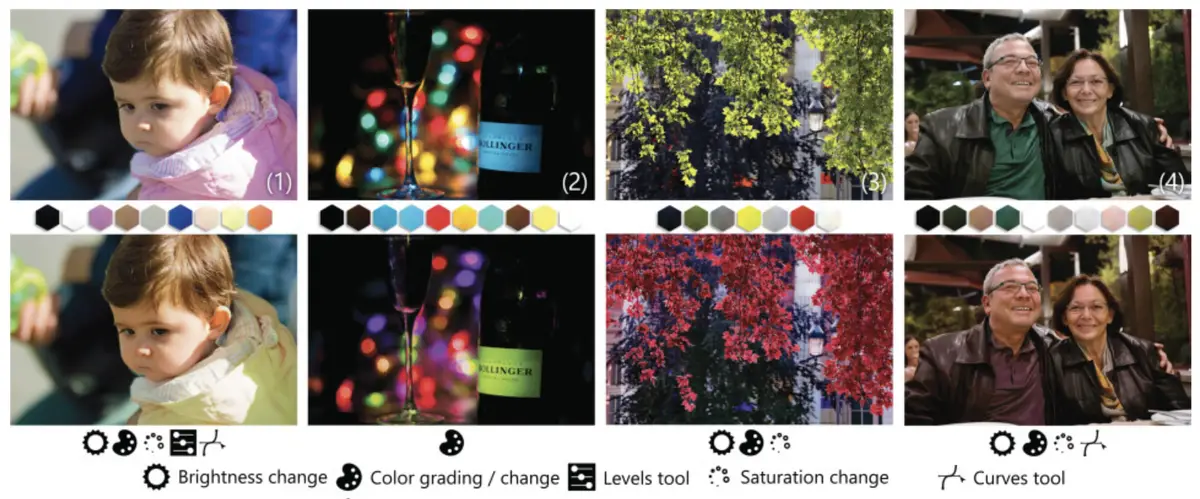
Editing focuses on reconstructing conversational rhythm. Skilled editors retain appropriate pauses, filler words, and even minor thought processes, as these imperfections generate authenticity. Over-sanitizing audio and visuals distorts the subject's persona, creating an artificial, AI-like detachment. Color grading should maintain natural skin tones, avoiding excessive smoothing or oversaturation that undermines the documentary aesthetic. Sound design must balance dialogue with ambient noise, retaining moderate spatial reverb to enhance immersion. Subtitles require strict terminology verification and typography aligned with brand identity. A critical step is internal testing of the rough cut with non-project members to assess logical clarity. Frequent rewinding or confusion indicates narrative gaps. Since repeated revisions cause delays, validating narrative logic during the initial edit is crucial.
Multidimensional Acceptance Criteria for Final Delivery
Acceptance reviews should evaluate content effectiveness beyond mere image resolution. Brands must verify against initial core selling points to ensure the interview accurately covers preset information hierarchies. Technically, check audio levels against platform specifications and inspect footage for flickering or color banding. Legally, confirm commercial licensing for all background music, fonts, and stock assets to avoid disputes. Deliverables should include project files, textless masters, and subtitled masters to facilitate multi-channel distribution. Neglecting platform-specific encoding requirements risks severe quality loss upon upload; therefore, obtain current technical guidelines for each platform before delivery. For overseas distribution, additionally verify cultural adaptation of subtitles and compliance with international loudness standards.
Scenarios Where Authentic Conversational Style Is Inapplicable
Not all corporate videos suit a natural conversational style. When communicating rigorous financial data, legal disclaimers, or highly standardized procedures, precision supersedes engagement, warranting a formal presentation style. If the founder’s personal image significantly diverges from perceived brand professionalism, or if internal consensus on core messaging is lacking, forcing naturalness may cause internal friction or external misunderstanding. Furthermore, projects with minimal budgets and tight timelines cannot support multi-camera shoots or refined editing, making efficient direct-to-camera formats more practical. Assess content error tolerance: high-risk content requires sacrificing some authenticity for absolute accuracy. Brands should identify these boundaries during project initiation to prevent resource misallocation.
Next steps include compiling existing brand assets and past public speeches by the founder to analyze highlights of natural expression as shooting references. Simultaneously, discuss specific channel constraints with the production team to align technical solutions with deployment scenarios. Respecting content authenticity builds long-term trust more effectively than pursuing visual spectacle.
If you are preparing a corporate video project, start by organizing your brief, visual references, product or company materials, delivery platforms, and licensing scope, then visit ourCorporate Video Services pageto translate abstract preferences into actionable production parameters.