Safety Narrative Positioning During Project Initiation
Before launching a corporate video project, the brand must clarify the core communication objective for laboratory scenes. If the goal is to demonstrate scientific rigor, the visual language should emphasize standardized processes and precise details. If the goal is to convey humanistic care, the focus should be on capturing researchers' concentration and moments of teamwork. Incorrect positioning leads to footage cluttered with equipment while neglecting the human element, or overly dramatized procedures that undermine professionalism. The production team should confirm the audience's level of familiarity with safety protocols during the briefing phase to avoid using terminology that is too basic or too obscure.
The key action at this stage is establishing the narrative logic that 'safety equals quality.' The risk lies in turning safety protocols into dry, didactic content. An exception applies when laboratories involve highly classified information; filmable and restricted zones must be defined in advance, directly impacting script feasibility. The consequence is that failing to clarify confidentiality red lines early may result in significant footage being discarded later, causing schedule delays and budget overruns.
Pre-production Preparation and Compliance Review
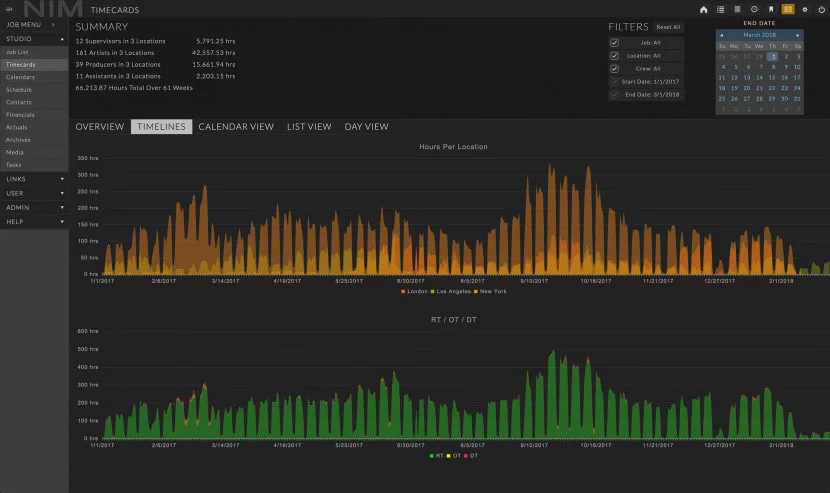
The brand must compile a complete laboratory access checklist and safety operation manual. These documents serve not only as the basis for filming but also as the foundation for legal liability protection. The production team must develop a detailed shooting plan based on these, including standard procedures for wearing personal protective equipment, confirmation of emergency evacuation route signage, and plans for obscuring sensitive data. Referencing industry studio management concepts, efficient production management begins with a thorough understanding of on-site rules.
Specific actions include holding multi-party coordination meetings and inviting laboratory safety officers to participate in script reviews. The criterion is whether every operational step in the script complies with current national standards or the company's highest internal safety level. A critical risk is temporarily altering experimental procedures for visual aesthetics, which is strictly prohibited. An exception is that demonstrative experiments may use substitute materials, provided 'Demonstration Only' is prominently displayed on screen or via subtitles. Deliverables should include signed filming permits and safety liability commitment letters.
On-site Execution Details and Control
When entering the laboratory to film, the camera and lighting crews must strictly adhere to dust-free and anti-static requirements. For lens selection, macro lenses showcase the precision of instrument readings, while wide-angle lenses are suitable for presenting the overall cleanliness and order of the environment. Lighting setups should avoid glare that interferes with precision instrument readings while ensuring soft, natural facial lighting to reflect the professionalism and confidence of researchers. All cables must be concealed to prevent tripping hazards.
The key action is implementing a 'silent filming' principle to minimize disruption to normal experimental operations. The criterion is whether the footage shows any violations of safety attire, such as missing goggles or improperly worn gloves. A risk is the appearance of unrelated personnel or uncleared experimental waste in the background, which severely damages brand image. An exception is when filming dynamic reaction processes requiring high-speed cameras; additional assessment of equipment vibration impact on experiments is necessary. The consequence is that lack of on-site supervision may lead to soaring reshoot costs or even safety incidents.
Logical Reconstruction and Pacing in Post-Production Editing
Post-production focuses on reinforcing safety logic. Editors must reorganize shots according to chronological or logical sequence to ensure viewers clearly understand the necessity of each step. In sound design, retain key instrument alerts and ambient noise to enhance immersion, but reduce noise interference with voiceover clarity. Background music should be calm and rational, avoiding overly intense tracks that disrupt the rigorous atmosphere.
Specific actions include creating a rough cut for safety experts to review the continuity of operational procedures. The criterion is whether viewers can understand core operational points without relying on subtitles. A risk is the excessive use of special effect transitions, causing visual fatigue and distracting from safety details. An exception is that CGI or AIGC technology may be reasonably used to visualize microscopic reactions or internal structures, provided they are labeled 'Simulated Footage.' Deliverables include a time-coded review version and a revision log.
Standardized Acceptance for Color Grading and Sound
Color grading must ensure accurate color reproduction of the laboratory environment; white walls and stainless steel equipment should have no color cast to convey cleanliness. Skin tone processing should be natural and healthy, avoiding excessive smoothing that loses authentic texture. Sound mixing must balance vocals, ambient sound, and background music to ensure good audio quality across different playback devices. Subtitles must meet accessibility standards with clear fonts and sufficient display duration.
The key action is dual verification on professional monitors and standard consumer screens. Criteria include checking for lost shadow detail, blown-out highlights, and vocal clarity. A risk is image distortion caused by color space compression across different platforms. An exception is for overseas marketing videos, where regional color preferences and subtitle language conventions must be considered. The consequence is that failing standardized acceptance may make the final video appear cheap or unprofessional in professional settings.
Final Delivery and Copyright Scope Confirmation
The delivery phase must specify master format, resolution, and encoding standards to accommodate various channels such as websites, social media, and offline exhibitions. Simultaneously, the scope and duration of copyright licenses for music, fonts, and stock assets must be clearly defined. Brands should retain project files for future adjustments, subject to applicable fees. The production team must provide a comprehensive usage guide, including descriptions of applicable scenarios for different versions.
Specific actions include signing the final acceptance form and copyright transfer or licensing agreements. The criterion is whether deliverables are complete and play correctly on designated platforms. A risk is omitting adapted versions for niche platforms, resulting in secondary production costs. An exception is that if the project includes AIGC-generated content, copyright ownership and usage restrictions must be specifically noted. The consequence is that clear copyright definitions prevent future legal disputes and protect long-term brand interests.
Inapplicable Scenarios and Boundary Definitions
Such highly standardized corporate videos are unsuitable for scenarios requiring strong emotional resonance or entertainment-oriented communication. If the brand goal is rapid customer acquisition or viral spread, the laboratory safety theme may lack appeal due to its seriousness. Furthermore, if a laboratory is in early R&D stages with unstandardized processes, filming such videos is inappropriate to avoid exposing immature operational systems.
The criterion is whether communication objectives are strongly correlated with 'trust,' 'professionalism,' and 'rigor.' A risk is forcing this model onto content, causing a disconnect with brand tone. An exception is incorporating safety protocols as part of, rather than the entirety of, the brand story. Brands are advised to honestly assess their development stage and communication needs during project initiation to avoid resource misallocation. If uncertain, produce short videos to test market response before committing to full-length production.
Recommended next steps include reviewing existing laboratory operation video assets to assess compliance and visual quality, determining whether to reshoot or create derivative works based on existing footage. Simultaneously, contact production teams with relevant industry experience to request targeted filming plans and safety protocols, ensuring the project proceeds within controllable parameters.
If you are preparing a corporate video project, start by organizing your brief, reference visuals, product or company materials, delivery platforms, and copyright scope, then review theCorporate Video Services Pageto translate abstract preferences into actionable production boundaries.