The structure of multiple versions must be determined at the project initiation stage.
The key to shooting multiple versions of a TVC commercial in one shoot is to work backward from the version matrix starting at project initiation. The brand needs to answer three questions first: first, which platforms this campaign needs to cover; second, in what scenarios audiences on each platform will watch; third, whether the core message of each version is allowed to have different emphases. These three answers determine the boundaries of the script structure, shooting materials, and post-production workload.
At the project initiation stage, the brand should prepare a version requirement sheet, listing each version's name, duration, platform, playback environment, core selling points, must-have shots, and omittable shots. For example, a 15-second social media version might only retain product close-ups and a slogan, while a 60-second brand version requires a complete narrative. After receiving this sheet, the production team must determine which versions can share the same set of shots, and which versions require additional shooting for supplementary material. If the differences between versions are too large, such as one being rational explanation and the other being emotional atmosphere, the feasibility of a single shoot decreases, and the brand needs to be informed in advance to adjust expectations.
The standard for determining whether shooting multiple versions in one session is feasible is whether all versions' core shots can be completed in the same scene, with the same characters, and under the same lighting conditions. If even one version requires a completely different scene or character state, you must consider splitting it into two shoots or accepting increased post-production compositing costs. At this stage, the brand should not just provide a vague 'multi-version' request, but clearly state the purpose of each version, so the production team can design a shot coverage plan accordingly.
Scripts and storyboards should be written based on asset reuse logic.
The script focuses on writing a shot list for an asset library. Each shot must be annotated with which versions it might be used in, and its function in those versions: narrative, demonstration, or transition. For example, a product rotating shot could be used at the beginning of a 15-second version and at the end of a 30-second version, so it should be shot separately and not tied to character actions.
During the storyboard phase, distinguish between main shots and auxiliary shots. Main shots are core images that must appear in every version, while auxiliary shots are supplementary images used to fill the pacing of different versions. The number of auxiliary shots must be sufficient, at least twice the number of main shots, so that post-production has enough material to adjust pacing and narrative. The storyboard should annotate each shot's framing, movement, character actions, and product placement, making it easy to quickly confirm during shooting whether all version needs are covered.
During the storyboard phase, the production team must complete a version simulation, arranging each version's script on a timeline to check which shots are repeated. Repeated shots can be prioritized for shooting, and their quality must be high enough since they will be reused across multiple versions. If a version is found to require a large number of unique shots, assess whether to add shooting days or adjust the version structure. The brand should participate in the storyboard review to confirm that no core information for any version has been omitted.
Execute on set according to the asset matrix.
The core of on-set execution is the asset matrix, which means converting the storyboard into a shot list, marking which version needs each shot covers after it is filmed. The Director of Photography should confirm the shooting order of each shot with the director in advance, prioritizing main shots shared across multiple versions, followed by auxiliary shots. This ensures that even if shooting time is tight, the basic assets for all versions are complete.
During the shoot, note three things. First, shoot multiple takes of each shot with different performance rhythms, as post-production versions may require different emotional intensities. Second, shoot both a version with the product and one without for each shot, allowing for flexibility in narrative versions during post-production. Third, shoot empty scenes and detail close-ups for each setting; these assets are very useful for adjusting pacing and transitions in post-production.
For audio, record ambient sound and sync sound separately for each shot; do not mix them. Multi-version editing may require rearranging dialogue order, and clean audio tracks reduce post-processing costs. Keep lighting and set setups as consistent as possible. If different versions require different color tones, this can be achieved in post-production color grading, rather than frequently changing lights on set, which wastes a lot of time.
The risk on set is the simultaneous occurrence of asset redundancy and asset insufficiency. Redundancy comes from shooting too many useless shots, while insufficiency comes from failing to cover a key need for a certain version. The solution is to assign an asset manager to check against the shot list in real-time, ticking off each shot as it is completed, and checking for omissions before wrapping. The brand representative should also confirm on set whether key shots meet the standard, rather than discovering in post-production that a version is missing core shots.
Post-production editing uses multiple version timelines in parallel.
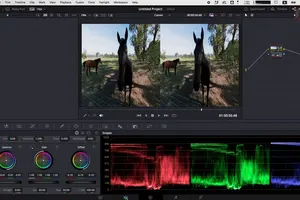
For multiple versions in post-production editing, do not cut one complete version first and then revise it. Instead, set up multiple timelines to advance in parallel. Each timeline corresponds to one version. First, import all assets uniformly, then select shots separately according to version requirements. This avoids redundant work and keeps the style consistent across different versions.
Editors should prioritize completing rough cuts for all versions before refining them one by one. In the rough cut stage, do not get overly caught up in details. First, build the narrative skeleton for each version and confirm whether each version covers the core selling points. In the refinement stage, adjust pacing, transitions, and music. If a certain version requires different music or sound effects, mark it during the rough cut stage so sound design can prepare in advance.
The color grading stage should use a unified color management workflow. Do a base grade for all versions first to ensure a consistent visual style, then make fine adjustments for each version. For example, the social media version might be brighter, and the brand version might be more subdued, but the base tone should not deviate too much, or it will look like it's not from the same project. Colorists should save the color grading version records for each version to facilitate future revisions.
Sound design should distinguish between the main mix and version mixes. The main mix is used for the brand version and includes full music, sound effects, and dialogue. Other versions can be simplified based on the main mix, such as removing some ambient sounds or shortening music sections. Subtitles and title animations should also be produced separately according to platform requirements. Subtitle formats and sizes may differ across platforms, so check them one by one before delivery.
Delivery and acceptance should be checked item by item by version.
The focus of delivery and acceptance is checking item by item by version. For each version, check the picture, sound, subtitles, duration, format, and copyright information. For picture, confirm there are no goofs, unauthorized logos, or faces. For sound, confirm dialogue is clear and music does not exceed copyright scope. For subtitles, confirm there are no typos and they comply with platform specifications.
The brand should prepare an acceptance checklist listing the delivery requirements for each version, including resolution, frame rate, codec, color space, subtitle format, and file naming conventions. The production team should self-check before delivery, then submit it to the brand for review. If a version does not meet requirements, clarify whether to revise or re-render, and record the number of revisions and the reasons.
Master files and source files should be delivered separately. The master is the final file used for distribution, and the source files are backups containing all assets and project files. The brand should confirm the integrity and editability of the source files to avoid being unable to make changes when future modifications are needed. Regarding copyright, confirm that all music, fonts, images, and talent releases cover the usage scenarios of all versions. For versions intended for overseas distribution in particular, confirm the copyright scope in advance.
Situations where shooting multiple versions at once does not apply.
Not all TVC commercials are suitable for shooting multiple versions at once. If the versions require completely different scenes, characters, or lighting, such as one version being indoors during the day and another being outdoors at night, then the difficulty and cost of shooting at once will increase significantly, making it better to shoot them separately. If the versions require different actors or performance styles, it is also not suitable to force a merger.
If the brand has very specific requirements for each version, such as having to use different visual languages or narrative structures, then a single shoot may not meet all needs. In this case, the production team should suggest increasing the number of shooting days or adjusting the number of versions in advance. Additionally, if the capacity for storing footage and post-production processing is limited, multiple versions may extend the delivery cycle, requiring an assessment of whether it is worth it.
Finally, if the brand has extremely high artistic requirements for the final film, such as each version needing a unique visual style, then the footage from a single shoot may not be sufficient to support this diversity. In this case, you can consider using AIGC tools in post-production to assist in generating some transition shots or background footage, but copyright and compliance must be confirmed in advance. In short, shooting multiple versions at once is suitable for situations where the versions share a large amount of footage, the core message is consistent, and the platform differences mainly lie in duration and pacing.
Next steps
When preparing a multi-version TVC commercial project, it is recommended to complete the version requirements sheet and asset matrix before entering production. The brand and the production team should jointly confirm the key shots and omittable content for each version to avoid rework in post-production. Assign an asset manager on set, run parallel editing in post-production, and perform item-by-item acceptance upon delivery. If the project's complexity exceeds the capacity of a single shoot, do not force it; adjusting the plan in a timely manner is the only way to guarantee the final film's quality.
If you are preparing a TVC commercial project, you can first organize the brief, reference images, product or corporate materials, delivery platforms, and licensing scope, then reviewTVC commercial service page, translating communication from abstract preferences into executable production boundaries.