Generative AI can assist in exploring assets for fashion videos, but a single prompt rarely yields a deliverable commercial. Archived projects combine garment images, person segmentation, pose control, diffusion models, and traditional compositing to handle each step separately. Current Firefly documentation also offers text-to-video and motion references, allowing creators to describe content via text and use reference videos to constrain pan, zoom, tilt, and motion paths.
First, break the frame into inspectable modules.
The first step in fashion video is organizing reference images and brand assets. Garment silhouettes, material textures, character identity, and background relationships must all be defined during input. Person segmentation separates the subject from the environment, pose or motion references define movement, generative models explore visuals, and traditional compositing integrates usable clips back into shots and timelines.
A modular approach makes troubleshooting easier. Garment distortion can be traced back to reference images and generation settings, unstable subject edges to segmentation and compositing, and poor shot pacing to editing and motion design. Teams should retain all inputs and outputs rather than attributing every issue to a single prompt.
Start with a short test clip.
Before full production, create a short clip to evaluate three outcomes.
- Does the pose follow the motion reference, and are there any sudden shifts in body proportions?
- Do materials and garment structures remain consistent across consecutive frames, and is there any texture flickering?
- Does the camera movement meet expectations, and does the visual pacing integrate smoothly into the edit?
Firefly's motion reference can provide camera movement guidance. Tests should compare the effects of text prompts, reference images, and reference videos while documenting the model and version used. Only when tests consistently address these questions is it worthwhile to scale to additional shots.
Brand approval must adhere to final delivery standards.
Generated outputs require manual selection and compositing. Fashion commercials must verify at least the following:
- Are garment structure, patterns, and materials consistent throughout?
- Are character identity and key styling consistent across shots?
- Do shot pacing, composition, and movement align with brand requirements?
- Are all clothing images, character references, and other assets properly licensed?
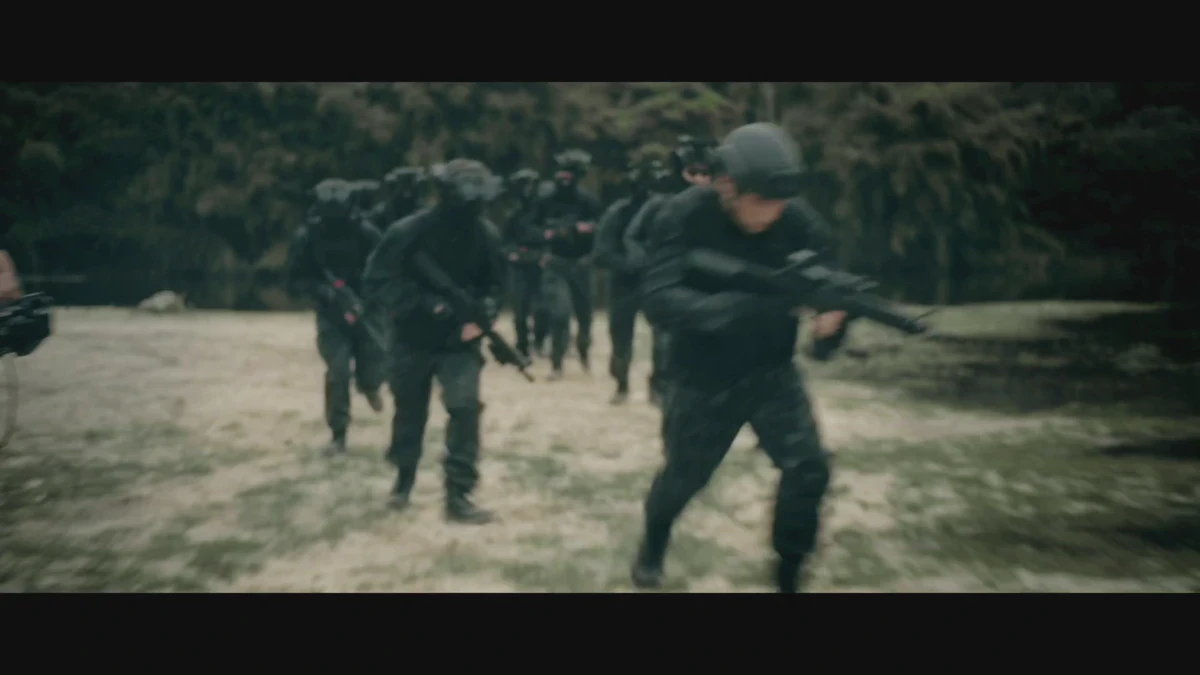
These checks should be integrated into the editing, compositing, and export stages, rather than relying solely on single-frame previews in the generation interface. ONCE proprietary product visual stills are provided here only for contextual reference and do not represent generative fashion video output.
Archive sources together with version numbers.
For each iteration, save reference images, prompts, models and versions, motion references, manual retouching, edit versions, and final exports. Content Credentials can serve as part of the provenance and editing record but do not guarantee content authenticity or undisputed copyright. Commercial use of generated videos and model terms are subject to the current service provider's terms; platform-specific guidelines should not be generalized to all platforms.
When to Scale Up
The team should proceed with additional shots only after a sample passes manual review for pose, texture, and camera movement, and when input and retouching records are complete. When core brand assets or sensitive materials are involved, confirm upload scope and authorization before deciding between cloud generation or local processing. The final deliverable still requires compositing, color grading, and manual shot-by-shot inspection.
Asset Verification
- Adobe Generate videos using text prompts
- Adobe Firefly FAQ
- Adobe Content Credentials overview
- Research Seed 0921 Generative AI fashion videos