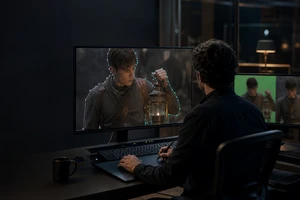
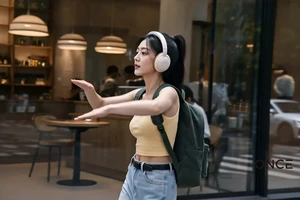
To determine if AI facial animation suits a brand short film, first identify which performance elements must be preserved. Lip sync, eye contact, subtle muscle movements, character identity, and vocal rhythm all affect naturalism. While models can help generate animation, directors and animators must still verify each shot against reference footage.
Facial Animation Is More Than Just Lip Sync
Publicly available production notes for Call of Duty: Modern Warfare II reveal that DI4D and Infinity Ward simultaneously captured actors' facial, body, and vocal performances to create digital doubles for main characters. The team also combined high-precision facial scans, FACS poses, and dynamic 4D data, enabling the rig to express more intermediate states.
The value of this pipeline lies in linking performance data to the digital character. Matching lip shapes to audio solves only one visible issue. Eye pauses, facial asymmetry, jaw movement during speech, and emotional shifts must all correspond to the actor's original performance.
Brand Short Films Must Define Shot Distance First
Full shots require only stable alignment between motion and audio; medium shots make lip sync and eye contact critical; close-ups amplify skin, teeth, hair, and lighting details. An animation that works in a wide shot may immediately appear stiff in a close-up.
Brands must also decide upfront whether the character will be a digital double, a stylized avatar, or a partially corrected live-action subject. Different goals entail different workloads for capture, modeling, rigging, and manual refinement. Do not wait until late in production to decide whether the character should look realistic.
Retain both reference data and manual review records.
Epic's current MetaHuman Animator documentation supports capturing facial and body performances from various video and audio devices. This capability is suitable for pre-visualization and rapid testing, but formal commercials still require retaining original video, audio, shot lists, character versions, and manual correction records.
During acceptance, evaluate the footage across four criteria: lip-sync accuracy, clear eye focus, continuity of facial motion across cuts, and consistency of lighting and skin tone. Any issue should be addressed in the corresponding performance or rigging stage.
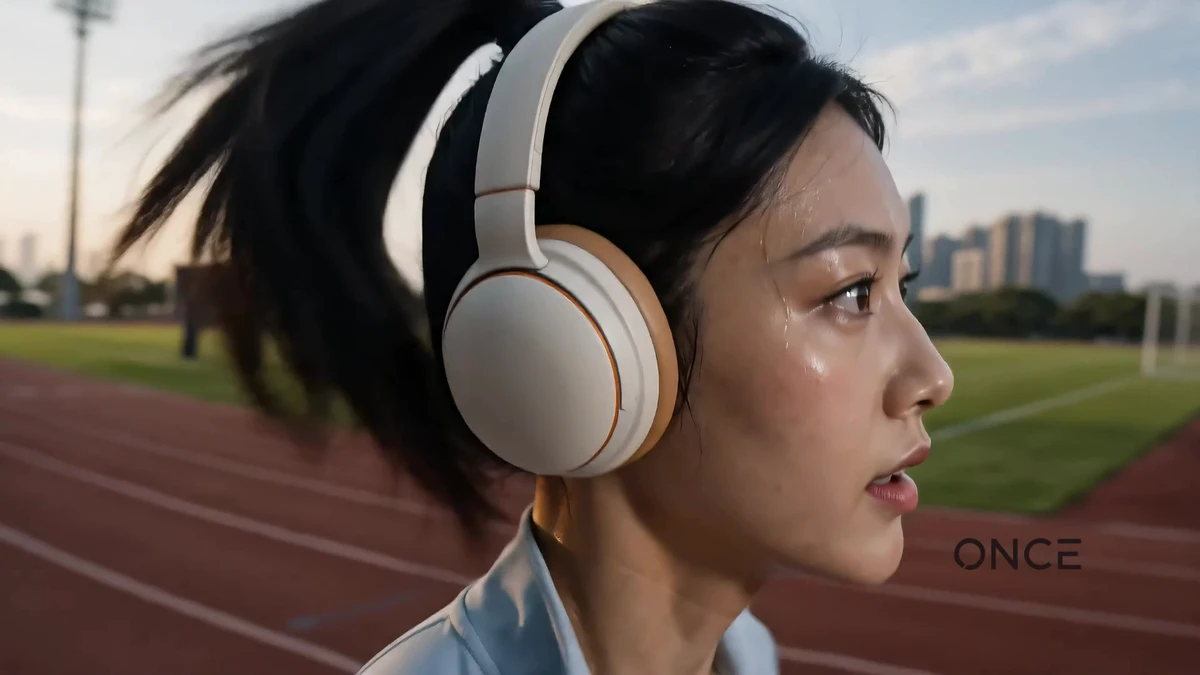
The image below is from ONCE's proprietary lifestyle footage, used to discuss how real human expressions, camera distance, and ambient lighting affect viewer perception. It is not an AI-generated facial animation output.
Ask six questions before starting tests
- Is the character a digital double, a stylized character, or corrected live-action footage?
- Will the final shots be primarily wide, medium, or close-up?
- Are licensed actor facial, voice, and performance data available?
- Who is responsible for approving lip sync, eye contact, emotion, and lighting?
- How many languages, versions, and platform aspect ratios are required?
- How are manual corrections and rework handled when unnatural shots occur?
AI facial animation is best tested using short segments and representative performances. It reduces repetitive work but cannot replace the brand's decisions on how characters should speak and look. When planning characters, voices, and multi-version content together, start with ONCE AI Content Production Portal to begin the discussion.
Material Review
- Research Seed 0919 AI-aided facial animation for Call of Duty Modern Warfare II
- Epic Games MetaHuman Animator
- Paper Neural Voice Puppetry