Neural rendering is often viewed as a magical replacement for filming. In the context of brand content, it functions more as a production method that generates new visuals from performance data, audio, and reference footage. Project suitability depends on whether the required changes involve language, facial movement, lighting, or the entire product and environment.
The 'The Champion' case study addresses language versioning.
According to public sources, the English version of the film 'The Champion' had original actors re-record dialogue, after which a neural rendering pipeline named Plato adjusted facial performances to match lip movements to the new language. Since principal photography was complete, the team did not need to rebuild sets for the entire film.
This case focuses on preserving the actor's performance and original camera conditions. Sources note that the new dialogue was captured with multiple cameras, allowing the pipeline to handle varying lighting and angles while enabling technical artists to adjust individual shots. This demonstrates that neural rendering adds value when existing content is already solid and only one layer of information requires modification.
Product advertising requires distinguishing between three types of modifications.
For simple text or color replacements on packaging, traditional compositing and 3D assets may offer easier approval. Neural rendering offers viable R&D and production options when changing spoken language, lip sync, or facial performance. However, altering product structure, materials, or camera movement is typically more controllable through remodeling or reshooting.
Neural rendering is also affected by input quality, facial occlusion, angles, motion blur, and lighting changes. The more close-ups in a brand ad, the easier it is for viewers to spot inconsistencies in teeth, eye gaze, hair strands, and skin texture. Testing should begin with the most challenging shots rather than limiting scope to simple front-facing talking heads.
Production workflows must allow for human decision-making.
Projects should retain original performances, audio, footage, reference frames, and every output version. Technical teams can first test short clips, then compare lip sync, expressions, timing, edges, and color. Directors need the ability to request that specific lines retain their original pauses, and brands must understand which changes trigger retraining or manual touch-ups.
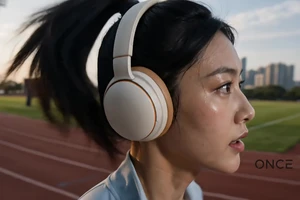
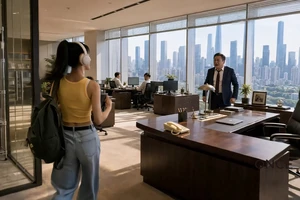
The image below is from an ONCE in-house lifestyle video, illustrating the required continuity between talent, product, and environment. It does not represent neural rendering.

Brands can create test samples as follows:
- Select a ten-second clip featuring dialogue, head turns, and occlusions.
- Retain three versions: original audio, re-recorded audio, and target language.
- Compare lip sync, eye contact, expressions, edge quality, and lighting continuity.
- Document which issues can be auto-corrected and which require artist intervention.
- First, define the scope of licensing, privacy, talent consent, and language versions.
Neural rendering is suitable for extending existing footage into new languages and expressive contexts, provided the project allows time for testing and review. To determine if it fits your brand content, start with the ONCE AIGC Content Diagnostic Portal to begin the consultation.
Material Verification
- Research Seed 0924: The Neural Rendering of The Champion
- Paper Neural Rendering and Reenactment of Human Actor Videos
- Paper Neural Voice Puppetry
- Research Notes The creation of immersive experiences in transcultural entertainment