Core architecture of virtual production
Coco VR is an interactive virtual-reality experience. Magnopus’s official project page describes immersive environments, character animation, and interaction; it does not document an LED-stage In-Camera VFX workflow for that project. The guidance below concerns a separate LED virtual-production setup using Unreal Engine In-Camera VFX. Such a setup combines a high-refresh LED display, low-latency real-time rendering, and precise camera-tracking data to align a virtual background with a physical camera. Directors and cinematographers can inspect the composite on set, helping them identify problems before post-production. The technical checks below are general production guidance, not claims about how Coco VR was filmed.
nDisplay cluster distribution
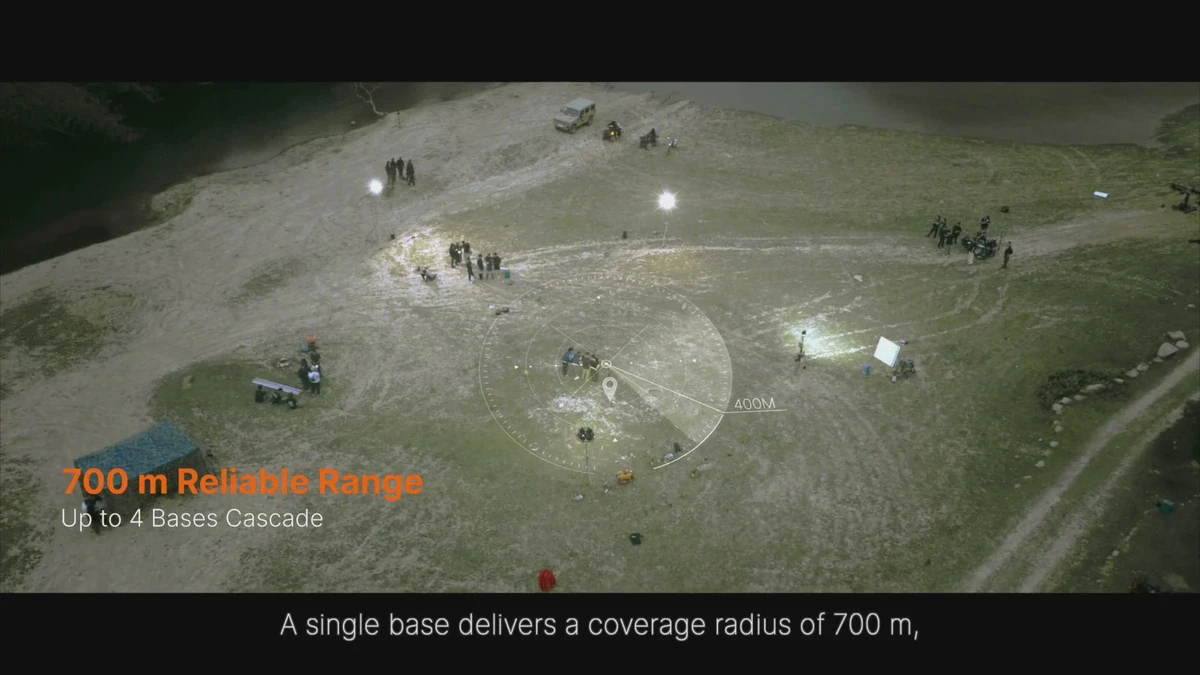
To display an exceptionally large or high-resolution virtual background, an LED virtual-production setup can use nDisplay to render synchronized views of the same scene across multiple display nodes. nDisplay handles image division and stitching; the team must also verify color consistency and geometric alignment between the LED screens. The network must provide enough throughput and sufficiently low latency for the chosen configuration, because packet loss or excessive delay can disrupt synchronization or contribute to image tearing. A protected, high-throughput LAN connects rendering nodes, control workstations, and display terminals and helps maintain timely, complete data delivery. Software timing and hardware synchronization must also be configured and tested.
Live Link data synchronization
Live Link receives live data from configured sources, including camera position, orientation, focal length, and transforms. These data drive the virtual camera in Unreal Engine and must be calibrated and timed against the physical camera and its video feed. Supported Live Link light data can also drive virtual-light settings, but the team must check how those settings relate to the actual on-set lighting and environmental illumination. With correct tracking and timing, the virtual background responds as the physical camera pushes in, pulls back, pans, or moves laterally, with positional movement producing the expected parallax and sense of depth. Source configuration and synchronization determine how accurately the virtual and physical views match.
Camera Calibration and Lens Matching
Precise camera calibration is a key step in eliminating visual artifacts. Calibration must strictly match the optical characteristics of the real lens, including principal-point position, focal length, distortion coefficients and sensor size. Inaccurate calibration can distort the virtual background or create an unnatural sense of separation from foreground objects. Technicians need to measure every lens used in the shoot with professional calibration tools and enter these parameters into the engine. They must also account for the effects of shooting distance and angle on perspective, ensuring that proportions in the virtual scene match the real world. This step often requires repeated testing and adjustment to achieve the best visual integration.
LED studio hardware requirements
A properly equipped LED studio involves much more than installing a few large screens; it is a complex systems project. A shared timing reference and correctly configured timecode and genlock coordinate the devices, while display synchronization also requires the appropriate framelock setup. A dedicated monitoring chain allows the director and cinematographer to monitor image quality. Rendering nodes must have enough computing power to render high-resolution textures and highly complex models in real time. Cooling design and power supply also require careful planning to ensure stability during prolonged operation. Ignoring these hardware details can cause system crashes or image flicker and seriously disrupt the filming schedule.
Moiré and pixel-visibility control
When filming at close range, the pixel grid of an LED screen may create moiré on the camera sensor or make the pixel texture visible to the audience. This is determined primarily by the combined effects of screen pixel pitch, camera-sensor resolution, shooting distance and shooting angle. To mitigate the problem, the art and technical teams need to conduct extensive lens tests before the actual shoot. Adjusting focal length, aperture and the distance between camera and screen can identify the best balance. Sometimes special filters or post-production treatment are also needed to further suppress moiré and keep the image clean.
Using the inner and outer frustums
In-Camera VFX distinguishes between the inner and outer frustums. The inner frustum is the virtual background within the camera field of view, and this content must strictly match the camera viewpoint to provide correct perspective and parallax. The outer frustum is the area outside that field of view. Although it is not part of the main image, it can still provide environmental light and reflections. This design can save rendering resources and increase the realism of the scene. For example, even when the camera points at green screen, light emitted by the LED panels displaying the outer frustum still falls on the actors, producing natural highlights and shadow transitions.
Hybrid filming strategy
For some complex shots, relying entirely on an LED wall may not produce the desired visual result. A hybrid filming strategy can then be used: switch to green screen within the camera field of view while retaining the LED illumination from the outer frustum. This combines the flexibility of traditional green-screen filming with the real-time feedback of virtual production. For shots requiring precise keying or optical effects that are difficult to finalize in camera, green screen can leave more flexibility for controlled compositing work. For other suitable shots, the LED wall provides a direct view of the background and physical lighting interaction. The choice depends on the shot, and this combination expands the range of available production approaches.
Performance Testing and Team Collaboration
Epic Games recommends close cooperation between art and on-set technical teams and performance testing early in development. A scene that runs smoothly on a workstation may not run reliably on an LED wall because the stage configuration adds hardware constraints, rendering overhead, and possible network bottlenecks. The team should optimize for the target LED resolution and refresh rate by reducing unnecessary polygon counts, simplifying materials, and optimizing shader code. Test the expected heavy-load configuration on representative hardware and repeat tests on stage when possible to identify frame drops or stutter before filming. These checks reduce production risk; their adequacy depends on the actual scene and stage.
Pre-delivery checklist
- Verify that all camera data synchronizes correctly to the engine through Live Link
- Confirm synchronized frame presentation and consistent color across all nodes in the nDisplay cluster, with measured latency within the project’s agreed limit
- Check that lens-calibration parameters exactly match the physical lenses on set
- Test moiré at different shooting distances and record the best parameters
- Assess render-node load and verify enough performance headroom to sustain the target frame rate while keeping display output synchronized
Limitations and next-step resources
Although virtual-production technology is becoming increasingly mature, it still has many limitations. First, LED panels have finite brightness and contrast and cannot reproduce every real-world light source or high-contrast scene; camera tests must check whether highlight or shadow detail is lost. Second, complex reflections may need additional ray-tracing support, placing higher demands on hardware. Pre-production also takes longer and requires substantial previsualization and technical setup. Consult official documentation for more detailed technical information, particularly the guides to using In-Camera VFX templates and best-practice case studies, to develop a better understanding of this emerging technology.
Project attribution and workflow references: Magnopus: Coco VR; Epic Games: a separate LED virtual-production demonstration.
Technical verification references: Epic Games: Live Link data and timing; Epic Games: camera and light data roles; Epic Games: nDisplay synchronization; Epic Games: In-Camera VFX best practices; Epic Games: LED workflow and lighting overview.