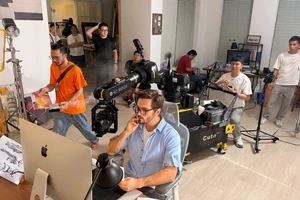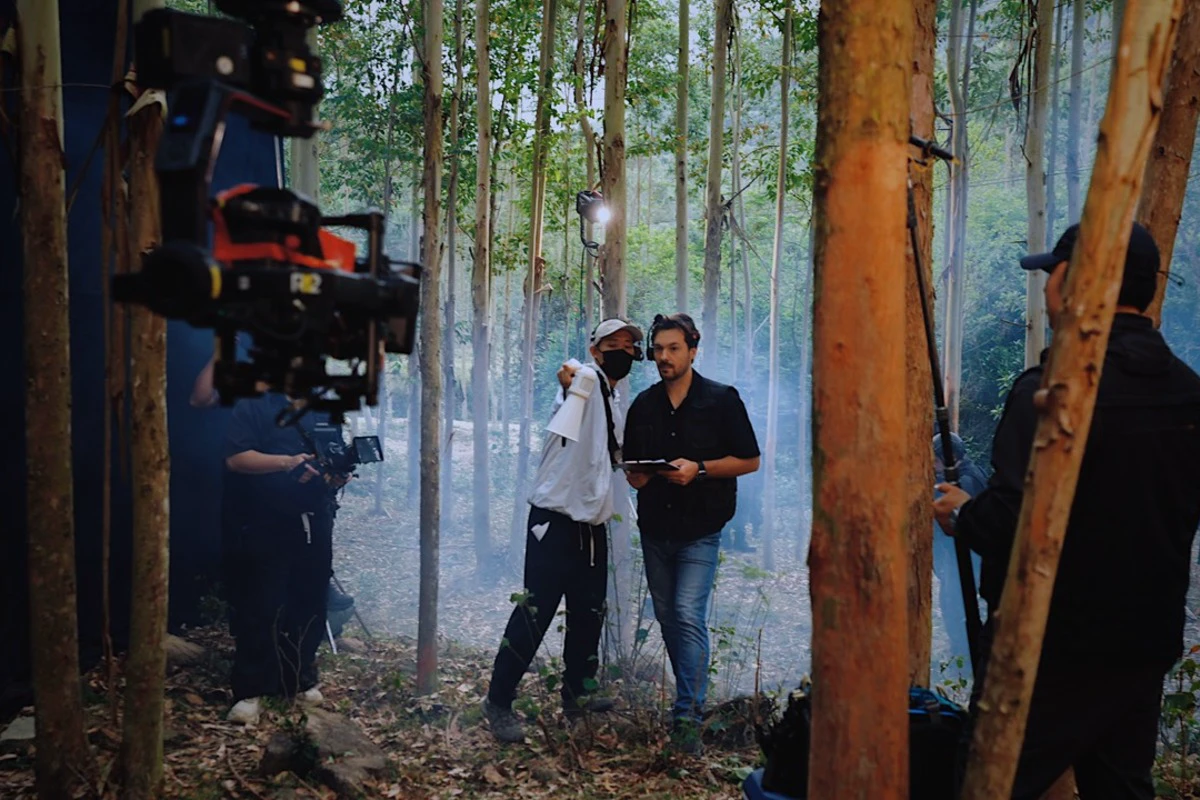
A producer offers you a three-day commercial shoot in Shenzhen. The booking sounds straightforward, but someone says, “Come in visa-free, or use a business visa; we'll sort the paperwork later.” Before you accept the flight, ask what you will actually do in China. Shenzhen's official short-term work guide specifically lists filming advertisements, fashion shows and shoots for print ads. A short booking can still be work. Entry permission is not, by itself, permission to perform that job.
This practical guide is for international models considering commercial films, ecommerce videos, fashion work and still campaigns in China. It takes you from the first offer through the Chinese sponsor, work-permit application, appropriate visa and checks before the camera rolls. Your nationality, place of application, assignment and length of stay affect the documents required. Confirm the final route with the local work-permit authority, the Chinese embassy or consulate handling your application, and the local exit-entry office.
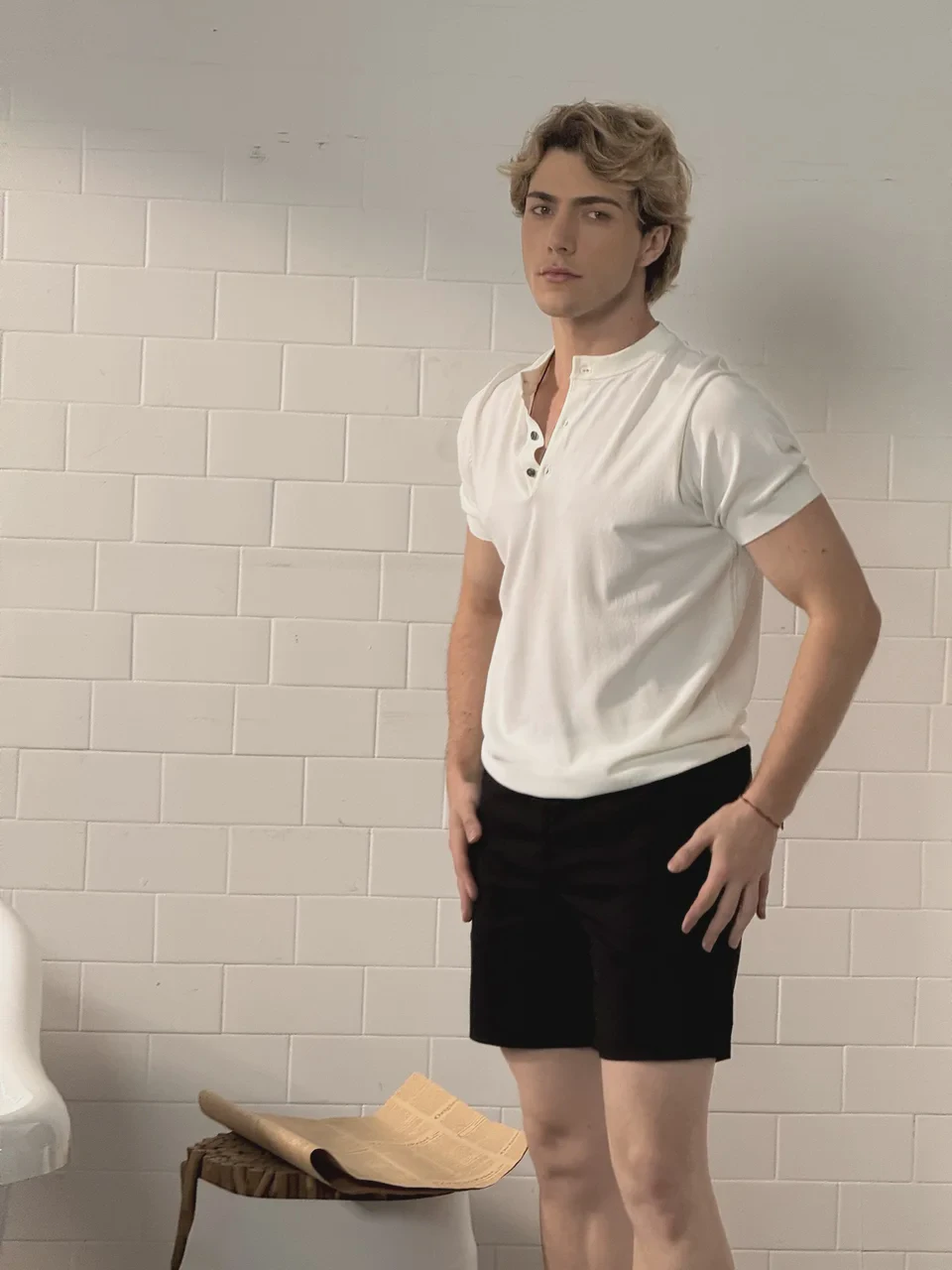
First decide whether the assignment is work
China's entry and exit regulations distinguish a Z visa for work from an M visa for trade and business, an F visa for exchanges or visits, and an L visa for tourism. A paid product video, advertising stills or a fashion show should not be recast as “just a business trip” because it lasts a day or because a foreign client pays the fee. The Chinese government's visa-waiver Q&A expressly excludes travel for work from the waiver it describes.
Sort an offer into one of three starting situations, then ask the Chinese sponsor to check it with the authority:
- A short commercial booking: the intended stay is no more than 90 days and the assignment includes a film or advertising shoot, print-ad work or a fashion show. Shenzhen lists these as possible short-term work assignments. The usual route involves short-term work authorization and the appropriate Z visa, subject to the authority's classification of the real project.
- Ongoing employment or a stay beyond 90 days: a suitable China-based employer needs to use the longer-term work process. Repeated visits do not become an open-ended freelance work authorization.
- Meetings, castings or portfolio tests: their classification depends on what actually happens. An interview is different from producing usable brand advertising. Whether payment is made abroad, or no payment has yet been made, does not by itself settle the question. Send the script, intended use, location and participation details to the relevant authority before travel if the line is unclear.
Your first useful document is a plain-language description of the actual assignment, not a vague invitation that never mentions filming.
A shoot of 90 days or less: six steps from offer to Z visa
1. Identify the Chinese sponsor
Ask which registered entity in China will apply for the work permission, sign or support the project agreement, organize the shoot and answer the authority's questions. A portfolio and an agent's assurance cannot replace the sponsor's application. If a booking comes with a hotel and a flight but nobody can name the applying entity, pause the trip.
2. Put the real scope in writing
Check the name and passport details, type of work, cities and locations, start and finish dates, intended entries and who pays the costs. Shenzhen's government service guide calls for this information in the contract, cooperation agreement or invitation explanation for work lasting up to 90 days. Tell the sponsor before the application if a video shoot also includes stills, or if Shenzhen will be followed by a second city. Do not assume a generic approval covers every later client and location.
3. Have the sponsor apply for short-term work authorization
Shenzhen's official process note says the organization applies online and, if approved, receives a Notification Letter for Foreigner's Work Permit. You will normally need to provide truthful passport and professional information and any documents requested for the specific case. The current checklist belongs to the application system and receiving office; a model's comp card alone is not a work permit. Do not buy a “guaranteed visa” or accept a made-up job title.
4. Apply for the appropriate Z visa before traveling to work
With the issued notification, follow the current requirements of the Chinese embassy or consulate responsible for your application. A Chinese embassy's visa document list specifically identifies the work-permit notification for short-term film and fashion assignments. Passport, form, photo and any supplementary documents or submission rules vary by post. A notification is not a visa, and a booked ticket is not work authorization. The consular officer decides the visa's issuance, validity, allowed stay and number of entries.
5. Read the visa and complete any required arrival steps
Compare the visa's entries, stay period and annotations with the work dates on the approval. If the visa requires a residence permit after entry, apply within the stated period; China's Exit and Entry Administration Law sets a 30-day application deadline for visas annotated this way. For short assignments longer than 30 days, ask the consulate and local exit-entry office in advance whether a work-type residence document is also needed in your case. Hotels normally register guests; if you stay in a private home or apartment, the law generally requires residence registration within 24 hours of arrival there.
6. Work only within the approved scope
Before shooting, check the approved sponsor, job, locations and dates with your agent or producer. Under the same law, working without the required documents, or beyond the work permit's specified scope, can be unlawful employment. Finishing one client's job does not automatically authorize work for every brand in every city. Ask the issuing authority whether a new or changed assignment needs an amendment or a fresh application.
Staying more than 90 days or building a longer career in China
A short-term Z visa is not a substitute for a longer-term arrangement. Shenzhen's published longer-term process starts with the employer's online application for a work-permit notification. The applicant then applies for a Z visa at a Chinese embassy or consulate. After entry, the employer handles the actual work permit and the foreign national applies for a work-type residence permit with the public-security exit-entry authority. Do not wait until after the first shoot if your visa requires residence formalities within 30 days.
Longer-term applications may call for proof of experience, education or qualifications, a criminal-record document, a health examination and an employment contract; Shenzhen's document guidance lists these categories. Ask which are applicable to your role and how any foreign documents must be translated or authenticated. A model should not invent a degree or years of experience to fill a form. Nor does a work-type residence permit mean unrestricted freelance work outside the approved arrangement.
What should a model prepare before departure?
Keep immigration documents separate from casting documents, even if your agent collects both:
- Identity and permit materials: a valid passport and a clear copy of its information page, visa photos meeting the consulate's requirements, a truthful CV and relevant work records. If the receiving authority asks, add experience or qualification evidence, a criminal-record document, a health check, translations or authentication. Shenzhen's service guide specifies at least six months of passport validity for the work-permit application; also check the rule at your own consular post.
- Casting and contract materials: recent photographs or a comp card you are permitted to share, your base city, availability, relevant performance or language skills and a reliable contact route. Ask for written terms covering fee, payment, travel and lodging, working time and cancellation, plus where, how and for how long your image and voice may be used. If a client wants AI-generated extensions, a digital double or synthetic voice from the footage, discuss that permission separately rather than assuming a normal appearance release covers it.
A model card helps a producer consider you for a role; a work permit answers a different question. ONCE's casting guide explains what a mood image, a genuine model card and an audition tape can — and cannot — establish.
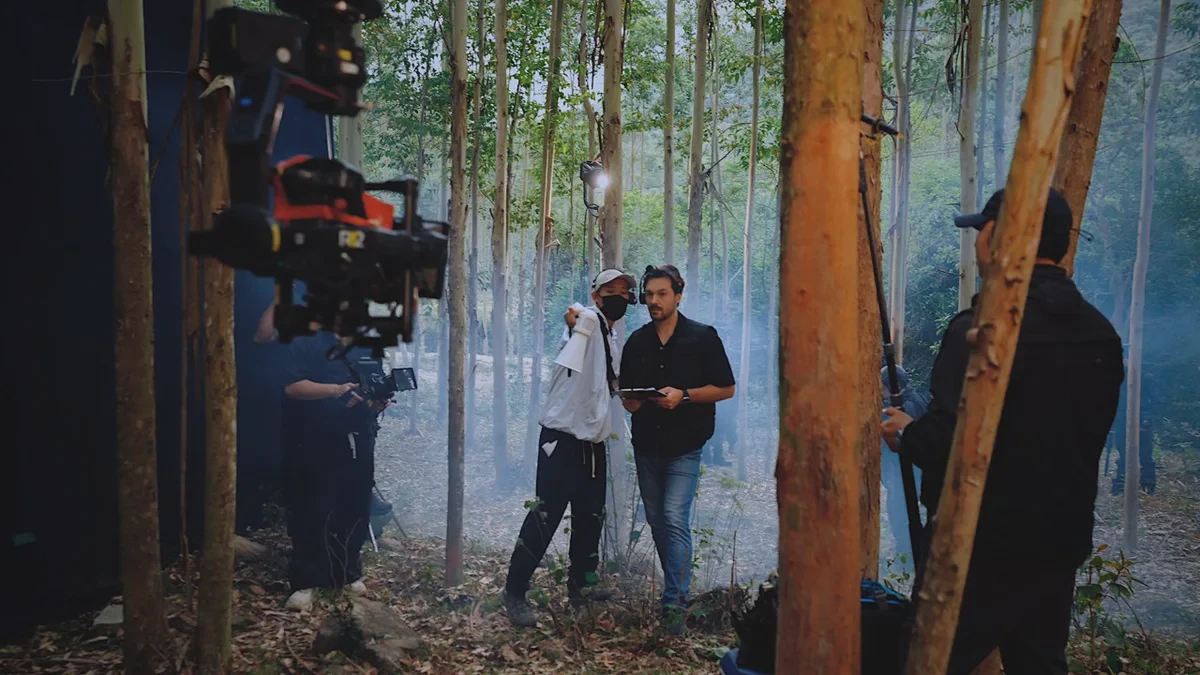
Already in China as a visitor or under a visa waiver?
Do not start the shoot and hope to fix the paperwork afterward. Tourism, business visits, exchanges and work are different purposes. Shenzhen's in-country work-permit guide lists limited circumstances in which an in-country application may be made and specifically says visa-free entrants must use the overseas new-application route. Whether any change is possible for your own status is for the work-permit office and exit-entry authority to decide. An agent's “we always do this” is not a decision from either office.
Likewise, if the client, location, assignment or dates change after approval, do more than update the call sheet. Ask the sponsor to check whether the work permission must change and whether your stay document remains valid. An application to extend a stay is not an automatic extension of permission to work.
Eight questions to ask before accepting a booking
- What is the full name of the China-based entity applying for the permission, and who is its named contact?
- Is this a film, still-ad shoot, runway job, casting or a combination? Are there extra clients or cities?
- What are the exact work and stay dates, and do the approval documents cover the full job?
- Which consulate confirmed the visa requirements, and which local exit-entry office confirmed any residence step?
- Who pays the fee, travel, lodging, insurance and cancellation costs? Are the terms written down?
- Which territories, channels and term does the image release cover? Does it mention AI use or re-edits?
- Who keeps your passport? Is anyone asking to hold the original beyond an ordinary official check?
- Who can stop or reschedule the shoot if approval is unfinished, the assignment changes or the set is unsafe?
These questions protect the project as well as the performer. The visa addresses entry, work authorization sets the permitted scope, and the contract and appearance release deal with payment and usage. None of those documents replaces the others.
Frequently asked questions about model work visas for China
Do I need work authorization for a three-day commercial?
A short stay is not automatically exempt. Shenzhen expressly lists ad films, fashion shows and print-ad shoots among possible short-term work assignments. Have the Chinese sponsor describe the real activity to the receiving authority, obtain the applicable approval and follow the requirements of your consulate rather than treating the job as tourism or a trade visit.
If a foreign brand pays me outside China, is the shoot no longer work?
The location of payment alone does not decide it. The actual activity, contract, Chinese sponsor and authorized scope matter. Get the classification of a commercial shoot confirmed before performing it.
Can I enter visa-free and change to a model work visa after arrival?
Do not assume so. Shenzhen's published in-country guidance says visa-free entrants use the overseas new-application route, while other in-country routes have limited conditions. Ask the authorities about your exact status before shooting.
Does one Z visa let me freelance for any client across China?
No such general permission should be assumed. Check the notification, work permit and any residence document for the approved sponsor, activity, places and dates. A new client or assignment may require a change or a new application.
Where can I verify today's requirements?
Check the Chinese embassy or consulate responsible for your visa application and ask the Chinese sponsor to contact the local work-permit authority. For stay or residence questions, use the local exit-entry office or China's 12367 immigration service. Shenzhen's work-permit guide lists 0755-88121678 for local consultation. Keep the official response with your project papers.
If you are preparing a comp card, ONCE's international model page describes what to send for a casting enquiry. Sending a portfolio is not a booking and does not secure a visa or work permit. Confirm the real assignment and Chinese applicant first; choose the lawful permit and entry route before stepping onto the set.
Information checked in September 2026. This is general guidance, not individual legal or immigration advice. Consular checklists, local procedures and visa-waiver rules can change; follow the current instructions of the competent authorities. Both photographs were supplied for this article and do not establish anyone's visa status.