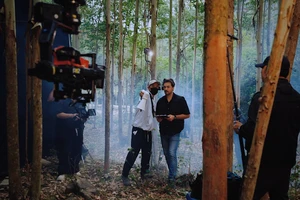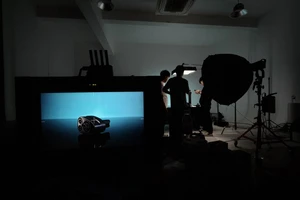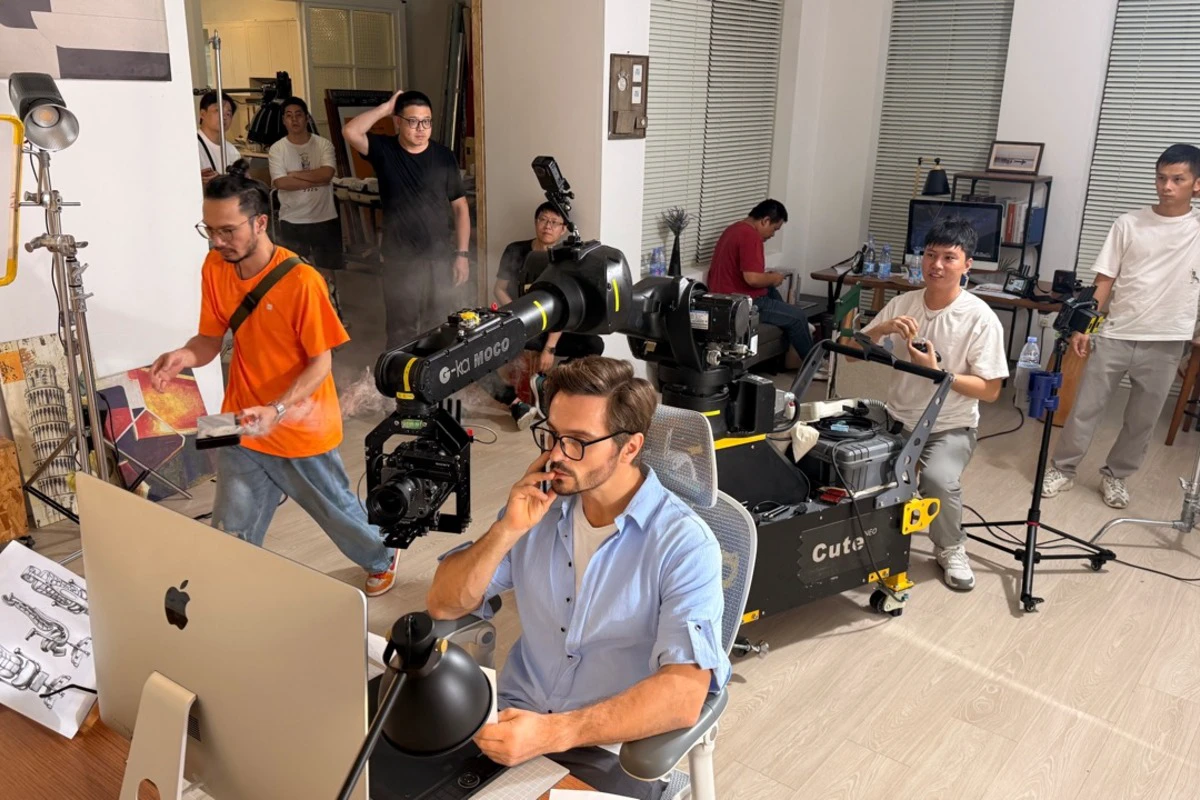
A call sheet that says only “camera up in the morning, wrap at night” can hide the hours spent lighting a set, preparing talent and equipment, and striking the location. A production can be pressed for time; the crew's capacity to stay alert is not unlimited. We are asking brands, producers and film workers in Shenzhen to agree on a final stop line: no one should work more than 16 hours in a day, and every legal or contractual requirement that calls for an earlier finish must come first.
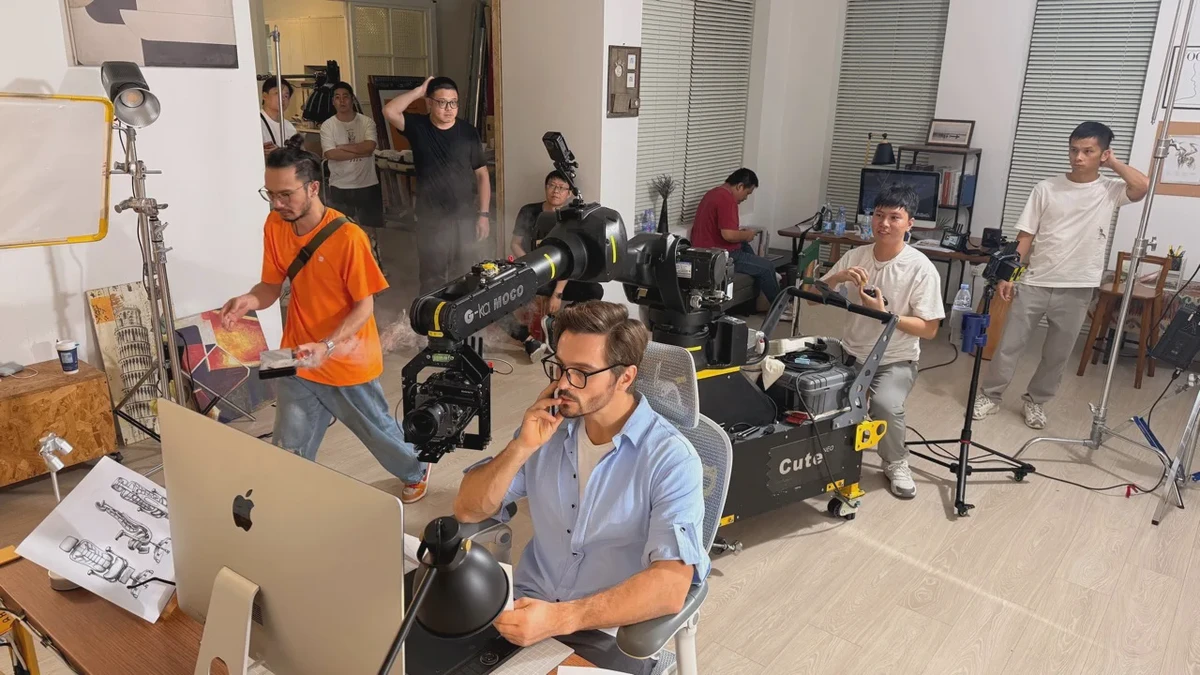
That second half matters. Sixteen hours is an additional backstop against still longer days, not a proposed normal shift or a statement that a 16-hour schedule is lawful. The photograph shows a production setting; it tells us nothing about how long anyone pictured worked that day.
Start with the law, not with a 16-hour call sheet
China's State Council rules on working hours set the standard at eight hours a day and 40 hours a week. Article 41 of the Labour Law says that overtime for business needs must be discussed with the union and workers. It is generally limited to one hour a day; for special reasons, with workers' health protected, the limit is three hours a day and 36 hours a month. Alternative working-time arrangements require the applicable legal approval. Pricing a shoot by the day does not make a 16-hour daily shift a lawful default.
Our 16-hour proposal is therefore an absolute stop line for extreme overrun, not a substitute for stricter rules. Where the law, an approved working-time system or a contract calls for an earlier stop, the earlier stop governs. A late client change or an extra shot should not be treated as permission to disregard those duties. Employment relationships and independent project contracts can have different legal consequences, but both can state working windows, overtime terms and conditions for stopping work clearly.
Put overtime in the budget before it reaches the set
A workable industry pledge begins in pre-production. A call sheet should state each department's call time, expected finish and strike time. Lighting, art, camera and equipment crews may be working before the first take and after the last one; those periods should not disappear from the schedule simply because the camera is not rolling. As the planned finish approaches, the producer and client can choose to cut a setup, add a shooting day or arrange lawful relief staffing. “Just one more take” is not a staffing plan.
The contract and budget should identify who authorizes overtime, how it is recorded and how pay or lawful compensatory time is handled. For employees to whom the rules apply, the current Shenzhen Employee Wage Payment Regulations set minimum overtime pay at 150% for work beyond normal hours, 200% for rest-day work without compensatory rest, and 300% for work on statutory holidays. The applicable relationship and working-time system still have to be established rather than assumed from a job title. Our video-production journal discusses the pre-production decisions that shape a shoot.
Wrapping the camera is not the same as recovery
Fatigue deserves attention before an error or injury. Research published by the World Health Organization and the International Labour Organization associates working 55 hours or more per week with increased risks of stroke and ischaemic heart disease. That is evidence about sustained weekly hours, not a diagnosis of anyone in this photograph and not a declaration that a single 16-hour day is safe. Film sets also contain lights, rigs, moving equipment and journeys home after dark, making alertness a practical safety concern.
If a shoot unexpectedly runs late, the next call needs to move accordingly so people have meaningful time to travel, sleep and recover. The production budget should leave room to reduce setups, add crew or move the shoot. Assistants, subcontracted teams and drivers should not carry the entire cost of a deadline they did not set. The moment a producer can say “we stop here and continue tomorrow” is part of protecting the work as well as the people making it.
Four commitments Shenzhen productions can discuss now
We invite clients, production companies, industry groups, unions and crew representatives to put four commitments on the table:
- Use 16 hours only as the last stop line against an extreme overrun. Any stricter legal, approved or contractual limit takes precedence; never build an ordinary day around 16 hours.
- Put call times, preparation, strike, overtime authorization, pay and recovery time into the quote, contract and call sheet. The project should budget for extra time rather than silently transferring its cost to individuals.
- Near the planned wrap, give a named decision-maker the authority to cut shots, add a relief crew or move the date. Stop high-risk operations when fatigue becomes apparent, and plan a safe journey home and recovery before the next call.
- Offer a way to raise working-hours concerns without retaliation, and review the difference between planned and actual hours after each production.
A 16-hour day should never be marketed as a badge of dedication. If it becomes the expected shift, this pledge has failed. The better habit for film production in Shenzhen is to protect the earlier legal limits and people's health, then make the creative plan, staffing and budget fit reality.
Frequently asked questions
Does this proposal mean crews may routinely work 16 hours?
No. Sixteen hours is an additional backstop against an even longer day. Standard working hours, overtime restrictions, any approved alternative system and more protective contractual terms still take precedence.
What about freelancers hired for a project?
Put the working window, preparation and strike, overrun fees, rest and rescheduling conditions in the contract. Whether a particular arrangement is employment or another form of engagement depends on the facts, not just the label on the agreement.
What should happen when a shoot runs past its plan?
Record the actual hours and safety conditions. The producer and client should decide whether to cut shots, add a team or reschedule; any employee overtime remains subject to the applicable legal conditions and pay rules.