Define the content hierarchy and narrative division between long and short videos
When preparing brand globalization videos, you must discard the misconception that short videos are simply clips cut from long films. Long-form and short-form content should be defined as differentiated expressions of the same core message for different attention scenarios. Long-form videos build trust, explain complex logic, and convey brand values, requiring a complete narrative arc. Short-form content focuses on instantly highlighting a single selling point or quickly releasing emotional hooks, serving fragmented consumption under algorithmic recommendation mechanisms.
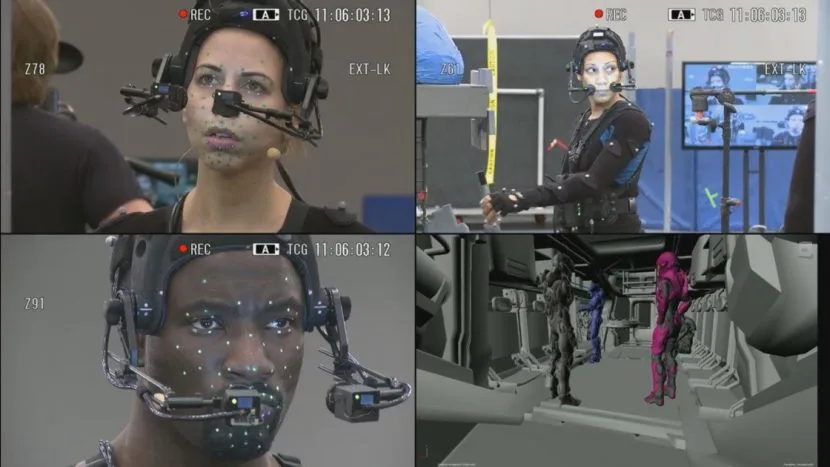
The project initiation phase must clarify the subordinate relationship and independent value of each format. If the budget is limited, prioritize the integrity of the long-form video, then extract highlights as short-form material. If the goal is performance advertising, reverse the process: first plan high-conversion short-video scripts, then expand them into long-form brand stories. This decision directly impacts subsequent resource allocation. Failing to clarify this hierarchy early on can lead to long videos with dragging rhythms unsuitable for distribution, or short videos lacking depth to sustain traffic, ultimately wasting both production costs and marketing goals.
Asset reuse planning based on multi-version delivery
Efficient global video production relies on early-stage asset reuse design. Referencing game promotions or tech product launches in the industry, successful long-short synergy often stems from embedding multi-purpose shots during filming. Brands should not just provide a generic script but submit a requirements document containing a core information matrix. This document must list which shots are exclusive narrative setups for long-form videos, which visuals must have standalone impact for short films, and which B-roll or close-ups can flexibly adapt to horizontal or vertical compositions.
The production team must develop a storyboard plan accordingly. For example, when filming interviews or product demos, capture extreme facial close-ups, hand operation details, or atmospheric environmental shots alongside standard medium-shot dialogues. These extra assets may serve only as transitions in long-form videos but are key visual anchors for maintaining completion rates in short videos. Ignoring this planning leaves editors with insufficient material, forcing them to crop long-form footage, resulting in unbalanced composition or lost information. The core of asset reuse is covering multiple distribution needs with one shoot, requiring highly structured thinking in early planning.
Shooting execution strategies adapted to cross-platform specifications
Specification differences across overseas social media platforms impose strict requirements on on-set execution. Although YouTube supports various aspect ratios, the Director of Photography must reserve safe areas in lighting and composition to accommodate both feed short videos and channel long-form content. We recommend shooting with oversampling using high-resolution sensors or maintaining a center-focused composition principle, ensuring the subject remains visually central and the background remains clean when cropped to vertical or square formats.
Lighting setups must account for dynamic range and color grading needs for multiple versions. Long-form videos may pursue cinematic low-contrast tones, while short videos viewed on mobile devices require higher contrast and saturation to grab attention. On-set audio also requires layered processing: long-form retains complete ambient sound and dialogue layers, while short videos need more direct, penetrating voiceovers or sound cues. If on-set conditions do not support multi-camera or multi-format synchronous recording, test cuts must verify the feasibility of cropping plans before filming. Any hope of fixing compositional defects in post-production will significantly increase production time and reduce final quality.
Post-production editing logic tailored to different audience psychologies
Long-form and short-form post-production follow distinctly different psychological principles. Long-form editing balances breathing room with information density, allowing appropriate pauses for viewers to digest content, with music and sound effects supporting gradual emotional progression. Short-form editing emphasizesqian zhi climaxes and high-frequency stimulation, typically presenting suspense or benefits within the first three seconds. The pacing is tight, transitions are crisp, and subtitles and motion graphics supplement much of the information to reduce reliance on voice.
Color grading and sound design must also be treated separately. Short-video grading should ensure clarity in low-light environments on small screens, avoiding overly dark or gray images. For audio, short videos require frequency response optimization for mobile speakers, enhancing mid-to-high frequencies of voices and key sound effects to prevent them from being drowned out by ambient noise. Production teams must establish two independent project templates and review standards. Judging short videos by long-form aesthetic standards may mistakenly label them as too noisy; conversely, applying short-video pacing to long-form content makes it appear fragmented. Understanding and respecting these differences is the technical prerequisite for effective content layering.
Phased acceptance criteria and deliverable checklist
Acceptance for commercial video projects should not be limited to the final cut but span the entire process to reduce rework risks. For global projects including long and short versions, we recommend four key acceptance milestones. First is script and storyboard confirmation, focusing on whether the information matrix covers all intended selling points and whether the narrative logic of long and short versions is consistent. Second is footage acceptance, checking if raw material composition safe areas, focus accuracy, and audio quality meet multi-version editing needs.
Third is layered review of rough and fine cuts. Long-form rough cuts focus on narrative coherence, while short-form rough cuts focus on pacing and hook effectiveness. The fine-cut stage requires separate checks against respective delivery specification sheets, including resolution, bitrate, color space, subtitle languages, and copyright licensing scope. Finally, deliver master files and source files. In addition to playback files adapted for each platform, archive versions without subtitles, layered project files, and music/sound effect licenses. Each step should have written confirmation records to avoid misunderstandings from verbal communication. Missing any acceptance step may expose irreparable flaws just before launch.
Identify scenarios where long-short synergy strategies are not applicable
Not all brand globalization projects are suitable for forcibly bundling long and short video production. When a brand operates in a highly vertical B2B sector and target customer decisions rely entirely on offline relationships or professional white papers, investing resources in entertaining short videos is often an ineffective waste. Such scenarios are better suited for detailed product demo long-form videos or technical explainer videos rather than pursuing social media exposure.
Another unsuitable scenario is extremely tight budgets and schedules. Long-short synergy actually demands high precision in early planning and efficiency in on-set execution. If the team lacks relevant experience or resources are stretched thin, attempting both lines may result in mediocre versions of both. In this case, concentrating resources to polish one core version is wiser. Additionally, if the brand message is extremely singular or time-sensitive, such as limited-time promotions or urgent PR responses, directly producing targeted short videos is sufficient without bearing the heavy burden of long-form production. Recognizing boundaries protects ROI better than blindly pursuing omnichannel coverage.
Pragmatic preparation suggestions before starting the project
Before formally contacting the production team, marketing heads should complete internal information structuring. Prepare clear descriptions of communication goals, target audience personas, prioritized core selling points, and specific reference videos. These materials do not need to be perfect but must accurately reflect business needs. Also, confirm the latest specification requirements and copyright compliance baselines for each distribution platform in advance, as platform rules change frequently and past experience may not apply to the present.
ONCE’s public services cover corporate videos, brand videos, TVC commercials, product videos, overseas marketing videos, social media short videos, and AIGC video production. If you have completed the above preparations and wish to discuss how to translate your brand message into a video content system adapted for overseas markets, please contact us through our official website channels. We will assess project feasibility based on the specific materials you provide and, given that commercial video projects require clear communication goals, audiences, core selling points, reference visuals, shooting conditions, delivery platforms, and copyright scopes in the early stages, provide professional production consulting and execution plans.
If you are preparing a brand globalization video project, you can first organize your brief, reference visuals, product or company materials, delivery platforms, and copyright scope, then view theOverseas Marketing Video Services pageto ground communication from abstract preferences to executable production boundaries.