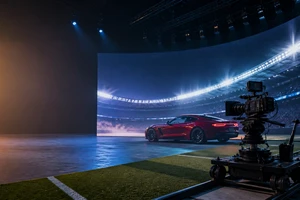
To capture speed in sports brand commercials, don't rush to add slow motion or visual effects. Audiences first notice the direction of movement, center of gravity, ground contact, and editing rhythm. If the action itself lacks conviction, speeding up the footage in post-production will only make the artificial elements more obvious.
First, Give the Action a Clear Objective
Every action should have a beginning, a transition, and a result. Whether it's a player taking off, a rider turning, a runner landing, or a product flying out of frame, you must first determine the exact moment the audience needs to see. Camera movement, shutter speed, and edit points should be arranged around this moment so the sense of speed doesn't devolve into mere blur.
Behind-the-scenes footage from a women's soccer commercial offers a valuable reminder. Originally planned with five game actions, the team expanded the footage to thirty-five shots to create greater editing variety. Most compositing was done in Flame, with hair cleanup and face replacements handled frame by frame. The takeaway isn't the specific software used, but that thoughtful action design left room for post-production adjustments.
Authenticity Comes from Three Continuous Relationships
The first is between the body and the ground. Footsteps, grass, dust, and shadows must occur simultaneously to validate the direction of movement. The second is between the camera and the subject; tracking shots, orbits, and sudden stops all require a clear line of sight. The third is between sound and editing; shoe squeaks, breathing, ball impacts, and ambient noise must provide precise timing cues for the action.
Official Autodesk Flame documentation places painting, masking, tracking, and 3D compositing within a single production environment. While these tools help artists refine edges and composite shots, capturing solid action reference during filming remains essential. The more complex the sports shot, the more important it is to conduct low-cost tests before principal photography.
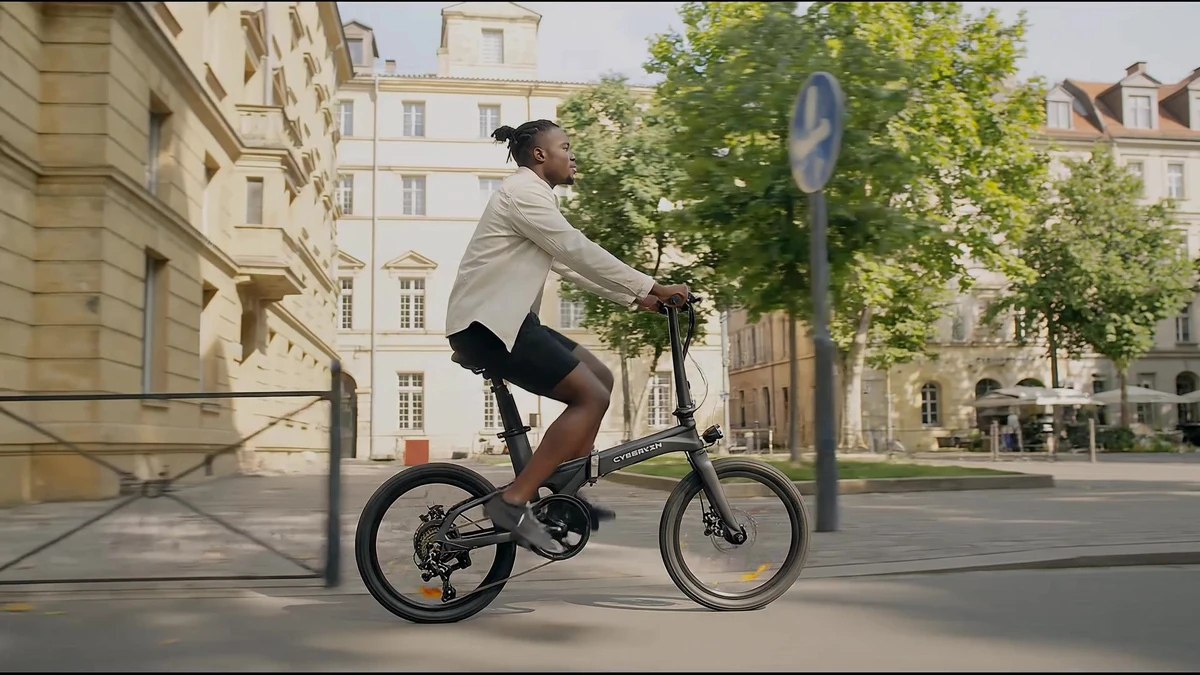
The image below is from ONCE’s in-house urban cycling ad, illustrating the relationship between subject speed, background movement, and camera position. It does not imply that the women's soccer ad case study used this production workflow.
Conduct an action test before principal photography.
- Shoot a complete action sequence using the final lenses.
- Record shutter speed, frame rate, lens distance, and ground surface.
- Test normal speed, slow motion, and selective speed ramping.
- Check continuity of footwork, shadows, hair, wardrobe, and props.
- Have editorial, sound, and VFX teams review the test footage together.
A sense of speed comes from motion blur as well as the anticipation, execution, and landing of the action. Capture these elements clearly first before deciding on post-production compositing or AI tools to better preserve realism in the final cut. Include both action design and brand memory points in a single Campaign Brief, starting from ONCE Campaign Content Start communication.
Material review
- Research seed 0651 How they did that brilliant women's football commercial
- Autodesk Flame Family Help
- Autodesk Paint Tool