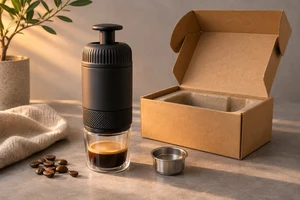
Your overseas sales team is introducing a successor product while a China-based factory prepares the final production run of the existing model. The old demonstration still attracts inquiries. Replacing every video may waste useful support material; leaving every sales message active may invite the wrong new projects.
ONCE proposes allocating end-of-life product video budgets by the buyer’s next task: placing a final order, operating installed equipment, or evaluating a successor. This is an evergreen content decision supported by current manufacturer documentation, rather than a newly announced industry shift. A component supplier’s lifecycle warning should trigger an engineering and supply review; it does not establish that your finished product is being discontinued.
Three dates answer different customer questions
Texas Instruments’ Product life cycle distinguishes products not recommended for new designs, last-time-buy products and obsolete products. In TI’s definitions, NRND parts remain available for existing designs, while new designs should consider alternatives; last time buy means discontinuance is underway; obsolete means no longer in production. These are TI’s definitions, not universal commitments for finished equipment.
Analog Devices’ Product Life Cycle Information separately lists the last-time-buy date, last-time-ship date, affected models and recommended replacements among discontinuance-notice fields. Neither date establishes when your brand’s customer support ends. That requires your own confirmed service policy.
Before changing creative, have the product owner establish whether orders are accepted, engineering establish suitability for new projects, and service establish which instructions remain applicable. Inventory availability alone cannot answer all three.
ONCE’s three-task allocation method
This is a proposed production planning method, not a manufacturer rule or a proven financial model.
| Customer task | Useful content | Condition for spending |
|---|---|---|
| Arrange final purchases | Model identification, scope and an availability inquiry route | Sales confirms order eligibility and limits; dates stay in editable page copy |
| Keep installed equipment usable | Version-specific operation guidance and service access | Engineering and service confirm continued applicability |
| Evaluate the successor | Demonstrations of changed installation, interfaces or software steps | The demonstrated migration conditions have been technically confirmed |
If a model is no longer suitable for new projects, stop adding broad acquisition footage for that purpose. A confirmed final-order campaign can still serve existing customers. Keep its changing dates and availability beside the video so the same timing claim does not need replacing across every voice-over and language export.
Commission the migration explanation that customers need
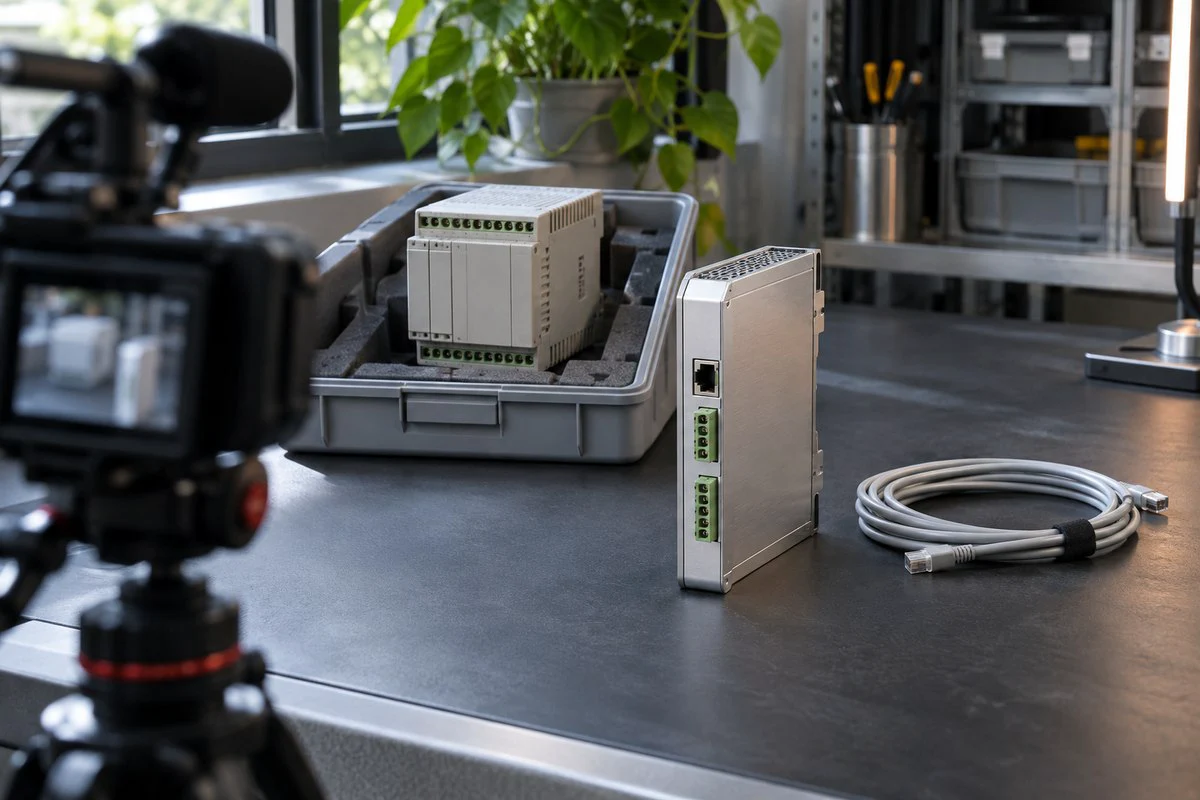
Consider a hypothetical overseas equipment brand buying two generations of control modules from a Chinese supplier. Their housings look similar, but the successor requires a different software configuration sequence. Changing the closing frame of the old film will not explain that difference.
Ask engineering to identify confirmed changes, then commission the specific demonstration. Review old installation and operating shots against the actual model before reusing them. A manufacturer’s recommended replacement does not, by itself, establish a drop-in substitution or remove the need for technical validation.
Retain applicable instructions for installed equipment with clear model identification, while removing outdated promotional promises. For the related question of maintaining usable service material, see ONCE’s discussion of product repair videos. Lifecycle communication and repair obligations need separate confirmation.
Start with one retiring SKU
Map its sales films, technical demonstrations, language versions and distribution locations. Assign each item to one of the three customer tasks. Name an owner for changing availability copy and agree who initiates a content review when a formal lifecycle notice arrives.
For ONCE’s move toward ongoing content services, the reusable asset is the record connecting product status, customer task, applicable footage and update responsibility. Whether that service improves margins or renewal rates must be measured through maintenance time and customer use; it is not an outcome claimed here.
Sources checked on 7 November 2026: TI’s page displays 17 March 2026; ADI’s dynamic page showed no clear publication date. Their documentation establishes their own definitions and notices, not the status of any particular finished product. The allocation method and control-module example are ONCE’s analysis and a hypothetical scenario.