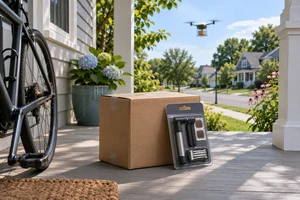
A US brand receives a hero image of a cordless screwdriver sourced in China. The product was photographed, and the studio generated the surrounding workbench. The handover JPEG carries source metadata, but the store serves a resized copy. Before commissioning another batch, verify the file tied to the offer.
Read the size rule and the source rule separately
Google Merchant Center’s product data specification says its new minimum of 500 × 500 pixels for product images will begin to be enforced on January 31, 2027. Its image link guidance requires metadata identifying generative AI imagery and tells merchants to preserve embedded source information such as IPTC DigitalSourceType. Both pages were checked November 7, 2026. A tag does not certify that the product is accurate, and sufficient resolution does not tell you how the image was made.
Use the ONCE source, export and feed check
Source: Match the image to the SKU that ships. Use a production sample to check the chuck, grip and included bits. Record what was photographed and what was generated. A synthetic background should not disappear from the production record just because the tool itself was photographed.
Export: Open the actual delivery file and inspect dimensions, visible SKU details and the embedded source field. If a previously marked asset loses its source field in the export, correct that step before changing the creative. If the only original is too small to retain an important detail, commission a replacement rather than paying to enlarge an unreadable image.
Feed: Start with the exact image_link URL in the feed and inspect the bytes served after any redirects. If the delivered JPEG passes but the live rendition does not, isolate the image optimizer, resize or format conversion. Check any generated alternate images that the feed actually uses, too.
Buy one working handover before scaling
In the purchase order, separate product signoff, export QA and live URL acceptance. Attach the asset ID, SKU, source classification and inspected URL to one pilot. Recheck it after a delivery pipeline change before approving a catalog refresh. For a related publishing question, see ONCE’s asset handover guide.