A successful crowdfunding page makes an appealing end frame for a launch film. But changing “pledged at the close of the campaign” into “cash received” changes the claim. It also changes the record a marketing team needs before approving the voiceover.
For overseas hardware brands working with Chinese factories and production partners, a wrap-up video may later become distributor material, an exhibition loop or a paid ad. Its numbers should survive that reuse with their original meaning intact.
A campaign record is not a bank receipt
Kickstarter’s August 6, 2026 help article explains that the public funding amount and backer count lock when a campaign ends; subsequently dropped pledges do not revise that display. It directs creators to collection states in the Backer Report. We rechecked the official page on November 2.
ONCE’s analysis is simple: each on-screen number needs a defined object. Public campaign funding, successfully collected pledges and a bank credit describe different stages. They should not become interchangeable merely because they belong to one project.
| Number | What it can describe | What it does not establish alone |
|---|---|---|
| Public closing total | The campaign’s displayed historical result | Successful collection of every pledge |
| Verified collected amount | Collection for a stated population and observation time | An equal amount in the bank or freely available for new spending |
| Reconciled bank receipt | A particular transfer actually received | Completed production, removed delivery risk or the video’s causal contribution |
The official pledge-status guidance distinguishes Collected, Pledged, Errored, Dropped and Disputed. For installment pledges, Pledged can mean final payment is still incomplete. Summing everything not marked Dropped is therefore not a reliable basis for saying “received.” Have the project owner establish the applicable population rather than asking the editor to merge payment arrangements.
ONCE’s number-and-wording approval card
Before recording a result claim, create a short card for each number used in narration, captions, animation or promotional headlines. This is an ONCE editorial method, not a platform accounting form.
Value and object
Record the value, currency or count, and whether it describes public display, collection or receipt. For quantities, distinguish backers, orders, payment events and units. A supporter ordering several products does not turn a people count into a unit count.
Scope and time
Name the campaign, stage and observation date. Do not silently combine the original campaign with later sales. If a combined figure is required, define included populations and duplication checks first. Two records updated on different days should not be edited into an apparent single live snapshot.
Source and permitted wording
The brand supplies a verifiable source summary and appoints an approver. The public page can support an accurate historical campaign statement. Collected and received claims require their respective records. Removing a qualifying phrase to produce a larger-looking funding statement changes the message; fine print should not contradict the headline.
Approval and revision trigger
Keep the approving owner, accepted version and circumstances that require another check. Examples include changed scope, duplicate counts or reuse in a new sales phase. A redacted summary and approval are enough for editorial work; the production crew need not receive bank details or identifiable backer records.
Do not estimate a receipt to finish an edit
Kickstarter’s separate payout guidance describes collection and processing, payout initiation and the later appearance of funds at a bank. It establishes distinct stages, not a receipt guarantee for a particular creator.
A generic fee percentage cannot establish which pledges were collected or explain every difference in an actual transfer. This article does not calculate tax, accounting revenue or a project’s net proceeds. If receipt has not been confirmed, retain accurate campaign wording or omit the receipt claim until the owner can substantiate it.
Approve the celebration and production update separately
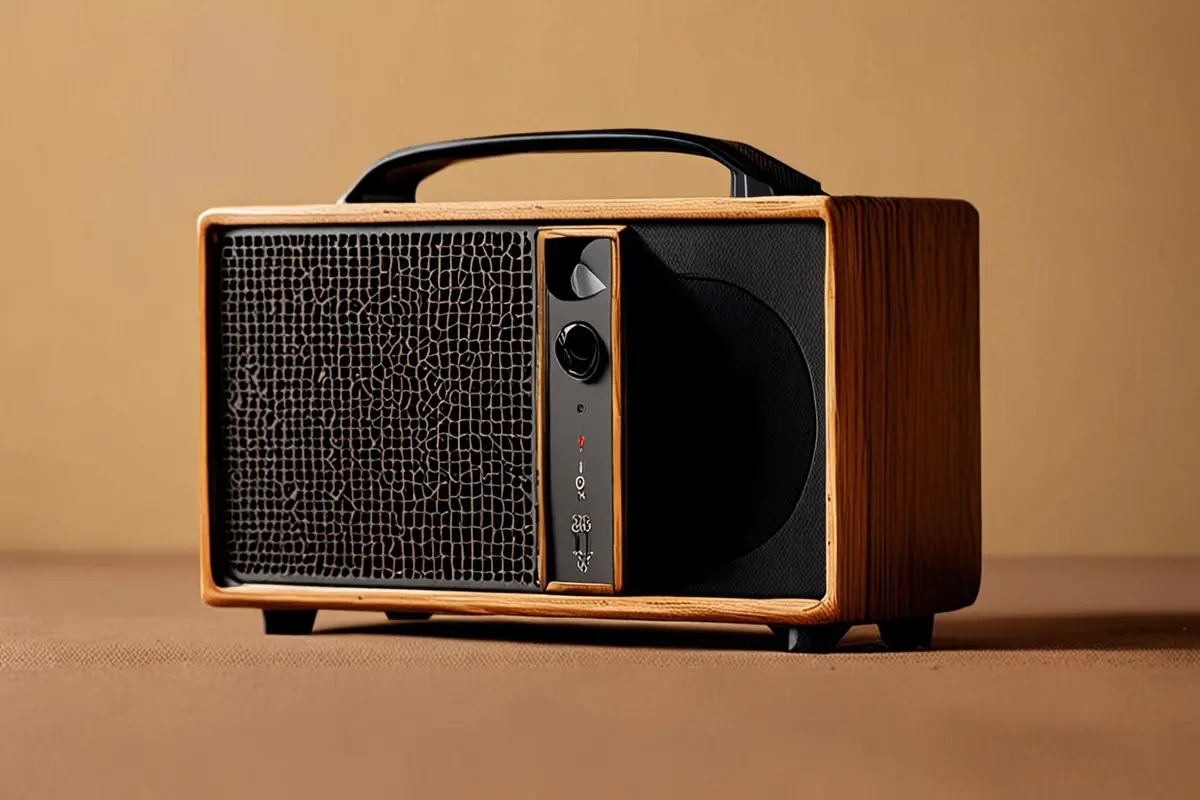
Consider an illustrative portable-speaker project. The team can verify its closing result against the campaign record and describe current manufacturing with approved factory footage. Those elements can coexist without implying that reaching a funding figure means all products have been manufactured.
A production claim needs the relevant component or batch, completion state and filming date. A campaign screenshot cannot replace that information. If engineering validation is complete but manufacturing is not, explain the actual next step. If manufacturing has started, name the stage shown. Do not use another batch’s footage as an unqualified statement about this one.
This is a hypothetical editorial scenario, not an ONCE client case or an assessment of any campaign.
Buy the required revision rather than a complete reshoot
Separate the scope into result verification, wording revision, necessary voice pickup, graphic changes, localization and final comparison. Accurate product footage can remain useful. New manufacturing evidence calls for the relevant pickup, not automatically another lifestyle shoot.
For example, a film delivered in two languages and two aspect ratios creates four release files. If a receipt statement changes to a historical campaign statement, check narration, captions, number graphics and descriptions across all four. That is a delivery-scope example, not a time or price benchmark. Four files are not four new concepts, but updating only one does not complete the synchronization.
Buyers can use the ONCE production research collection to plan footage and revision scope, and the marketing collection to consider reuse across sales contexts.
Make the result reusable without changing its meaning
Save the approved number card beside source files, language versions and release approvals. When a distributor presentation or later launch reuses the result, the team can recover what the number meant rather than reverse-engineer a screenshot.
For a studio developing managed content services, this is a concrete maintenance task. It is not a claim of demonstrated margin or valuation gains. Start by checking one existing wrap-up video: does every result have an object, scope, date, source and approved verb? Complete the missing information before ordering new footage.
Sources and limits
Official Kickstarter Help Center pages checked November 2, 2026: post-campaign funding totals (August 6, 2026), pledge collection states (September 8, 2026), and receiving funds (August 6, 2026). No customer account, payout or bank records were accessed. This article does not determine a project’s actual receipt, tax, accounting treatment or fulfillment obligations.