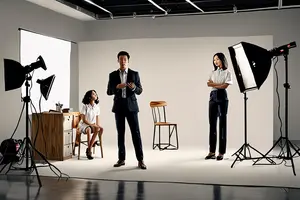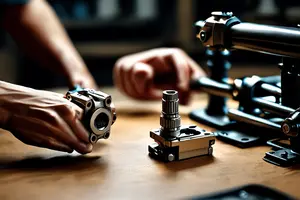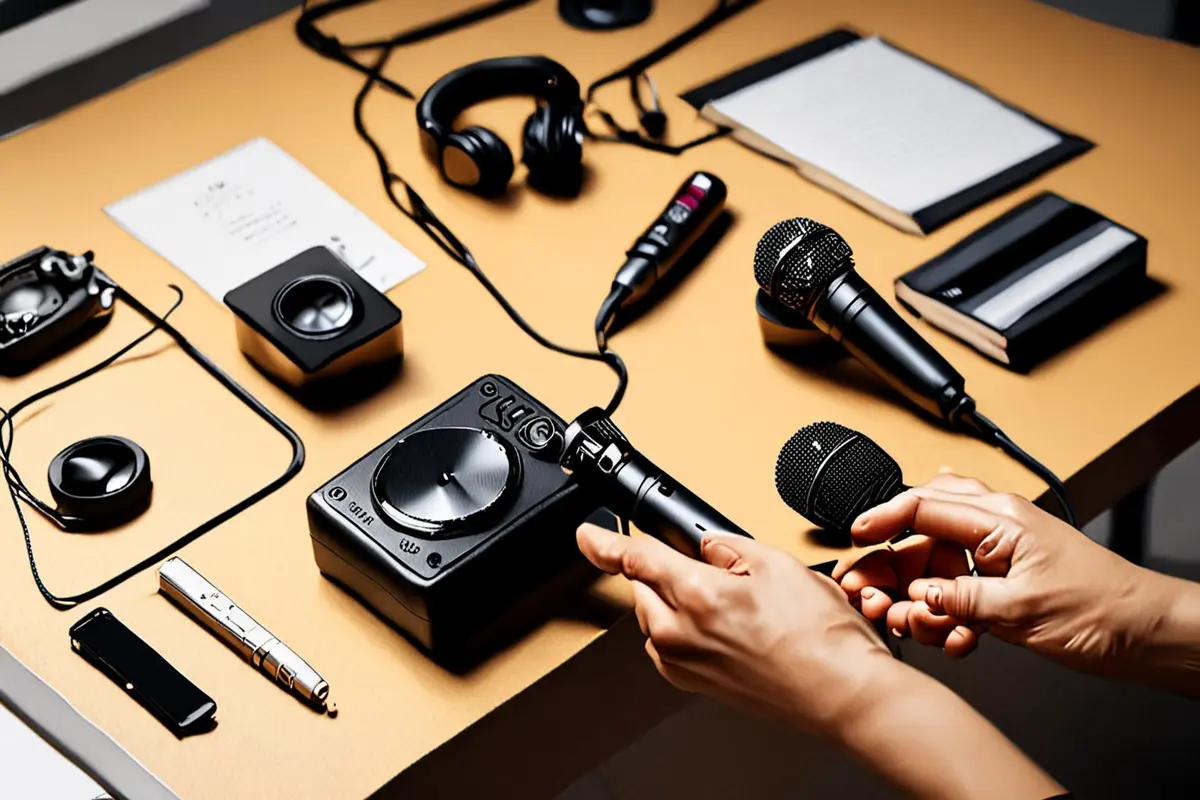
Some brand films have polished music and a full mix, yet the sound disappears from memory as soon as the end frame is gone. The problem is often not production quality. Sound supports the mood but does not express product value. Replace the track with another piece in the same style and the film still works; replace the brand and viewers may not notice.
Sound memory does not have to begin with a melody. For many products, a stronger starting point is a recurring action rooted in the way people use the object: how a lid pulls itself closed, how a dial crosses a point of resistance, how air spreads from a narrow outlet, or how a machine becomes quiet after finishing its job. When sound, action, material and result occur together, viewers can begin to remember them as part of the brand.
Sound memory needs causality before style
Words such as technological, premium or soothing can guide atmosphere, but they do not create a recognizable sound by themselves. They do not explain why a sound happens. A memorable sound usually carries an understandable chain of cause and effect: a finger applies force, the mechanism responds, the product completes an action and the environment changes.
A slight friction in a dial can communicate resistance. A short magnetic closure confirms that a structure is sealed. Airflow that gradually falls away tells us that a task is complete. Viewers do not need the technical names of these sounds. They can read the product through sequence and timing. If the image is removed and the sound still suggests that something has just been completed, the causal structure may be strong enough to become a brand asset.
Start with sounds the product already owns
Sound design does not need to start with a grand synthetic audio mark. First observe what the product already produces in real use: packaging materials moving apart, the change in feel before and after a button triggers, a motor moving from startup to stable operation, an accessory locking into place, or the tail that follows completion. These sounds are tied to structure, so competitors cannot replace them as easily as a generic low-frequency impact.
Record the action in layers. Capture fingers, mechanisms and contact surfaces at close range, then record the same action at a normal listening distance. The close recording preserves material detail; the wider recording tells viewers what kind of room the product occupies. Keep one honest take that is not designed to sound beautiful. It becomes a physical reference for every later design decision.
Our recent article on product weight and contact sound asks how heavy an object feels. This article asks a different question: can the same relationship between person and product recur across films until it becomes recognizable?
Write the core action as a sound sentence
A reusable sound unit can behave like a short sentence with a beginning, an accent and an ending. The beginning prepares the action: a hand approaches or a mechanism gathers energy. The accent is the instant when the product responds. The ending confirms the result: operation stabilizes, the room becomes quiet or an accessory settles into place.
None of these parts must be loud. Silence can make the accent more legible. When music, transitions and effects fill every moment, the product has no acoustic space of its own. Directors should mark the action that must be heard in the storyboard and give it enough screen time, rather than forcing an effect into a cut after the edit is finished.
Make it recognizable before making it beautiful
Commercial sound often loses distinction while being polished. Every startup rises brightly, every substantial product receives a similar bass hit, and every lightweight object gets the same crisp click. What remains is a category convention rather than a product signature.
A simple silhouette test helps. Remove music and voice-over, keep only the core action, and normalize loudness so volume does not decide the result. Instead of asking whether it feels premium, ask whether the sound communicates opening, locking, confirming or completing. Ask whether it belongs to this product or to almost any competitor. If the answer is vague, return to the real structure, material and timing before adding more layers.
Melody, Foley and space have different jobs
Melody can carry brand attitude and emotional direction. Foley makes product action credible. Spatial sound establishes the distance between product and person. They may support one another, but they should not compete for the same accent.
If the key action is a magnetic closure, music can step aside just before contact and the room can answer briefly after it. If the key action is continuous operation, the melody does not need to imitate the motor; it can move against the stable mechanical rhythm. The goal is not to make every layer distinctive. It is to establish hierarchy. What viewers remember may be one contact sound followed by half a second of quiet.
Across formats, preserve the action relationship
A horizontal brand film, a vertical social video and a functional demonstration move at different speeds. Copying the same sonic logo into every version often feels forced. Preserve the relationship instead: the same preparation, the same response accent and the same completion signal. Duration can shrink, space can change and music can evolve.
The hero film might show the full approach, response and environmental change. A six-second cut may keep only response and completion. A functional film can make the real mechanism clearer. The versions do not sound identical, but they share one sound grammar. This allows each format to fit its viewing situation without inventing the brand from zero every time.
Live action, CG and AI still need a physical reference
When the image is created with CG or generative tools, sound can become decoration intended to compensate for a lack of physical realism. The action looks light but sounds like heavy machinery; a soft material produces a sharp impact; the image has stopped while the reverb keeps exaggerating the room.
A stronger method is to record an actual sample or a comparable mechanism first. Preserve startup speed, contact duration, rebound and spatial decay, then design from that reference. The final image may be synthetic, but the sound still follows physical logic. When exaggeration is useful, decide where it happens: enlarge material detail, extend the tail or reshape the space. Pushing every parameter at once usually weakens credibility.
Humor, performance and sound should serve one product relationship
Sound can carry a joke, but a joke built only on a sudden exaggerated effect is often remembered more clearly than the product. A better approach lets sound reveal the relationship between character and object. A person assumes the action is complete; the product then gives a restrained confirmation. A person overreacts while the product responds quietly and precisely.
This follows the same causal principle discussed in our article on humor in product advertising: the product cannot be a prop standing beside the joke. The acoustic accent must be triggered by product action, and performance should amplify the value. Viewers then remember how the product responds to people, not an isolated gag.
Not every product needs a fixed sonic symbol
If near-silence is part of the product value, forcing a loud signature may contradict the promise. If a brand relies on the individual voices of many creators, an overly fixed sound can also restrict variation. Sound memory is most useful when a product has a stable action, material or result and the brand plans to create many related pieces over time.
Before building a system, ask three questions. Does the product have a recurring key action? Can that action carry real value? Can future content preserve the same relationship? When all three answers are clear, the action can grow into a sound system. Otherwise, natural, intelligible and credible sound matters more than owning a sonic logo.
If you are planning a brand film, product video or hybrid live-action and AI campaign, ONCE can help design the relationship between product action, production sound, editing rhythm and multi-format sound grammar. Explore our brand and product content production solution and send a brief to discuss the one action your product deserves to be heard for.