Dongguan Video Production: Let the Working Factory Show Its Capability
When an industrial video enters a factory that is still running, the order of the site determines what can be filmed before the camera does.
What communication task should this footage solve?
- 01
Video production will plan the creative and production around the factory and equipment, on-site organization, and B2B deliverables. Relevant samples, source material, and use cases are confirmed together before filming.
- 02
Equipment status, crew movement, and safety clearance are designed around the current sample, approved brand information, and the actual demonstration.
- 03
Put the factory, equipment conditions, crew movement, and safety clearance into the project brief before deciding the creative direction and shot responsibilities.
- 04
Work backward from the process step that genuinely runs on the factory floor, then organize the site so B2B deliverables can support overseas sales, factory audits, and sales demonstrations.
The short answer
Define the communication job of the factory and equipment first, then plan the right footage and versions for the B2B deliverables.
From brief to delivery: how the project moves
- Project objective
Production operations come before the shooting plan
When an industrial project enters a working plant, processes, safety rules, and production windows determine what can be filmed. We begin with one business process the client most needs to explain, confirm accessible areas and operating times with the site team, and let the camera follow real production.
- Audience
Equipment scale is context; the process is the story
Rows of machines and a large plant establish context, but they do not answer a buyer's technical questions. The film selects visible checkpoints from input and processing to inspection and output, letting operators and product states explain capability together. Claims the footage cannot support remain tied to approved source material.
- Production scope
Site organization must respect each role's working rhythm
Engineering, production, safety, and brand teams each have responsibilities that cannot be skipped. During the recce, confirm shutdown permissions, crew routes, noise, power, and confidential areas. The shoot avoids peak production pressure and gives non-repeatable actions clear camera positions and communication rules.
- Creative and shots
Explain complex processes with continuous coverage
When an industrial action is cut into fragments, an outside viewer can no longer verify cause and effect. A wide shot establishes equipment relationships, medium shots follow the operation, and details show readings or structure. Graphics clarify only what cannot be seen and are labelled as information approved by the company.
- Production and delivery
Layer B2B versions by decision depth
Trade-show loops need to establish the category quickly; sales meetings need more process and differentiation; an overseas website should allow further verification. Each version starts from the same factual source, preserves model names and conditions, then adjusts language and information order. Translation does not broaden the technical claim.
- Project brief
What can be filmed in an industrial facility
A process belongs on camera only when the production window, safety clearance, and disclosure scope all align. Record non-repeatable actions continuously, and use approved material for confidential steps. The scale of the shoot follows the site's order; the value of the footage comes from the business question it explains.
Put objectives, audience, and deliverables on one brief
- Production approach
Put the factory, equipment conditions, crew movement, and safety clearance into the project brief before deciding the creative direction and shot responsibilities.
Work backward from the process step that genuinely runs on the factory floor, then organize the site so B2B deliverables can support overseas sales, factory audits, and sales demonstrations.
Deliverables include versions, aspect ratios, and reusable footage—not only one master film
- Shot design
Use the factory and equipment to show the critical actions in a process that genuinely runs on the production floor.
Give on-site organization concrete footage through equipment conditions, crew routes, and safety clearance.
Use the B2B deliverable plan to check the versions needed for overseas sales, factory audits, and sales demonstrations.
Published projects and production references
Use published factory films to plan the process story
These two projects offer different ways to connect equipment with the people and checks around it. Choose the sequence that answers a real buyer question before planning factory coverage.

R&D and equipment
Jiyang Zhiyun: automated equipment and manufacturing
The published case connects engineers and testing equipment with automated production and control details. Use it to discuss which machine actions need continuous coverage.
View the full case: Jiyang Zhiyun: automated equipment and manufacturing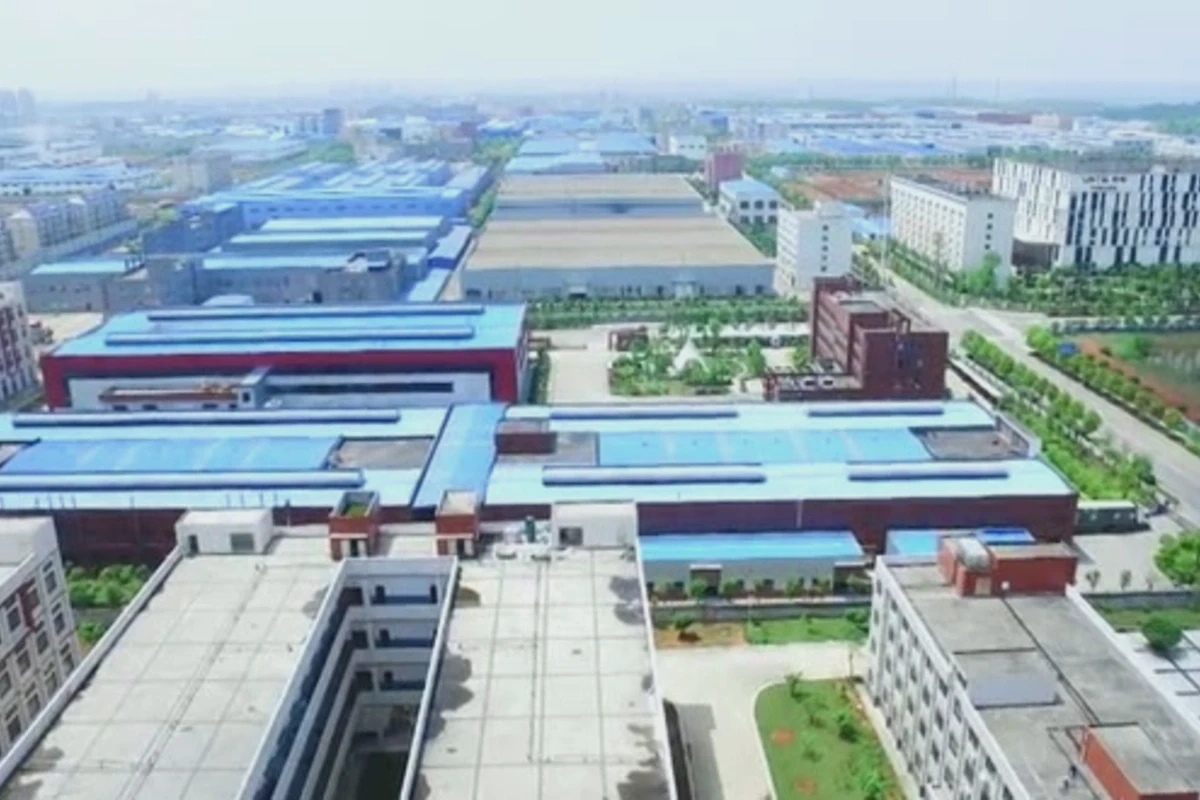
Laboratory and quality control
Xingcheng Graphite: material research and manufacturing
The case moves from laboratory work to production and quality management. Use that sequence to plan how a material sample and its inspection enter the film.
View the full case: Xingcheng Graphite: material research and manufacturingTurn the reference into your project brief
Bring one publishable process with its input, operation, check and output. Confirm the production window and responsible operator. These projects are production references; the location and conditions of your shoot are agreed separately.
What to confirm before the project starts
Can we discuss video production before the full script is ready?
Yes. Bring the factory and equipment, target audience, and use case. We will use the process that genuinely runs on the production floor to shape the brief, creative direction, and source-material list.
How can we reduce repeated approvals around site organization?
Confirm equipment status, crew routes, and safety clearance at the script and shot-list stage. Assign one project owner to consolidate feedback and separate new requests from the approved scope.
What should be confirmed when B2B deliverables are handed over?
Confirm the master, cutdowns, aspect ratios, languages, subtitles, audio, rights records, and archive owner so every version fits overseas sales, factory audits, and sales demonstrations.
From brief to delivery, we first define the central job of the factory and equipment, then plan the shoot around site organization and the B2B deliverables so production resources serve the final use case.
Bring the process flow, equipment condition, and accessible areas. We will walk through one real process first and set the footage, schedule, and safety boundary.
