Dongguan Manufacturing Video: Turn One Process into a Clear Decision
A manufacturing video for overseas buyers cannot rely on drone shots and rows of equipment to suggest scale. Show the input, coordination, and output of one process, then connect the company story back to real production.
On-site production file
Information / Conditions / Footage- Product information
- Project brief
The manufacturing video plans creative and shots around production capability, site coordination, and overseas B2B communication. Sample status, filming conditions, and final uses are confirmed together before production.
Equipment status, crew movement, and safety clearance are designed around the current sample, parameter documents, interface version, and actual demonstration.
- Site conditions
- Project brief
The manufacturing video plans creative and shots around production capability, site coordination, and overseas B2B communication. Sample status, filming conditions, and final uses are confirmed together before production.
Equipment status, crew movement, and safety clearance are designed around the current sample, parameter documents, interface version, and actual demonstration.
- Available footage
- Shot design
Show the real actions through which manufacturing capability operates on the production floor.
Use site coordination to explain the conditions behind equipment status, crew routes, and safety clearance.
The short answer
Design real demonstrations, details, and supporting footage around manufacturing capability so product information is easier to understand.
Turn core selling points into specific footage
- Common communication mistake
Put manufacturing capability into a process the customer can understand
Overseas buyers may not know internal factory terminology, but they can understand how a product moves from material to a deliverable state. Select the processes most relevant to a partnership decision and build the story with clear inputs, coordination, and outputs. Dense equipment montages should not substitute for explaining real capability.
- Product information
Human coordination is part of manufacturing
Engineers adjust parameters, operators follow standards, and quality staff inspect the result. These relationships explain the organization better than a staged meeting. Film each person performing a real task within the normal working rhythm. What they say must be supported by their experience and approved facts.
- Product demonstration
Site coordination protects the steps that cannot be repeated
Changeovers, heating, clamping, or moving large materials may happen only during a narrow window and cannot be recreated on demand. The production plan positions cameras and people around the factory schedule. Interviews and atmosphere footage fit around the critical window instead of disrupting normal operations for an empty shot.
- Site conditions
Make process differences visible through detail
If precision, stability, or consistency exists only as narration, a technical buyer cannot check it. Find filmable operating steps, surface conditions, and inspection actions, and retain their conditions in context. Macro footage and graphics support observation without inventing causality that the eye cannot verify.
- Delivery versions
Keep professional discipline in overseas B2B communication
A sales cut needs to introduce the partnership quickly; a technical page needs a fuller process and data provenance. Versions may change the depth of explanation and the language style, while model names, terminology, and applicable conditions stay under the same source control. Someone who understands the business checks the meaning after translation.
- Sample preparation
Work backward from one recent sales enquiry
Start with a representative customer enquiry and identify whether the buyer is checking capability, quality, or delivery coordination. Follow that question into the factory, find the people and processes that can answer it, then design the main film and supporting assets. Every shot gains a real business destination.
Turn product selling points into specific shots
- Shot design
Show the real actions through which manufacturing capability operates on the production floor.
Use site coordination to explain the conditions behind equipment status, crew routes, and safety clearance.
For overseas B2B, factory-audit, and sales-demo use, keep the complete product explanation and applicable conditions.
Put samples, locations, safety, and permissions into the plan early.
- Project brief
The manufacturing video plans creative and shots around production capability, site coordination, and overseas B2B communication. Sample status, filming conditions, and final uses are confirmed together before production.
Equipment status, crew movement, and safety clearance are designed around the current sample, parameter documents, interface version, and actual demonstration.
Published projects and production references
Connect the factory story with the business it serves
A manufacturing film needs a clear relationship between research, production and product use. These projects help compare a broad corporate narrative with a more focused material-development story.
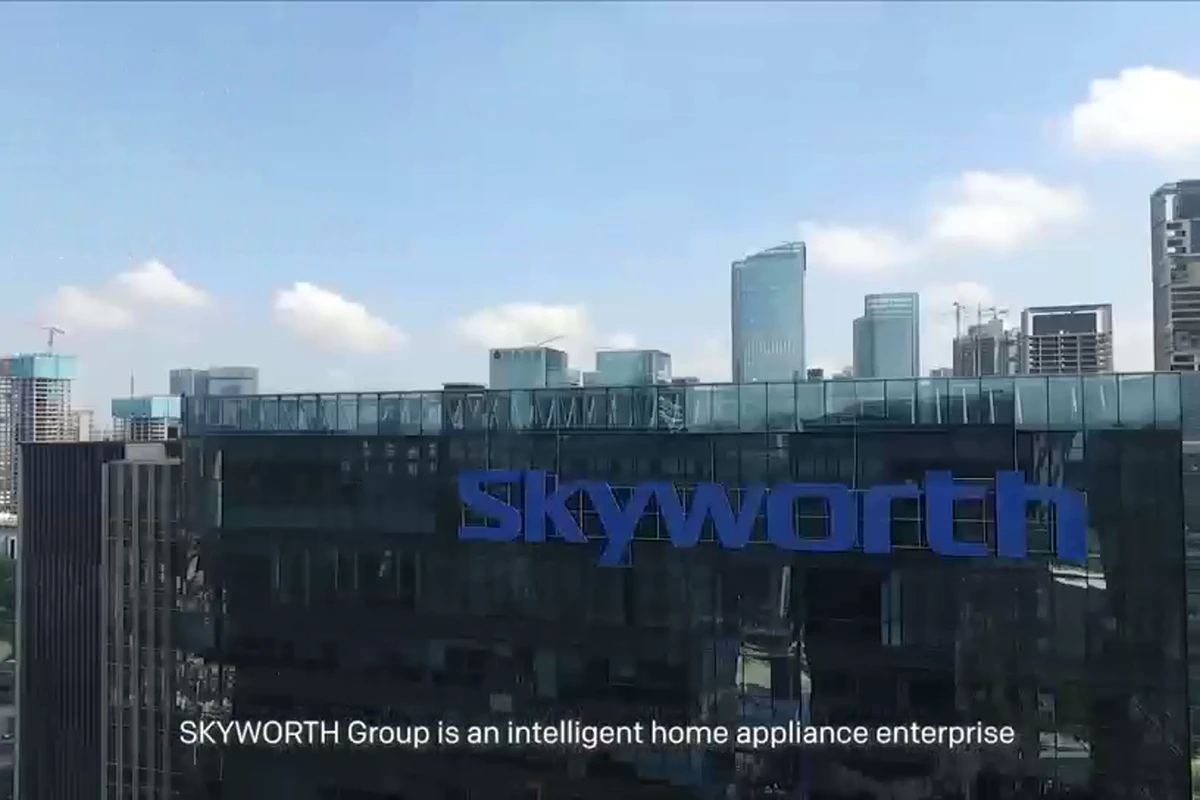
Corporate narrative
SKYWORTH Group: manufacturing and global supply chains
The published film connects headquarters and appliance production with products and supply-chain maps. Use it to plan how places and product destinations explain the business.
View the full case: SKYWORTH Group: manufacturing and global supply chains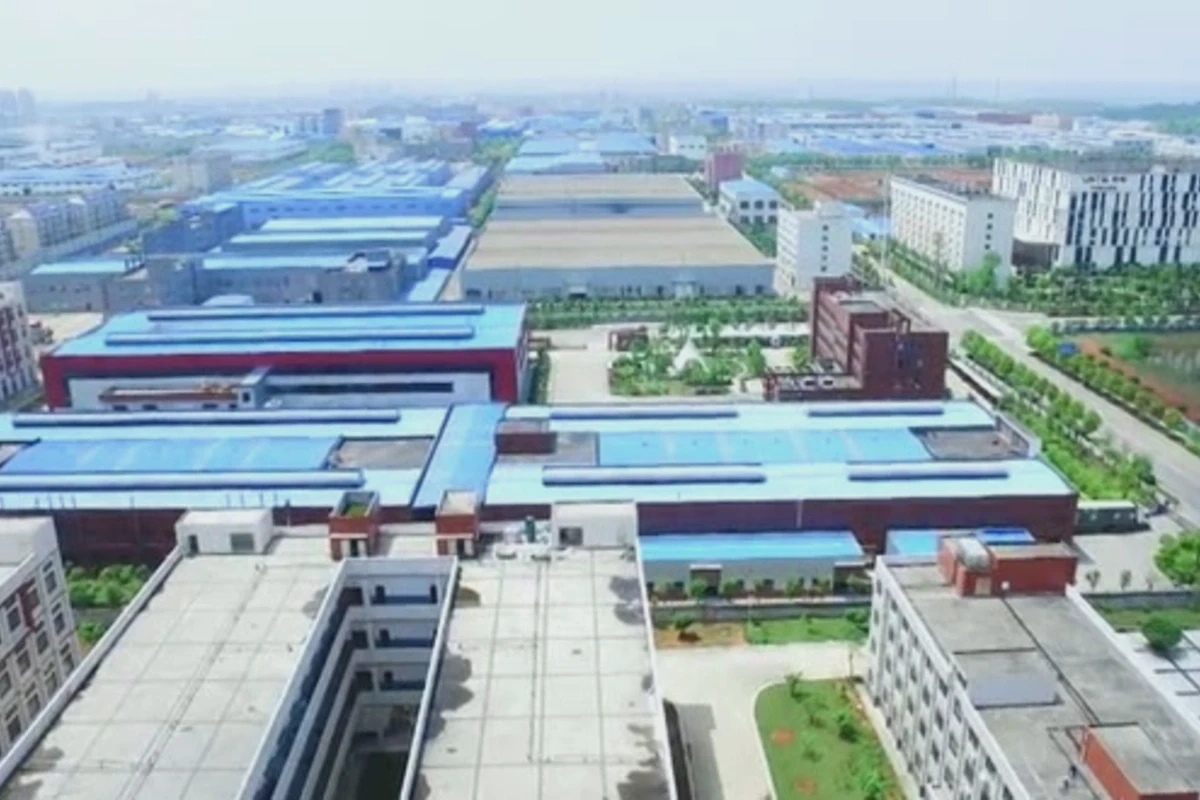
Material manufacturing
Xingcheng Graphite: research, testing and production
The case connects laboratory samples and instruments with production and quality-management scenes. Use it to decide how an inspection action supports the process explanation.
View the full case: Xingcheng Graphite: research, testing and productionTurn the reference into your project brief
Separate your source material into research, production, inspection and application. Select the buyer question that deserves the most detail. These films provide narrative references, rather than evidence of your own production capacity or quality metrics.
What to confirm before the project starts
What should be prepared for a manufacturing video?
Prepare the actual sample, manufacturing capability information, use cases, and an owner who can confirm equipment conditions, crew routes, and safety clearance.
Does site coordination always need 3D animation?
No. First test whether real actions, close-ups, or interface recordings make the working process understandable. Use animation only for structures and processes that cannot be filmed directly.
How do we avoid overstating product performance in overseas B2B communication?
Base product claims on the current sample, approved brand information, and actual demonstrations. In particular, avoid making the factory look grand while leaving the critical process unseen.
We turn manufacturing capability into specific demonstrations, make site coordination clear on screen, and then align the visual system and delivery versions.
Bring one product demonstration that failed before. We will replay it on a small scale with a use-case card and identify the evidence that is still missing.
