Dongguan Smart Hardware and Industrial Equipment Video Solutions: Three Tasks from Factory Floor to Overseas Communication
These projects must explain manufacturing conditions, product operation and buyer application value at the same time. A fast equipment edit cannot deliver all three explanations alone. Factory footage, functional testing and versioned content are assigned to different audiences, while the main film and sales materials share the same set of facts.
On-site shooting dossier
Information / Conditions / Footage- Product information
- Project Brief
The smart hardware and industrial equipment video will develop concepts and shots around the factory and equipment, functional testing and overseas B2B planning; sample status, shooting conditions and final use will be confirmed together before filming begins.
Equipment status, personnel routes and safety clearances will be planned around the current sample, parameter documentation, interface version and actual demonstration.
- On-site conditions
- Project Brief
The smart hardware and industrial equipment video will develop concepts and shots around the factory and equipment, functional testing and overseas B2B planning; sample status, shooting conditions and final use will be confirmed together before filming begins.
Equipment status, personnel routes and safety clearances will be planned around the current sample, parameter documentation, interface version and actual demonstration.
- Footage opportunities
- Shot expression
Capture the real actions of the factory and equipment at process points that are genuinely operating on the production floor
Use functional testing to explain the applicable conditions for equipment status, personnel routes and safety clearances
In brief
Design authentic demonstrations, close-ups and supporting footage around the factory and equipment to make product information easier to understand.
How to turn core selling points into concrete footage
- Common communication pitfall
Keep the equipment response within the complete workflow
Smart hardware and industrial equipment often span the machine body, control interface and factory environment. When these are filmed separately, external customers find it difficult to reconstruct the cause-and-effect relationship. The film selects one real task, from personnel input to equipment operation and then result reading, so overseas B2B viewers can form their own judgment throughout the process.
- Product information
Equipment facts come with prototype and material conditions
Load, speed, accuracy and recognition performance are all affected by the model, settings and test object. Engineering staff provide the current approved public wording, while the footage preserves the relationship between the device and its readings; one demonstration explains only the observed state and is not expanded through marketing language into a promise for all environments.
- Functional demonstration
Address safety and production coordination first on the factory floor
Large equipment cannot always be reset, and filming equipment may also affect personnel routes. Location scouting confirms power supply, noise, protected areas, shutdown windows and material replenishment, scheduling steps that cannot be repeated during the most reliable time window and completing other shots flexibly around normal production.
- On-site conditions
Open up complex structures progressively through shot scale
The wide shot first explains which process the equipment is part of, the medium shot follows the operation, and the detail shot then presents component movement and feedback. Verified graphics supplement internal relationships that cannot be seen. The visual explanation does not omit the conditions that make performance possible, and it does not present an illustration as a measured test.
- Delivery versions
Create overseas materials for business and technical roles
Trade-show audiences need to understand the use case quickly, procurement focuses on delivery reliability, and engineering teams will ask about parameters and interfaces. Materials developed from the same task can vary in depth, with terminology, units and subtitles reviewed by the appropriate people. Every version can be traced back to the same product documentation.
- Sample preparation
Reuse pathways for equipment footage
Whether one set of equipment footage can be reused depends on whether the model status, material conditions and process relationships remain consistent. The main film retains the complete operation, sales features extract the points customers care about, and short versions compress only the depth of explanation without rewriting the result. Every derivative file can be traced back to the original records and approved wording.
Turn product selling points into concrete shots
- Shot expression
Capture the real actions of the factory and equipment at process points that are genuinely operating on the production floor
Use functional testing to explain the applicable conditions for equipment status, personnel routes and safety clearances
For overseas B2B use, factory audits and sales demonstrations, retain the complete product explanation and scope of application
Write samples, locations, safety and clearances into the plan in advance
- Project Brief
The smart hardware and industrial equipment video will develop concepts and shots around the factory and equipment, functional testing and overseas B2B planning; sample status, shooting conditions and final use will be confirmed together before filming begins.
Equipment status, personnel routes and safety clearances will be planned around the current sample, parameter documentation, interface version and actual demonstration.
Published projects and production references
Show the action and the hardware response together
Hardware films need a visible relationship between an operator, a device and its response. A hands-on phone film and an XR research film offer two different planning references.
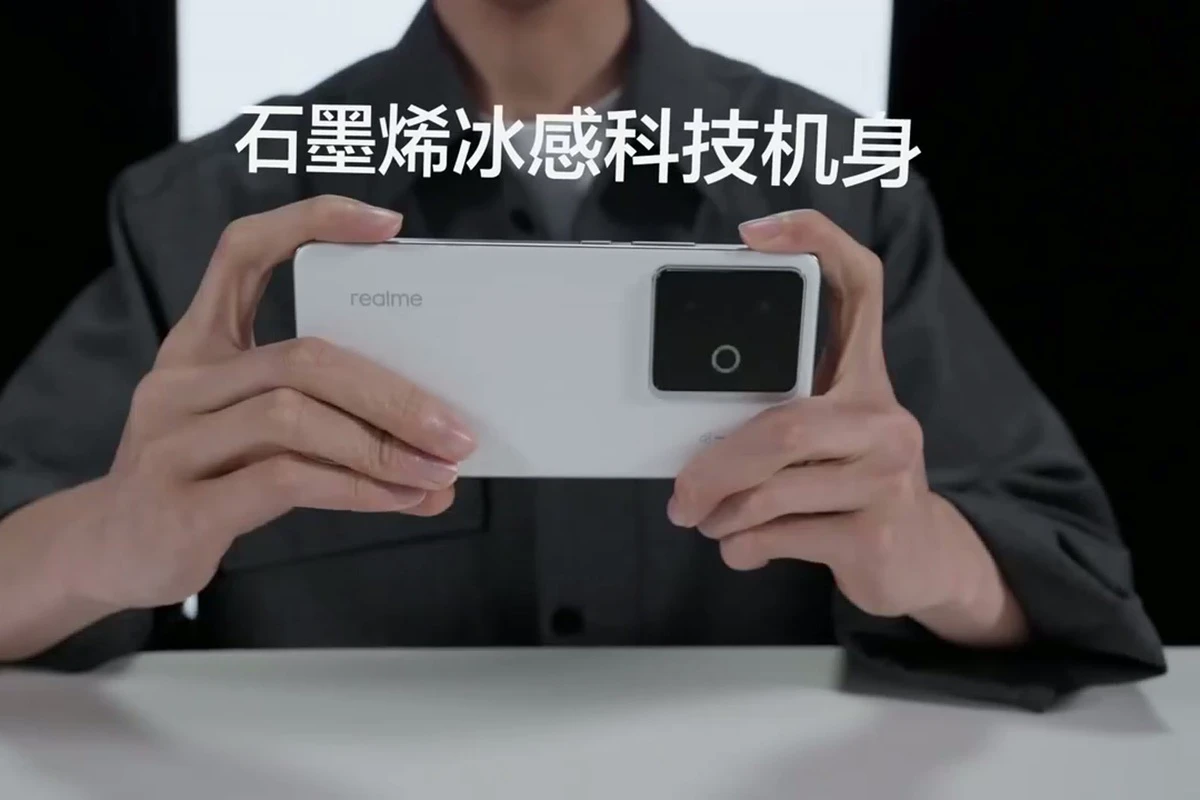
Use and response
realme GT7: hands-on phone demonstration
The published case moves from unboxing and material details to unlocking, handling and a game interface. Use it to plan how hand movements introduce product information.
View the full case: realme GT7: hands-on phone demonstration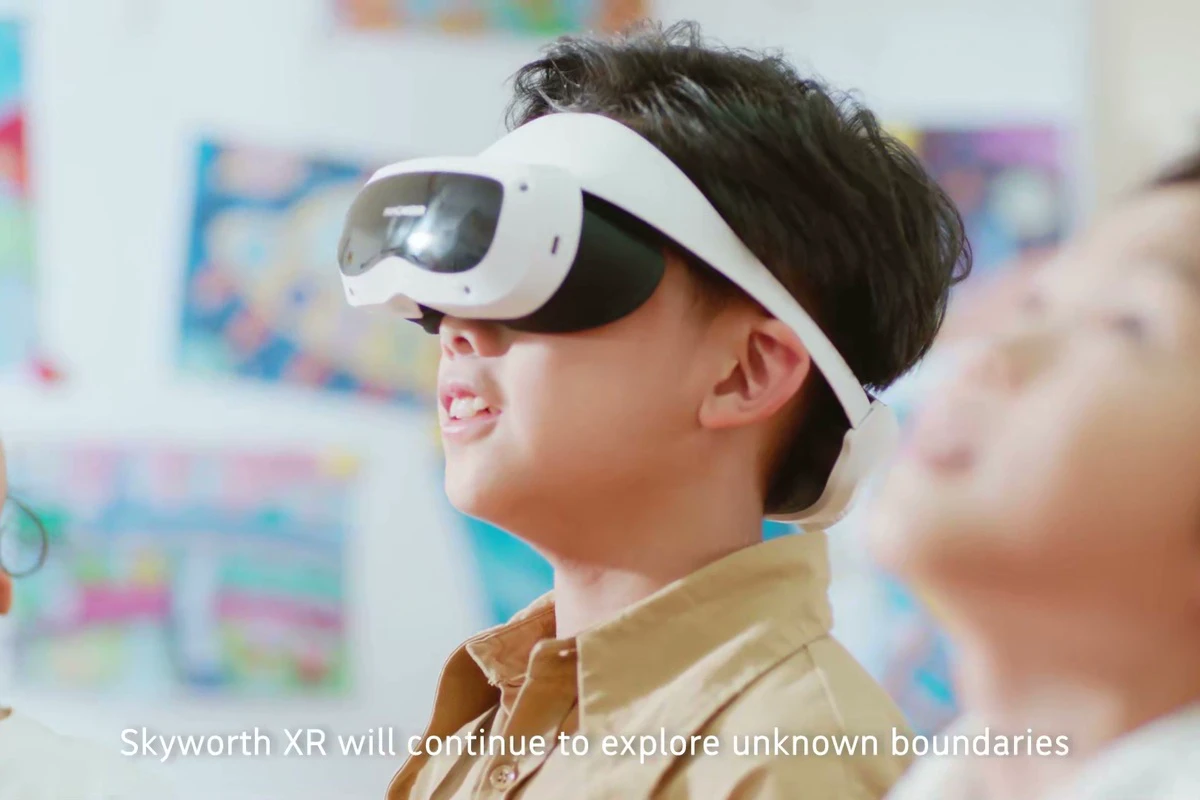
Research and testing
PANCAKEXR: optical research and interaction
The case connects research teams and optical hardware with testing and headset experiences. Use it to plan shots that keep the operator, equipment and visible response connected.
View the full case: PANCAKEXR: optical research and interactionTurn the reference into your project brief
Prepare one repeatable demonstration with setup conditions, action steps and visible feedback. Test it before deciding on detail shots and interface capture. Performance statements use the approved information for your own product.
What is usually confirmed before project kickoff
What needs to be prepared first for a smart hardware and industrial equipment video?
Prepare real samples, factory and equipment documentation, use cases, and a person who can confirm equipment status, personnel routes and safety clearances.
Does functional testing always need 3D animation to explain it?
Not necessarily. First determine whether real actions, close-ups or interface recordings can make the process point that is genuinely operating on the production floor understandable; animation can then support structures and processes that cannot be filmed directly.
How can exaggerated product claims be avoided in overseas B2B communication?
Product wording should be based on the current sample, brand-approved documentation and actual demonstration, especially avoiding a situation where the factory is filmed on a grand scale while the key process remains unseen.
We will turn the factory and equipment into concrete demonstrations, make functional testing clear on screen, and then unify the visual style and delivery versions.
Point out the product action that is hardest to repeat, and we will use the capability review chart to arrange the safety conditions, reset time and key camera positions first.
