A large commercial budget does not automatically create a strong sense of brand. Equipment, locations, talent and post-production can all be expensive, but if viewers cannot quickly grasp the creative focus, the finished film can still feel like a collection of polished yet disconnected images.
What truly determines the finish is whether the budget serves one communication goal: what should viewers remember, why should they believe it, and what judgment should they make after watching? The checklist below gives brands, agencies and production teams a shared review framework for scripting, shooting and delivery.
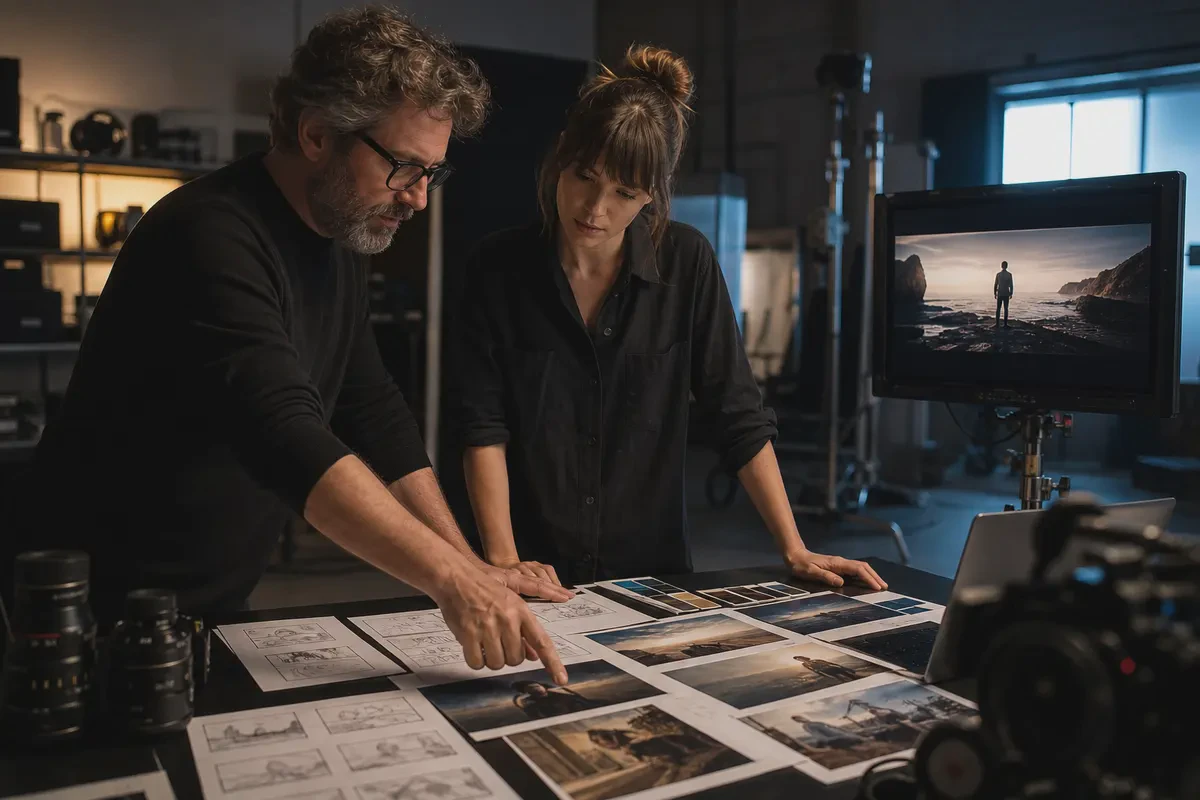
Where the budget goes is not necessarily what viewers remember
Common ways a high-budget project loses focus include: numerous locations with none capable of carrying the brand’s character; complex camera moves that do not help viewers see the product; a strong cast with no clear relationship between people and product; and rich post-production effects that do not reinforce the main benefit. There is nothing wrong with any individual budget line; the question is whether they all point to the same memorable idea.
At project approval, start by writing one sentence: “What should viewers remember after watching?” If the team cannot agree, it is too early to expand the shot list or production scale. Establish one primary message first, then decide which costs directly improve its credibility and recognisability.
Align the creative direction before discussing beautiful shots
A creative direction should answer the target audience, use context, brand emotion and desired action at the same time. When a product has many benefits, distinguish the primary benefit, supporting evidence and secondary information that can be left for later content. A hero film is not a product brochure. Giving every message equal weight usually means none of them stands out.
For projects that need to build brand memory, refer to ONCE’s commercial-film budget and brand-memory planning method and place the budget first on the scene that best represents the brand. If the project is more focused on long-term brand building, combine it with brand-video hero-shot planning to define visual assets that belong only to the brand.
Turn the script into a production checklist that can be reviewed
A script review should not only discuss whether the story flows. It should also make clear what each key shot is responsible for. For every hero shot, record four things: the central message it conveys, visible evidence that supports that message, brand elements that must remain, and a fallback plan if the shot fails. This prevents a set from delivering something merely “beautiful” while missing the product action, material detail or brand recognition.
Once the storyboard is confirmed, art direction, wardrobe, performance, camera, lighting, sound and post-production references should be tied to the same direction. Whenever a department proposes a new element, ask whether it strengthens the primary message or merely adds visual complexity.
A premium feel comes from unity between image and sound
A premium feel is rarely created by one expensive shot. If spatial materials, performer presence, lens choice, movement speed, colour contrast, sound texture and editing rhythm conflict with one another, viewers may notice the production effort yet struggle to form a stable impression of the brand.
During on-set monitoring, check whether the product is clear, the performer is believable, the background competes for attention and continuity holds within the same scene. In post-production, use locked colour references, sound standards and subtitle rules so that grading, music and graphics do not each chase their own effect and break the shared direction apart.
Use a reviewable framework to assess whether the idea works
Google and Ipsos summarise the YouTube ABCD creative framework through four dimensions: attention, branding, connection and direction. It is not a formula that replaces creativity, but it is useful when reviewing storyboards and finished films: does the opening establish interest quickly, is the brand naturally recognisable, is the content relevant to the audience, and does the ending give clear direction?
Before formal release, the team should also run small version tests, such as comparing different openings, information orders or runtimes, instead of waiting until launch data is available to explain a creative problem. Change only one key variable in each version so it is easier to understand what caused the difference.
Delivery review must cover multiple platforms and safe areas
When the same commercial enters landscape, portrait and square environments, the relative positions of people, products, subtitles and brand marks all change. Google Ads’ video specifications and safe-area guidance lists different aspect ratios and recommended resolutions, and reminds creators to leave space for platform overlays.
The delivery checklist should therefore include the hero film, short edits, portrait or square versions, a clean version without subtitles, subtitle and font files, music and asset-rights records, plus opening-frame, end-card and safe-area checks for every version. Multiple versions should not be a mechanical crop after shooting; the storyboard should reserve composition for the core message from the start.
When choosing a production team, examine how it makes trade-offs
Equipment lists and quotations can show the scale of available resources, but they cannot replace judgment. What matters more is whether the team can identify which information should be removed, which images must remain, which risks need to be tested before shooting, and what standard will prove that the finished film has achieved the brand objective.
When creative direction, production execution and delivery review all work around the same memorable idea, the budget becomes brand value that viewers can perceive instead of scale that exists only in behind-the-scenes footage.