An AI video workflow still needs a clear brief, named reviewers and a usable handoff. For a brand team, the practical starting point is to identify what the audience should understand and who can approve the facts and images used to explain it.
Start with the audience decision and verified product facts
Convert that audience decision into a shot task and an approved version. Keep confirmed product facts separate from ideas or questions that are still open, so the production team can see what it may use and what needs a decision.
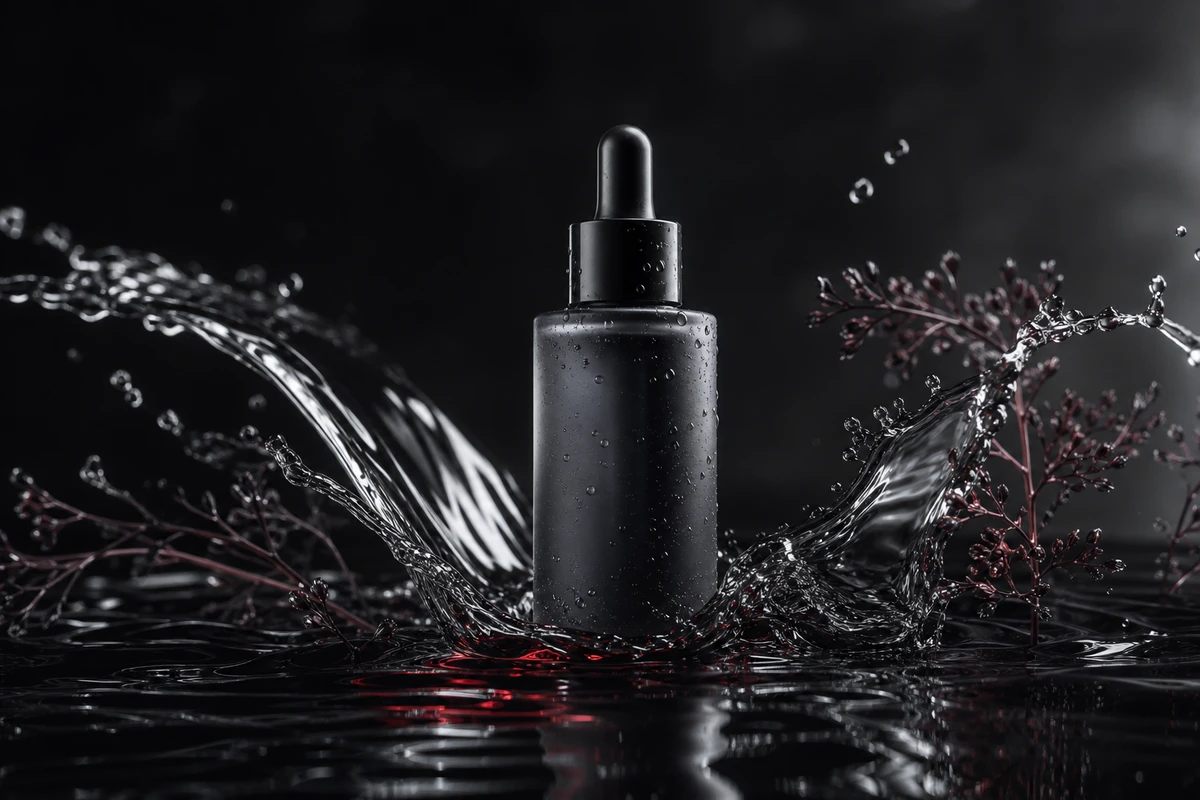
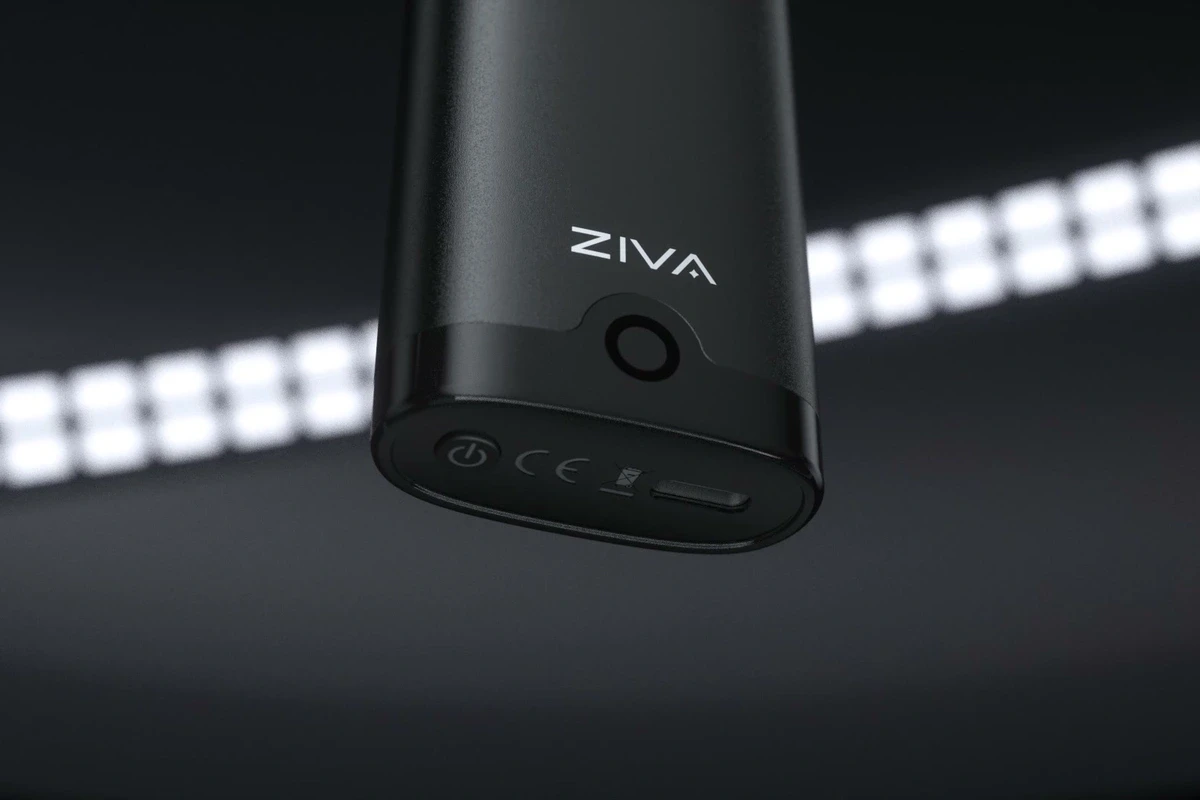
The cover is a frame from an ONCE local case-study video. It illustrates composition and production language; it does not demonstrate platform rules, product performance, client results or cost savings.
Assign an owner to each input and approval
- Input owner. Name the person responsible for supplying the current brief, product facts and input files.
- Approval owner. Identify who can approve the script, shot or version, and the scope of that approval.
- Open questions. Record what remains undecided, who will decide it and when the decision is needed.
- Applicable scope. Keep the intended market and placement with the version so that an approval is not reused without checking where it applies.
- Version record. Retain the affected files, approver and decision for each production or review change.
Review the intended placement before release
A reusable asset system can keep verified product facts consistent while allowing pacing and composition to change for different placements. The review should identify which elements must remain accurate and which may be adapted.
Check requirements for the intended territory, account, category and release date against the current official source. Record who will resolve any open requirement before the affected version is released.
Keep changes attached to a shot and version
During production and review, record the responsible owner, affected shot, version and approver for each change. Keep the decision with the work it changes, so the next reviewer can understand the current version.
An unresolved point needs a named decision-maker and a decision date. Mark which version it affects rather than leaving it as an unassigned comment.
Deliver assets another colleague can use
At delivery, retain the input files, approved assets, version information and applicable scope. The next production, media or operations colleague should be able to identify which files they can continue to use.
Include the remaining open questions and their owners in that handoff. A finished file does not by itself explain what was approved, for which placement, or what still needs a decision.
Assess results separately from process checks
These checks describe how to organise production responsibility and review. They do not establish that an AI workflow has reduced cost or improved performance; those conclusions need evidence from the actual project.
Before discussing a new production, prepare the current page or placement, verified product facts, target market and available assets. Use the same record to identify missing inputs and agree who will supply them.
Bring the brief and approval needs into the production discussion. Explore ONCE's AIGC commercial production service.
Production examples and next steps
Define which images are exploratory and which must preserve a verified product. The AIGC off-road motorcycle concept film is a concept-work reference.
Review AIGC commercial production and Chasing Speed Through the Wild: An AIGC Off-Road Motorcycle Concept Commercial. To discuss your project, send the product references, proposed shots, review criteria and required outputs through the English project enquiry form.