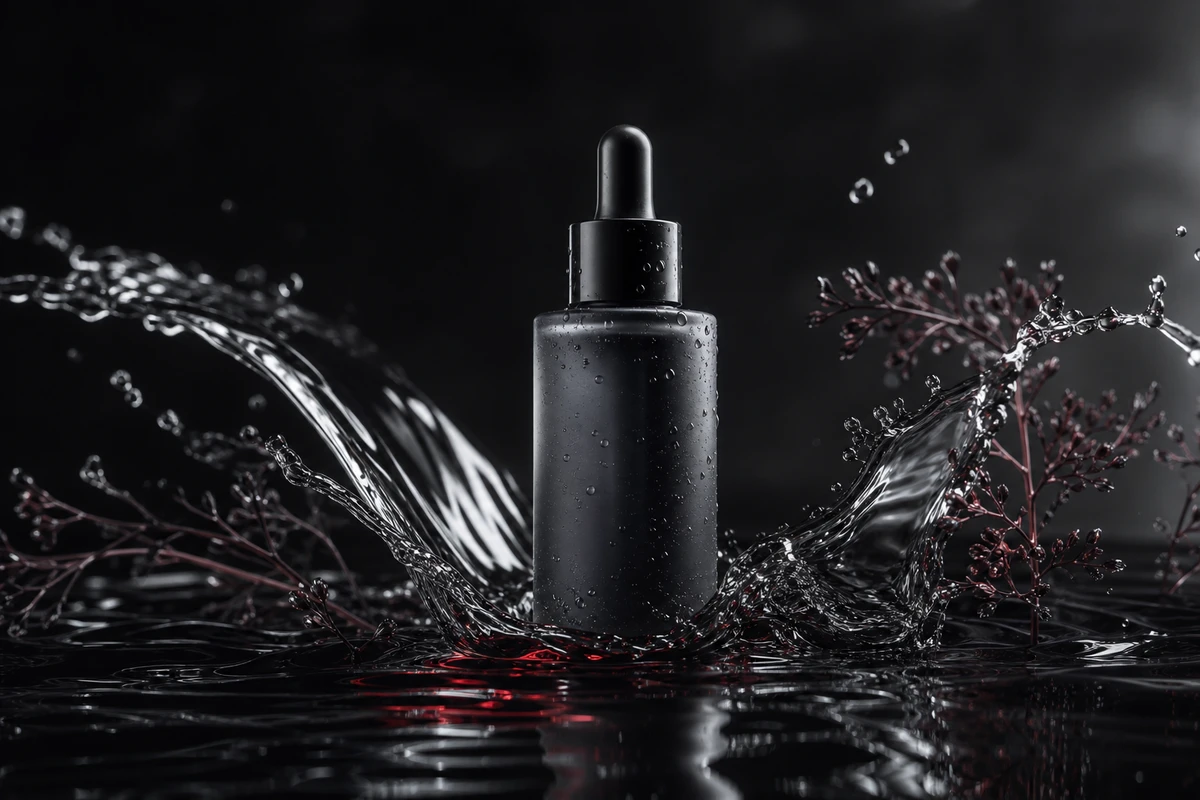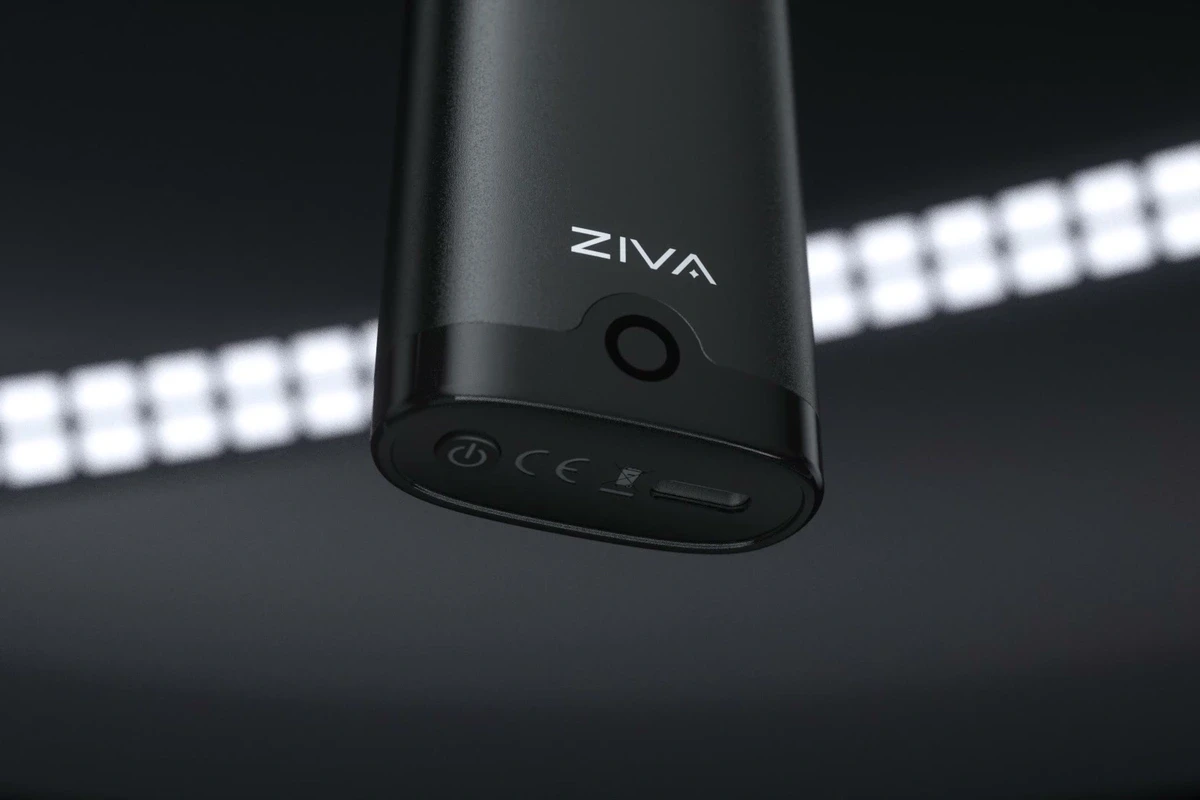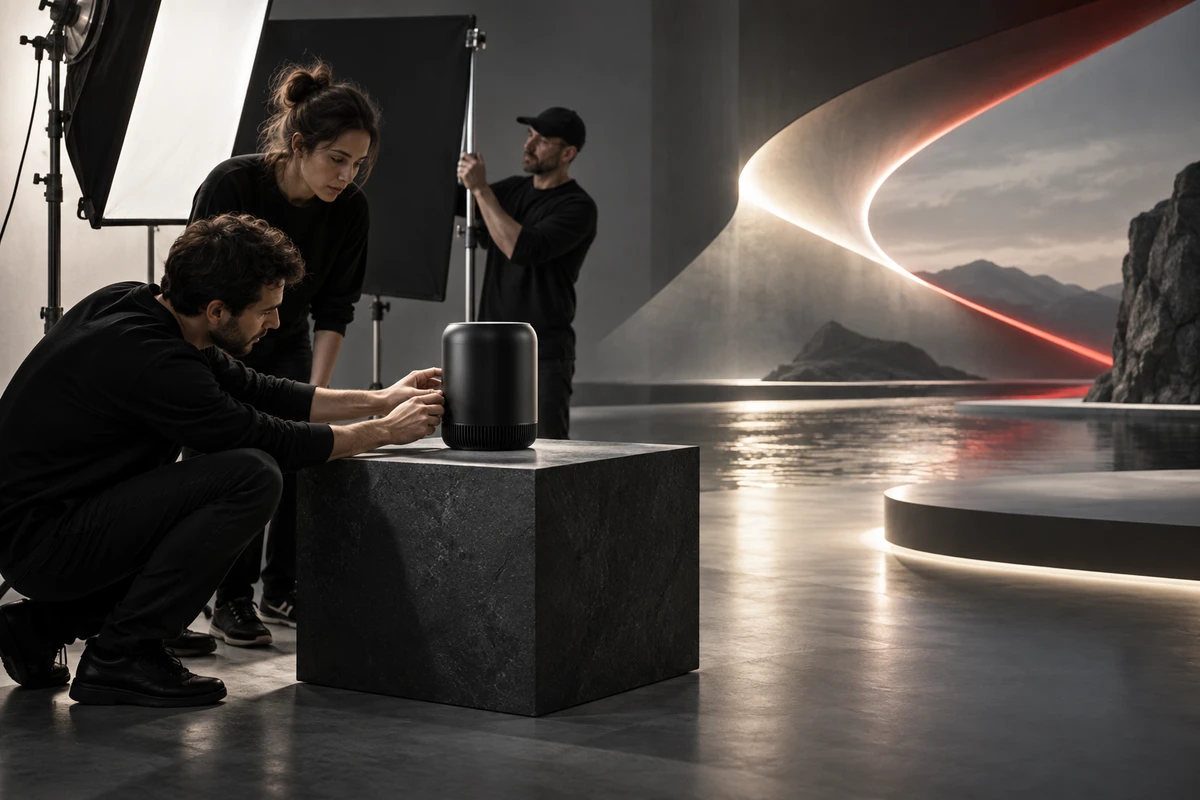
The launch date is fixed, only one working sample is available, and the marketing team still needs a horizontal hero film, vertical cutdowns and versions for several markets. The obvious question is: “Which shots can we give to AI, and can we reduce the live-action shoot?”
The real cost driver is not the percentage of AI-generated footage. It is which images carry product truth. If a shot must persuade a buyer that the product has a specific shape, material, action or performance, it should not be assigned to a model simply because generation is fast. Before writing prompts, split the shot list into three groups: live action, generative and hybrid.
1. If a shot carries product truth, start with live action
Product truth is anything viewers may use to judge the item they will actually receive: proportions, color, surface finish, port locations, button response, screen behavior, box contents, scale in the hand and the mechanics of physical use.
When generation gets one of these details wrong, the problem is not merely aesthetic. The image may create a false expectation. The following shots should usually be anchored in a real product:
- Standard hero shots: where silhouette, color, material, finish and brand identity must be accurate.
- Functional interactions: opening, connecting, wearing, folding, charging, installing or any action with a precise physical relationship.
- Specifications and performance: when the image supports a claim about dimensions, speed, battery life, protection or test results.
- E-commerce decision shots: product-page, crowdfunding or marketplace footage that directly shapes purchase expectations.
AI may still help remove reflections, extend a set, repair frames or support previsualization, but the final image should not redesign the product. A useful test is simple: if a customer could compare the shot with the delivered SKU detail by detail, the shot needs a dependable physical source.
2. If a shot carries emotion or imagination, generation has more room
AI is valuable not only because it can avoid a physical build. It allows a team to explore visual spaces that would be expensive or impossible to shoot but do not make a literal product promise: abstract energy, extreme scale, conceptual cities, microscopic material worlds, impossible transitions and multiple environmental versions built around one idea.
The condition is that viewers can understand the image as an expression, not a demonstration of functionality. Headphones moving through a stylized sound field may read as a metaphor. The same headphones operating underwater may be interpreted as a waterproofing claim. The technical difference between the shots may be small; the commercial risk is not.
A generative brief therefore needs more than a style reference. It should define:
- which product structures and brand elements may never change;
- which images are metaphors and cannot support a performance claim;
- whether a person, location or event could be mistaken for something real; and
- which platforms and territories may require synthetic-content disclosure.
3. Most product campaigns benefit from a hybrid workflow
Hybrid production is not simply “shoot half and generate half.” Live-action material is responsible for credibility; AI expands space, creates transitions and makes versioning more flexible.
A dependable workflow begins by filming clean product turnarounds, approved angles, real operations, hand interactions and material close-ups. Those assets can then support keying, set extension, conceptual environments and transitions. The product keeps its identity while the surrounding world gains creative range.
The shoot also has to anticipate post-production. Clean edges, controlled reflections, actions with usable start and end points, recorded camera data and repeatable lighting all affect compositing. If the crew captures only finished-looking beauty shots but no clean plates, reference passes or isolated product elements, the AI stage may spend more time repairing product structure than creating value.
For brands producing many variations, each shot should have a small identity record: physical source, model or tool used, permitted changes, target platform, territory and approval status. Version discipline matters more than adding “final” to another filename.
AI may not reduce the budget. It moves the budget.
Traditional production concentrates spending in sets, art direction, equipment, crew and shoot days. AI commercial production moves part of that investment into visual development, source preparation, generation passes, compositing, product validation and version control.
If the industrial design is still changing, the film contains extensive physical interaction, or the approval chain is long, fully generated footage may not be efficient. A model may change shape, lighting and motion while solving one local note, forcing the team to rebuild the entire shot. A hybrid workflow becomes more efficient when the product master is stable, generative zones are clearly defined and conceptual shots can be replaced independently.
Before comparing a day rate with a generation fee, ask five questions:
- How many shots must match the real SKU exactly?
- How many contain hands, liquids, cables, screens or complex contact?
- How many markets, aspect ratios and language versions are required?
- Who will review product structure and claims frame by frame?
- If generation fails, is there live-action or 3D material to fall back on?
Those answers describe the total production risk far better than “cost per generated clip.”
Disclosure and rights cannot wait until upload day
As of September 2026, YouTube requires disclosure when realistic content has been meaningfully generated or altered—for example, making a real person appear to say something they did not say or showing a realistic event that did not happen. Minor color work, repair and production assistance such as script development are treated differently. TikTok and Meta also use AI-content labels, but the exact workflow depends on content type, advertising category and territory.
The transparency obligations in Article 50 of the EU AI Act began applying on August 2, 2026, including disclosure duties for deepfake content. The European Commission’s Article 50 guidance makes this a planning issue, not simply a platform setting. For European distribution, the delivery plan should name who adds the disclosure, where it appears and how it carries across edits.
C2PA Content Credentials can store machine-readable provenance about how an asset was created or changed. That provenance is useful, but it does not replace a brand’s review of product accuracy, likeness consent, source licenses or claims.
Rights also need a separate decision. The U.S. Copyright Office’s 2025 report on copyrightability concluded that generative outputs may receive protection only where a human author has determined sufficient expressive elements. Prompts alone are not enough, while human selection, arrangement or substantial modification may contribute protectable authorship. That is a U.S. position, not a universal answer; cross-market campaigns still require review under the relevant contracts and jurisdictions.
End the debate with one shot-routing sheet
Add five fields to every storyboard shot: product fact, production method, permitted variation, disclosure requirement and fallback. The product-fact field states what the image must accurately prove. Production method is limited to live action, generative or hybrid. Permitted variation defines how far the environment, person, color or action may change. Disclosure maps the shot to platform and territory. Fallback explains how the team will deliver if generation is unusable.
The final package should also include clean masters, correctly labeled platform versions, captions, aspect-ratio exports, source licenses, an AI-use log and shot approvals. For the rest of the handoff, use our corporate video final-delivery checklist.
If your product needs both accurate, trustworthy detail and visual worlds that would be difficult to build physically, start with the sample status, key claims, target markets and purpose of each shot. Explore ONCE video production solutions to build a shot-routing plan before deciding what to shoot, generate or combine.
Production examples and next steps
Define which images are exploratory and which must preserve a verified product. The AIGC off-road motorcycle concept film is a concept-work reference.
Review AIGC commercial production and Chasing Speed Through the Wild: An AIGC Off-Road Motorcycle Concept Commercial. To discuss your project, send the product references, proposed shots, review criteria and required outputs through the English project enquiry form.