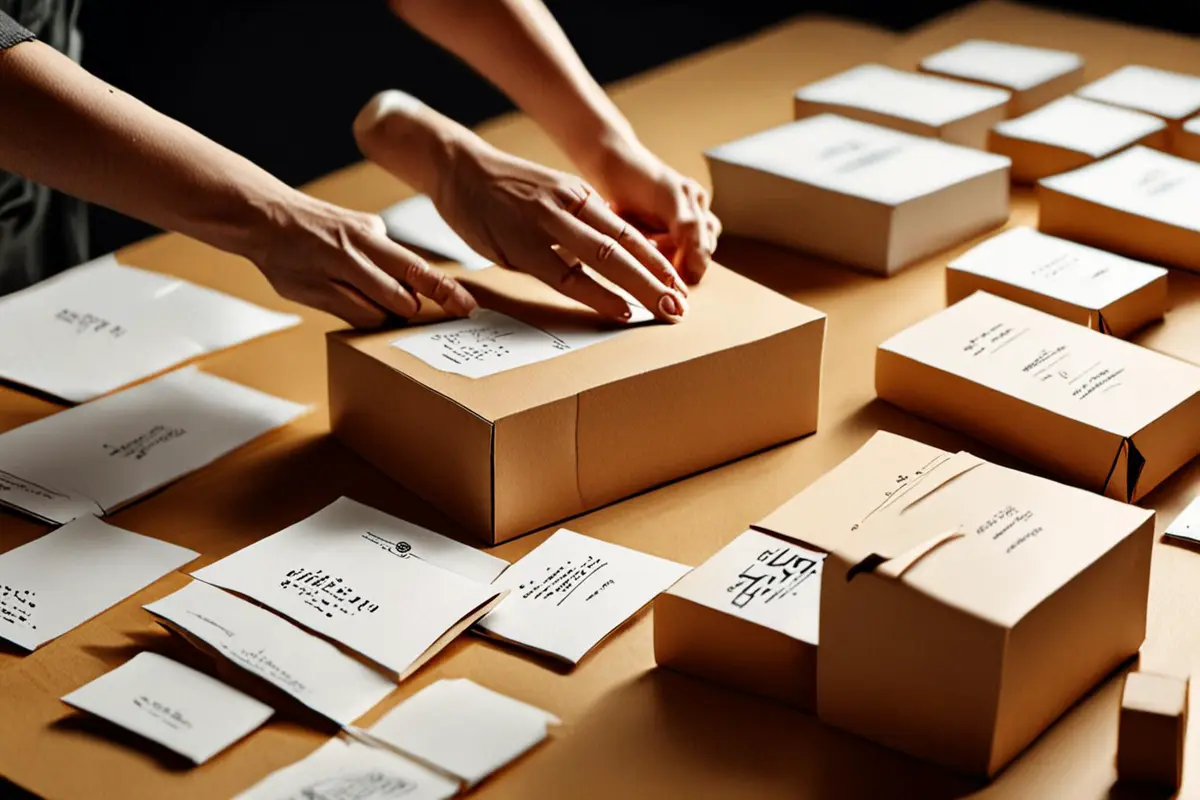
The packaging mockup looks ready: material texture, reflections and a convincing barcode on the back. The creative direction is approved. Can the same image now become the printer’s production artwork?
For a brand developing products with a supplier in China, that handoff needs a more precise answer. A barcode’s appearance, a successful phone scan and an approved physical package are different things. Treating them as one approval can leave important work without an owner.
A successful scan is not the whole test
GS1 New Zealand explains that verification examines both encoded data and the technical correctness of a barcode symbol. A code may contain an incorrectly allocated or formatted GTIN; scanners can also differ in the faults they tolerate. Incorrect data can scan successfully. The article carries an October 25, 2014 version date and was rechecked November 4, 2026—not presented here as a new rule.
GS1’s quality guidance lists factors including quiet zones, contrast, size, height, positioning and packaging condition. Its final-configuration guidance recommends verification as close as possible to the final physical state. Those pages were updated August 30 and August 28, 2024 respectively.
The implication for production is not that every AI-rendered barcode is wrong. It is that image realism alone does not establish identity data or the performance of the printed symbol. The following handoff method is ONCE’s analysis, not a test of any AI tool.
ONCE’s three-stage packaging handoff
| Stage | What can be approved | What is needed next |
|---|---|---|
| Concept image | Visual direction, composition and proposed information layout | Purpose and unverified elements identified clearly |
| Official identification artwork | Confirmed product data, official barcode artwork and layout version | Checks appropriate to the intended specification and production process |
| Physical package | Representative material, printing and applied or formed sample | Required professional verification, with sample and result recorded |
This does not prescribe one certification package for every product. Symbol, market, channel and manufacturing process determine the relevant requirements. It establishes a simpler handoff rule: creative approval does not automatically approve product identity, and a digital check must not silently replace a physical one.
Give functional identification its own owner
Separate the visual concept from information that must remain exact. The creative team develops the look. The brand’s designated data owner confirms the product and approved identification. Artwork and print specialists place the official material into the production process. Generating an image does not confer authority to assign a product identity.
If a concept contains a placeholder, make that status visible in internal records and handoff instructions. Obtain the production symbol from a confirmed source; do not substitute image generation, tracing or sharpening for checking the encoding. A scan that returns a number still needs to be matched to the intended item.
GS1 describes GTINs as product identifiers. Confirm the applicable allocation rules with the appropriate owner. This article does not assign a number from a mockup or offer universal rules for when every product category needs a new one.
The printed package is a separate object
Imagine a personal-care brand preparing a carton with a Chinese packaging supplier. Its AI mockup shows a neat back panel. The actual stock, surface finish, scaling and fold position remain to be confirmed. This is a hypothetical example, not an ONCE customer project.
Keep the official symbol as a controlled artwork element so a creative iteration does not casually stretch, crop or regenerate it. When relevant dimensions, location or manufacturing conditions change, have the responsible specialist decide which checks must be repeated. Use the applicable specification and supply requirements, not a universal size copied from a blog.
If the physical sample has not passed the checks required for its use, lighting and retouching cannot complete that verification. Photography can improve presentation. It cannot certify the data or print quality of the object.
Tell the production crew which sample they have
A shoot may use a concept prop, a print proof or a representative production package. Each can have a legitimate creative role, but the crew and approving brand team need to know which one is present. Record its version, status, allowed use and unresolved details.
A barcode in an atmospheric shot does not necessarily need to serve as an interactive scanning entry point. Do not add that task to every advertisement by default. If a published frame is intended to be scanned, test the actual output size, duration and viewing arrangement separately. That media test does not replace physical-package verification, nor does a verified package establish performance in every video presentation.
For broader shoot preparation, explore ONCE’s product video production guides. The immediate decision here is which approved object and identification file the crew is being asked to represent.
Five work items for a clearer proposal
- Concept exploration, with production confirmations explicitly excluded where they are not supplied.
- Product and identification confirmation, owned by a named brand representative.
- Production artwork, including the relevant version, positioning and manufacturing requirements.
- Physical checking or verification, with the sample, owner, results and untested scope recorded.
- Filming and publication, including a separate scan-interaction test only where that use is intended.
These tasks need owners; they do not all need the same supplier. A quote for “AI packaging images” does not inherently include code allocation, print production, physical verification or approval of a shoot sample.
Across recurring content work, preserve the connection between concept, official identification artwork, packaging version and verification record. It gives future updates a confirmed starting point instead of asking a team to infer product identity from a realistic picture.
Sources and scope
- GS1 New Zealand, Why did my barcode fail verification if it can still be scanned?, version updated October 25, 2014.
- GS1, Barcode quality checks and How GTINs and barcodes work, updated August 30, 2024.
- GS1, Verification and final configuration, updated August 28, 2024.
Rechecked November 4, 2026. The handoff method is ONCE analysis. No barcode testing was performed, and this article does not replace applicable specifications or professional verification.